

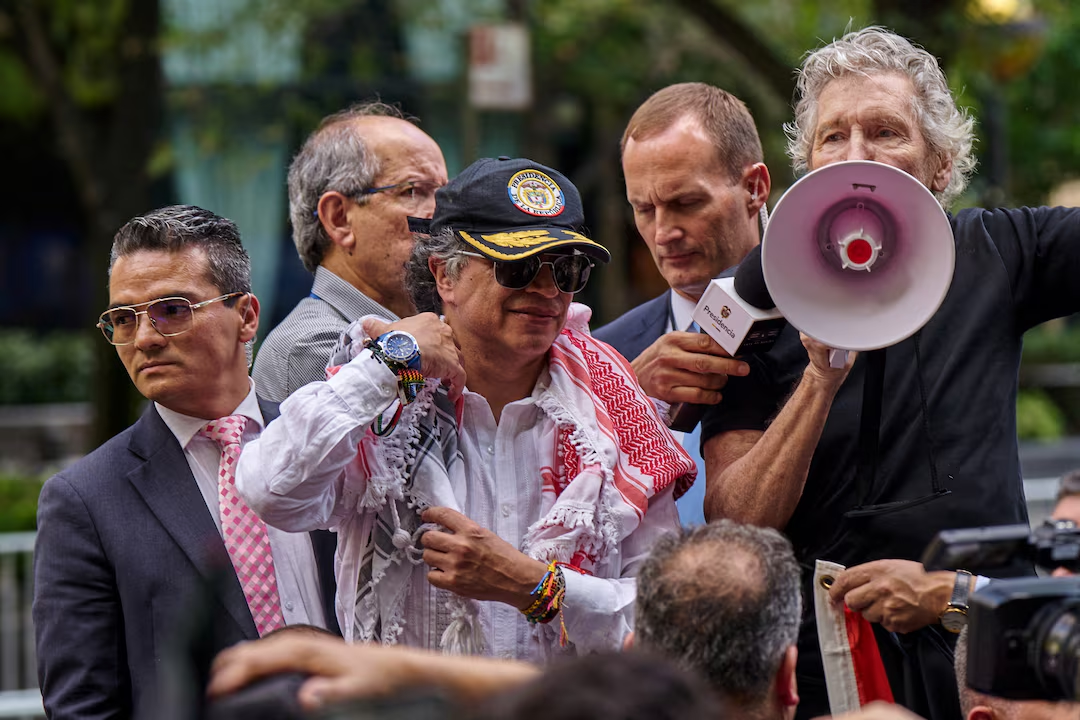
The recent decision by the United States to revoke the visa of Colombia’s President Gustavo Petro has ignited a diplomatic firestorm and strained the fragile ties between the two nations. Petro, known for his outspoken stance on sovereignty and regional independence, responded vehemently to the visa cancellation, accusing the US of political interference and double standards. This controversy underscores the complex and often contentious relationship, highlighting issues of sovereignty, diplomatic protocol, and evolving geopolitical interests.
Background: The Controversial Visa Revocation
The United States, citing unspecified reasons, revoked the visa of President Gustavo Petro, an unusual move considering the diplomatic protocols typically maintained between allied nations. The revocation followed Petro’s recent remarks urging Colombian troops to disobey certain orders from the US, particularly those perceived as attempts to infringe upon Colombia’s sovereignty. The US government’s decision was met with sharp criticism from Petro and his supporters, who viewed this act as a politicized move designed to undermine his leadership and diminish Colombia’s autonomy.
President Petro’s Fiery Response
Public Condemnation and Bold Statements
President Petro did not shy away from expressing his outrage. In a series of outspoken remarks, he accused the US of overreach and interference, explicitly highlighting the sensitive nature of sovereignty. Petro’s comments, including “Your wife, Mr. Trump, or your daughters…”, emphasized his view that the US’s actions were intrusive and personal, suggesting that such measures were unjustified meddling in Colombia’s domestic affairs. Petro maintained that his country would not accept such diplomatic bullying and called for a reevaluation of bilateral relations.
Calls for International Intervention
Petro’s stance extended beyond mere criticism. He called upon international bodies, notably the United Nations, to intervene and advocate for a change in US policy. He suggested that the US’s actions were a violation of diplomatic norms and requested the UN to consider relocating some US military activities outside Colombian territory, emphasizing the need for respect and mutual sovereignty in international relations.
Global and Regional Reactions
- Latin American Perspective: Several regional leaders expressed solidarity with Petro, condemning what they viewed as US overreach. There was a growing chorus of voices advocating for regional autonomy and resistance against perceived US imperialism, with some leaders urging a collective stance to safeguard sovereignty.
- International Community: Diplomatic circles were divided. While some countries echoed Petro’s concerns about sovereignty, others viewed the US’s decision as part of broader national security measures or internal policy adjustments.
- US Government’s Justification: The US officials defended their decision, citing concerns over Petro’s recent statements encouraging defiance of US orders. They argued that such actions threatened diplomatic relations and believed revoking the visa was a necessary step to uphold US interests.
Implications for US-Colombia Relations
This incident marks a pivotal point in the diplomatic relationship between Colombia and the United States. The revocation of Petro’s visa has created an atmosphere of distrust and discord, potentially affecting cooperation on security, economic, and political fronts. It also raises questions about the future of diplomatic etiquette and the limits of political expression between nations that are traditionally regarded as allies.
Furthermore, Petro’s stance and the subsequent US response have sparked debates about sovereignty, diplomatic immunity, and the appropriate boundaries for foreign influence in Latin America. As Petro continues to advocate for regional independence, the possibility of similar confrontations in the future cannot be discounted, potentially reshaping regional geopolitics.
Historical Context and Future Outlook
Historical Precedents
Historically, visa revocations of head-of-state figures are rare and usually reserved for issues involving national security or diplomatic scandals. The current situation with Petro echoes past incidents where diplomatic disputes intensified due to unilateral actions or contentious statements. It underscores the delicate nature of international relations, especially when leadership speeches challenge existing norms or policies.
Possible Outcomes
- Diplomatic Reconciliation: Should there be a mutual effort to de-escalate tensions, negotiations could revive. The US might reconsider its stance, possibly restoring Petro’s visa after diplomatic consultations.
- Enhanced Diplomatic Strain: Alternatively, this may escalate into a broader diplomatic freeze, impacting bilateral cooperation, trade, and regional alliances.
- Regional Repercussions: Strengthened regional alliances could emerge as Latin American countries rally around Petro, fostering a bloc advocating for sovereignty and resistance to US influence.
- International Mediation: International organizations such as the UN could intervene or mediate, attempting to broker a peaceful resolution and uphold diplomatic norms.
Conclusion: A Turning Point in Diplomatic History?
The controversy surrounding Petro’s visa cancellation is more than a bilateral flare-up; it reflects broader themes of sovereignty, international diplomacy, and geopolitical power struggles. Petro’s fierce response demonstrates a shift toward asserting national dignity and independence, even in the face of superpower influence.
The world is watching how this diplomatic standoff unfolds. It could serve as a precedent for other nations seeking to resist external pressures by asserting their sovereignty actively. As Petro continues to challenge US policies, the dynamics of Latin American politics and U.S. foreign policy may experience significant shifts.
In any case, this episode reminds us that diplomacy is fragile, and the language and actions of leaders have profound impacts on international relations. The coming weeks and months will determine whether this dispute leads to diplomatic rapprochement or entrenched hostility, shaping the future landscape of Latin American geopolitics.
For more updated news please keep visiting Hourly Prime News.