

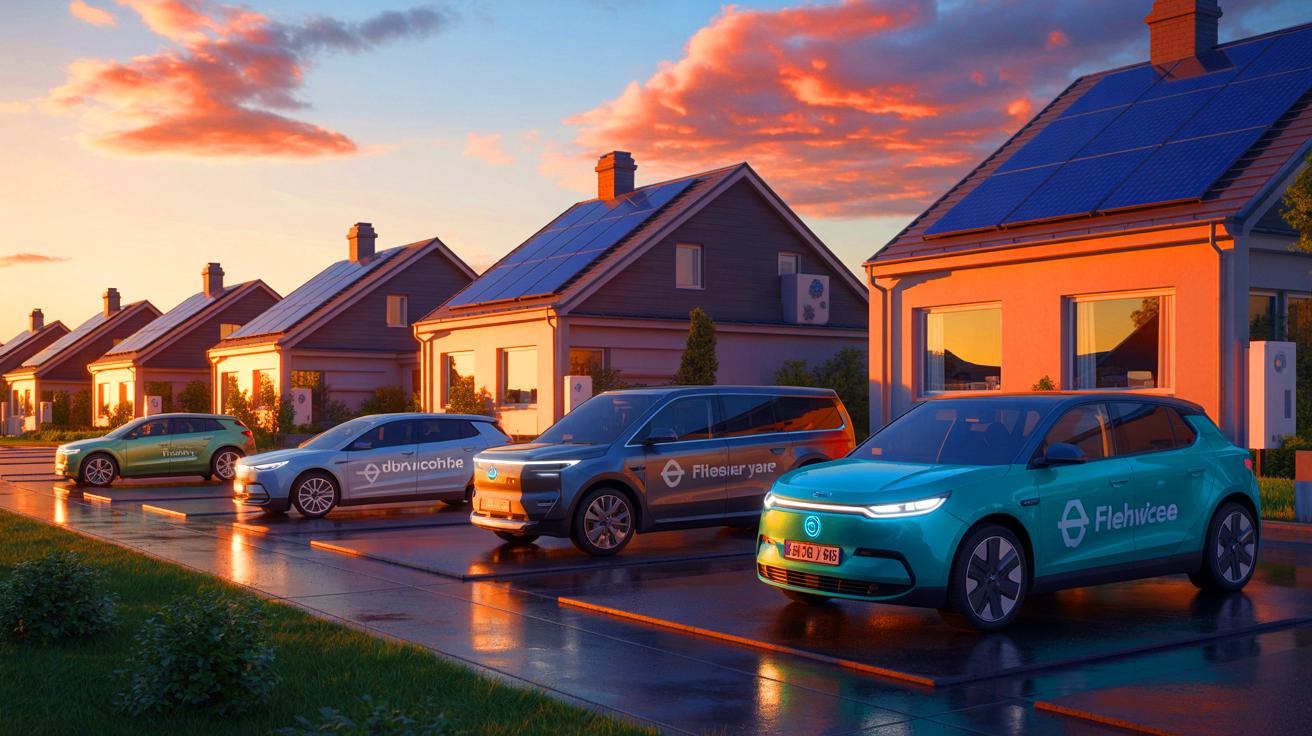
The Growing Concerns Around Forced Energy Usage
In recent times, urban regions across the globe are witnessing increasing pressure to adopt smarter energy solutions, especially through the integration of electric vehicles (EVs) and electric water heaters. While these innovations promise a greener and more efficient future, a growing chorus of citizens and experts argue that the current approaches are more invasive than beneficial.
The Perception of Being Treated Like Machines
Many residents feel that their personal property—be it their parked EVs or their water heaters—has become a resource to be hijacked without proper consent or adequate compensation. As highlighted in a recent article on Rude Baguette, there’s a palpable sense of frustration among individuals who believe that their vehicles and appliances are being exploited to power urban infrastructure, turning them into mere “machines” for city needs.
One of the core issues revolves around forced participation in energy management systems, where utilities or city authorities control or influence the operation of parked EVs and water heaters, pushing the burden of peak demand on individual users. This approach, while aiming to enhance grid stability, often disregards personal convenience and rights, sparking protests and widespread discontent.
The Concept of Electric Vehicles and Water Heaters as Urban Batteries
Turning Cities into “Giant Batteries”
Innovative studies and pilot projects are proposing that EVs and electric water heaters could act as “giant batteries” for cities, helping to balance the grid and reduce reliance on fossil fuels. According to a study cited by Region Canberra, this concept involves leveraging the stored energy in parked EVs and water heaters to supply power during peak demand times, effectively turning entire cities into distributed battery systems.
Similarly, articles on Pearls and Irritations and thefifthestate.com.au elaborate how electrified households can collectively provide significant capacity to the grid. By shifting the operation of water heaters and charging EVs to times of excess renewable energy, cities can cut peak loads and reduce carbon emissions.
However, critics argue that this transition, if enforced without proper dialogue or consumer protection, might result in citizens feeling increasingly like involuntary participants in an energy experiment—exploited for the benefits of urban centers without fair compensation or control.
Implications for Energy Policy and Urban Planning
Balancing Innovation with Citizens’ Rights
Governments and utility companies are increasingly eyeing these technological innovations as part of their sustainability agendas. Yet, the push to integrate EVs and electric water heaters into citywide energy systems raises critical concerns about privacy, property rights, and autonomy.
Some regions, like Canberra, are exploring how to empower residents to become active participants rather than passive consumers. As reported, the idea of citizens’ homes acting as part of a distributed energy reservoir could revolutionize urban energy management, but it must be orchestrated with transparency and fairness.
Instead of a top-down forced adoption, an approach emphasizing informed consent, incentives, and user-friendly control mechanisms could foster more acceptance and trust among city dwellers.
Potential Benefits and Challenges
Advantages of Using EVs and Water Heaters as Grid Resources
- Enhanced Grid Stability: The ability to store and release energy dynamically can prevent blackouts and reduce the need for peaking power plants.
- Reduction in Carbon Emissions: Optimizing the use of renewable energy and reducing reliance on fossil fuels for peak periods.
- Cost Savings: Consumers could benefit from lower energy bills through participation in demand response programs.
- Promoting Renewable Integration: These systems enable higher penetration of intermittent renewables by buffering their variability.
Challenges and Risks
- Privacy and Autonomy Concerns: Forced control over personal assets raises alarms about surveillance and loss of property rights.
- Technical and Infrastructure Barriers: Developing smart grids capable of managing millions of distributed energy resources is complex and expensive.
- Equity and Fairness: Not all residents may want or be able to participate, risking digital divides and unequal treatment.
- Public Opposition: Without transparent communication and incentives, public resistance might undermine policy goals.
Public Response and the Path Forward
The discourse around mandatory participation of EVs and electric water heaters is rapidly intensifying. Citizens demand more control and fair treatment, emphasizing that their property should not be exploited as mere energy assets. Governments and utilities must address these concerns by fostering dialogue, offering fair compensation, and implementing opt-in models.
The technological promise of turning cities into giant batteries is undeniable, but it must not come at the cost of citizen trust. Creating inclusive, transparent, and equitable energy policies will be crucial to harness the potential of these innovations without sparking social unrest.
In essence, the future of urban energy will depend on balancing innovation with individual rights, ensuring that advancements benefit all stakeholders rather than turning people into involuntary energy providers.
Conclusion
The ongoing uproar over forced energy participation highlights the need for a paradigm shift in how cities approach smart energy management. While utilizing EVs and electric water heaters as part of a resilient grid offers valuable benefits, it is imperative to prioritize transparency, consent, and fairness. As cities continue to evolve with technological innovations, fostering public trust and engagement will be key to sustainable and equitable urban development.
For more updated news please keep visiting Hourly Prime News.