

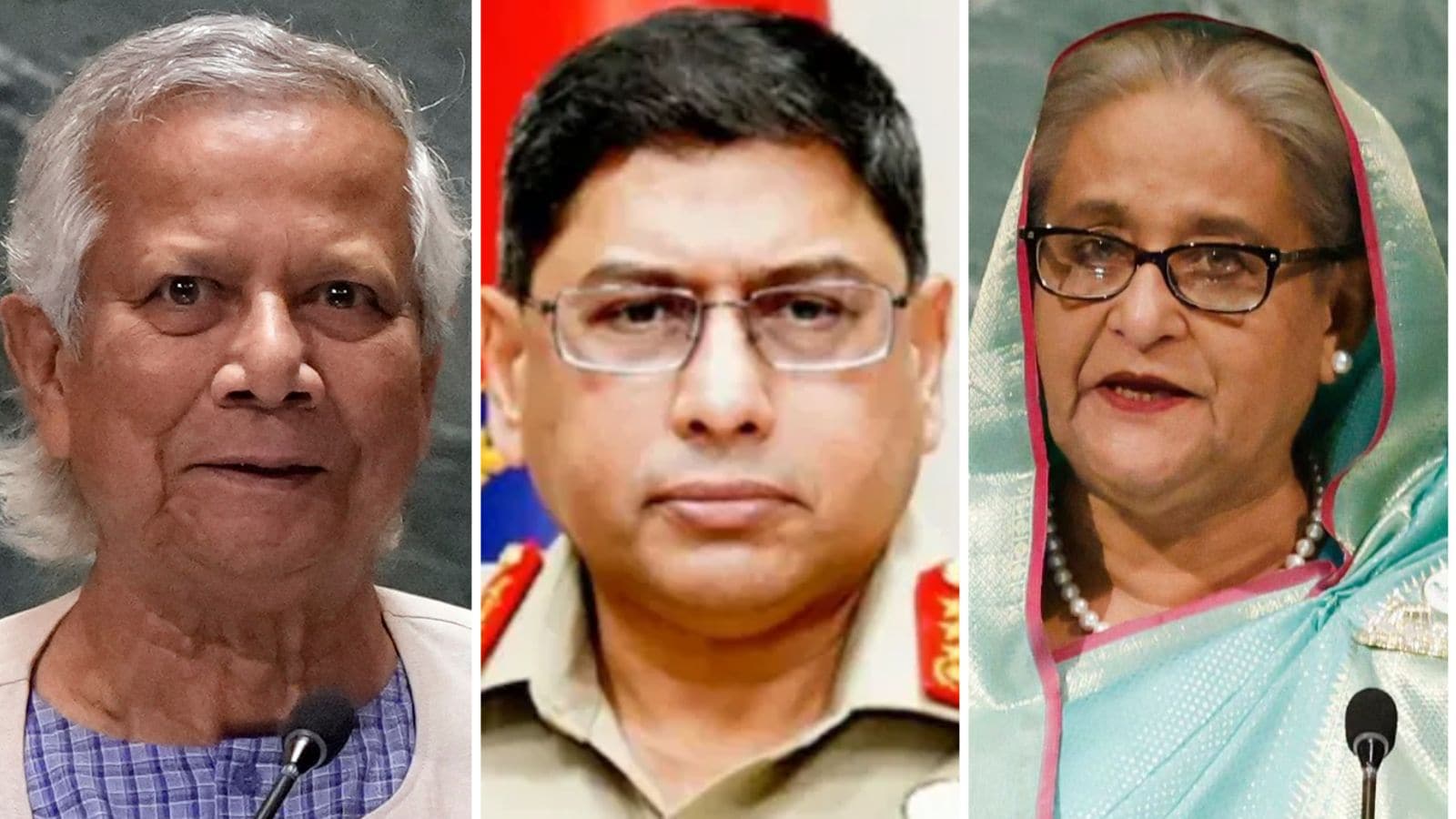
In recent explosive disclosures, numerous sources and political analysts have raised serious allegations about the role of foreign intelligence agencies, particularly the CIA, in orchestrating political upheavals in Bangladesh. The narrative centers on claims that the Central Intelligence Agency played a pivotal role in the removal of Sheikh Hasina from power, with the Bangladesh Army’s then-chief of staff, Waker, allegedly on their payroll. These allegations, while contentious, have ignited a debate about foreign influence in the internal politics of Bangladesh and the size of covert operations aimed at regime change.
Unveiling the Allegations
Sheikh Hasina’s Ouster and the Role of Foreign Intelligence
According to reports covered by outlets like Moneycontrol and News18, there is a growing chorus of suspicion that external actors, especially the CIA, may have been instrumental in arranging Sheikh Hasina’s political ouster. The narrative suggests that these agencies, driven by geopolitical interests, sought to destabilize her government by aligning with local military factions and political adversaries. The allegations point to covert operations, behind-the-scenes lobbying, and strategic support to opposition elements to engineer a coup or a regime change.
One of the most startling claims comes from ex-Bangladesh officials and clandestine sources who suggest that Army Chief Waker was ‘on their payroll’. This tarnishes the official account of military neutrality, raising questions about the integrity of the armed forces during critical moments of Bangladesh’s political crises.
The Booking of the Bangladesh Army’s Betrayal
A recent publication, as reported by sources like Swarajyamag and CNBC, claims that the Bangladesh Army Chief, Waker, was double-crossed by Sheikh Hasina’s government and, ostensibly, manipulated or leveraged by foreign intelligence agencies to serve their interests. An ex-minister’s claim that the army was betrayed suggests a covert alliance or betrayal that led to the toppling of Sheikh Hasina’s administration.
Furthermore, these narratives point to the army’s instrumental role, allegedly facilitated by external players, in executing or supporting a coup attempt. Such detailed allegations, if accurate, reveal a complex web where foreign espionage, military loyalty shifts, and political manipulations intertwine to destabilize democratically elected governments.
Partisan Narratives and Political Ramifications
Multiple Perspectives and Conflicting Claims
The allegations are far from monolithic. Some reports, such as those from OpIndia and News18, echo a similar theme—pointing at intelligence agency interference and military betrayal. For instance, claims that the CIA was actively involved in the political landscape, by funding and supporting opposition factions, open up a Pandora’s box of Cold War-style covert operations in South Asia.
On the other hand, official Bangladeshi narratives tend to dismiss or deny these claims, emphasizing that Sheikh Hasina’s government was a victim of internal political factionalism rather than foreign conspiracy. Yet, the weight of evidence and testimonies from former officials suggest that external covert influence may have played a subtle yet decisive role in shaping political outcomes.
Implications for Bangladesh’s Sovereignty
These allegations, if substantiated, could have profound implications for Bangladesh’s sovereignty and its perception on the global stage. It would imply that external intelligence agencies actively meddle in its internal politics, undermining democratic processes and sovereignty. Such revelations could trigger reforms within Bangladesh to increase transparency and reduce foreign influence, but it may also lead to heightened suspicions, diplomatic tensions, and internal instability.
The Broader Geopolitical Context
Regional and Global Power Struggles
Bangladesh’s strategic location and political landscape have always attracted the attention of major powers. The United States, through agencies like the CIA, has historically engaged in covert operations across South Asia to safeguard national interests. Allegations of CIA involvement in Bangladesh are consistent with broader patterns of foreign intervention in regionally sensitive countries.
India’s role and influence are also noteworthy in this context. While primarily seen as a regional power concerned with stability, reports occasionally scrutinize the influence of Western intelligence agencies competing with regional players for influence over Bangladesh’s political future.
Reflections on Democratic Integrity
The debate hinges on questions of sovereignty, democratic integrity, and external meddling. If external agencies manipulate political outcomes, it raises concerns about the authenticity of democratic processes. The legitimacy of Sheikh Hasina’s ousting becomes suspect, leading to discussions about electoral reforms, transparency, and the protection of national sovereignty from covert foreign influence.
The Need for Transparent Investigations
Given the gravity of the allegations, there is an urgent need for transparent, independent investigations into the circumstances surrounding Sheikh Hasina’s removal. While claims from ex–Bangladesh officials fuel suspicion, conclusive evidence remains elusive to the public. Official inquiries would help clarify the extent of foreign interference and establish accountability, which is essential for strengthening democratic stability.
The Role of Media and Public Discourse
As with any politically sensitive issue, the media plays a pivotal role in shaping public opinion. Multiple reports from outlets like CNBC, OpIndia, and Swarajyamag investigate and propagate these claims, often fostering polarized debates. For the public, it is crucial to critically examine such reports, evaluate evidence, and push for factual clarity to prevent misinformation from destabilizing societal cohesion.
Final Thoughts
The revelations surrounding the CIA’s alleged role in Sheikh Hasina’s ouster and the army’s loyalty shifts are a stark reminder of the intricate and often shadowy world of international espionage and military-politician relationships. Whether these claims are fact or conspiracy theories, they underscore the importance of sovereignty, transparency, and vigilance in defending democratic institutions against covert external influences.
While debates continue and evidence awaits unambiguous proof, the discussion emphasizes the need for Bangladesh and similar nations to reinforce internal integrity, resist foreign manipulation, and nurture genuine democratic culture.
Ultimately, uncovering the truth behind these allegations will require careful, unbiased investigations, and a commitment by all stakeholders to uphold democratic values and sovereignty.
For more updated news please keep visiting Hourly Prime News.