

In recent years, China’s international strategy under President Xi Jinping has taken a pronounced shift towards asserting its influence on the global stage, often in direct opposition to Western dominance. The culmination of this strategy was vividly displayed at a grand military parade where Xi gathered what international analysts are now calling the ‘Axis of Upheaval.’ This emerging alliance signals a profound change in geopolitical alliances, challenging the traditional unipolar world order dominated by Western powers. The move is not only symbolic but also strategic, demonstrating China’s intent to carve out a significant sphere of influence through military, diplomatic, and diplomatic outreach to like-minded states.
The Military Parade: Showcasing Power and Defiance
According to Reuters, China’s leader Xi Jinping used the recent National Day celebrations to display China’s military strength, gathering an array of advanced weaponry and troops reminiscent of Cold War-era displays of power. This military parade was not merely a show of strength but a clear message to Western powers and their allies that China is a force to be reckoned with, asserting its sovereignty and independence on its own terms.
Formation of the ‘Axis of Upheaval’
During the parade, President Xi Jinping explicitly challenged Western influence, emphasizing resilience and strategic independence. Several international news outlets, including Reuters, highlight the importance of this move in the context of emerging new alliances.
Strategic Diplomacy: From Military to Diplomacy
Xi’s Diplomatic Outreach
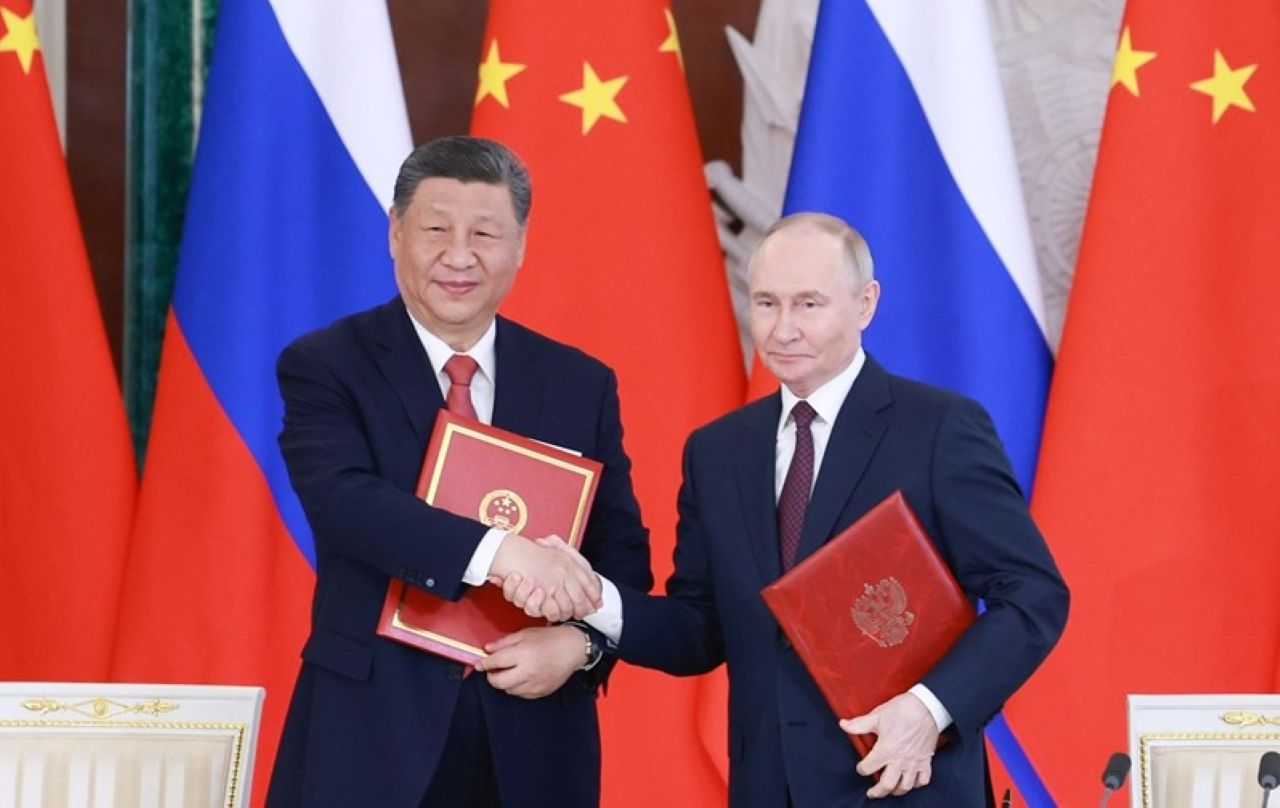
Beyond military displays, Xi Jinping has also been actively engaging with other influential leaders from the emerging power bloc. Notably, he has planned meetings with Russian President Vladimir Putin and North Korean leader Kim Jong Un, signaling a clear intent to forge a united front in geopolitical affairs. As reported by BBC, Xi’s diplomatic efforts are aimed at consolidating this ‘Axis of Upheaval,’ a coalition that challenges Western-led global institutions and norms.
Meeting with Kim and Putin
The planned high-level meetings with Kim Jong Un and Vladimir Putin are not mere formalities but strategic moves to demonstrate solidarity among these nations. BBC reports that these meetings point to a coordinated effort to counter traditional Western influence, presenting a united front on regional and global issues.
Inclusion of North Korea and the Show of Defiance
Kim Jong Un’s Attendance
Adding further complexity to this emerging alliance, North Korean leader Kim Jong Un is set to attend a victory celebration in China, as detailed by The Hindu. The presence of Kim at this event underscores the deepening military and diplomatic ties between North Korea and China, further challenging Western influence in the region.
Joint Parades with Russia and North Korea
On the anniversary of WWII’s end, North Korea’s Kim Jong Un and Russian President Vladimir Putin are slated to attend a grand military parade in China. As reported by Al Jazeera, this move is seen as a deliberate demonstration of an axis that aims to contest Western dominance on the international stage. Their coordinated display in China sends a powerful message about their collective resilience and opposition to what they perceive as Western interference.
The Significance of the ‘Axis of Upheaval’
Implications for Global Politics
These developments, including strategic military displays and diplomatic meetings, collectively point towards the formation of a formidable new power bloc. While critics argue that this axis could destabilize existing global order, supporters see it as a necessary counterbalance to Western hegemony. The alliance promises increased cooperation among authoritarian regimes, potentially leading to new regional conflicts or shifts in global economic power.
Strategic Challenges for the West
Western nations face significant strategic challenges in countering this emerging alliance. The united front posed by China, Russia, and North Korea complicates efforts to enforce sanctions, promote democracy, or maintain influence in vulnerable regions. This new geopolitical configuration demands a reevaluation of diplomatic, military, and economic strategies by Western powers, particularly in Asia and Eastern Europe where these influences are most acute.
Conclusion: A New Era of Geopolitical Realignment
The recent displays of power and diplomatic activity orchestrated by President Xi Jinping indicate a deliberate move toward forging a resilient, multi-state alliance that challenges Western supremacy. The ‘Axis of Upheaval’ symbolizes a shift towards multipolarity, where multiple centers of influence work in concert to reshape global norms and power structures. As this alliance consolidates, it will undoubtedly influence international conflicts, economic exchanges, and diplomatic relations in the years to come. The world is now witnessing a strategic realignment, where new rules of engagement are being written, and global power is becoming more fragmented and complex than ever before.
For more updated news please keep visiting Hourly Prime News.