

China’s Auto Sales – The Illusion of a Booming Market
Over recent months, China’s automotive market has been making headlines with impressive sales figures that suggest a thriving industry. Reports from various sources indicate a significant uptick in vehicle sales, leading many to believe that the automotive sector in China is back on its growth trajectory. However, beneath this seemingly positive facade lies a more complex and concerning reality. Industry insiders and analysts are raising alarms that this surge in sales may be just a temporary anomaly, masking deep-rooted structural issues and impending crises that threaten the long-term health of the industry.
Understanding the Sales Surge: Short-term Factors and Temporary Boosts
Government Stimulus and Policy Incentives
One of the primary catalysts behind the recent surge has been increased government support, including subsidies for electric vehicles (EVs), relaxed restrictions, and stimulus measures aimed at reviving consumer confidence. These policies have successfully motivated consumers to purchase vehicles, particularly EVs, which compose a large segment of the market. As a result, many showrooms report record sales, but these improvements are partly driven by policy pushes rather than intrinsic market demand.
Economic Recovery Post-Pandemic
Following the disruptions caused by the COVID-19 pandemic, China’s economy has shown signs of recovery. Consumers, eager to return to normalcy, have resumed vehicle purchases, often motivated by the need for personal transport amid concerns over public transportation safety. This pent-up demand has inflated sales figures, creating an illusion of industry vitality that may not persist once the initial surge tapers off.
Inventory Management and Dealer Promotions
Car manufacturers and dealerships have also employed aggressive promotional tactics, including discounts and attractive financing options, to accelerate sales. While effective in short-term volume growth, such strategies often lead to increased inventory buildup and financial strain for dealers, hinting at underlying supply chain and demand imbalances.
The Underlying Crisis: Structural Challenges and Industry Vulnerabilities
Declining Domestic Demand and Market Saturation
Despite the recent figures, many industry analysts argue that the core domestic demand remains sluggish. China’s car ownership rates are approaching saturation, especially in tier-one cities where the market is mature. Therefore, any short-term growth is unlikely to be sustained without continuous external stimuli, and future demand growth has slowed considerably.
Overcapacity and Excess Inventory
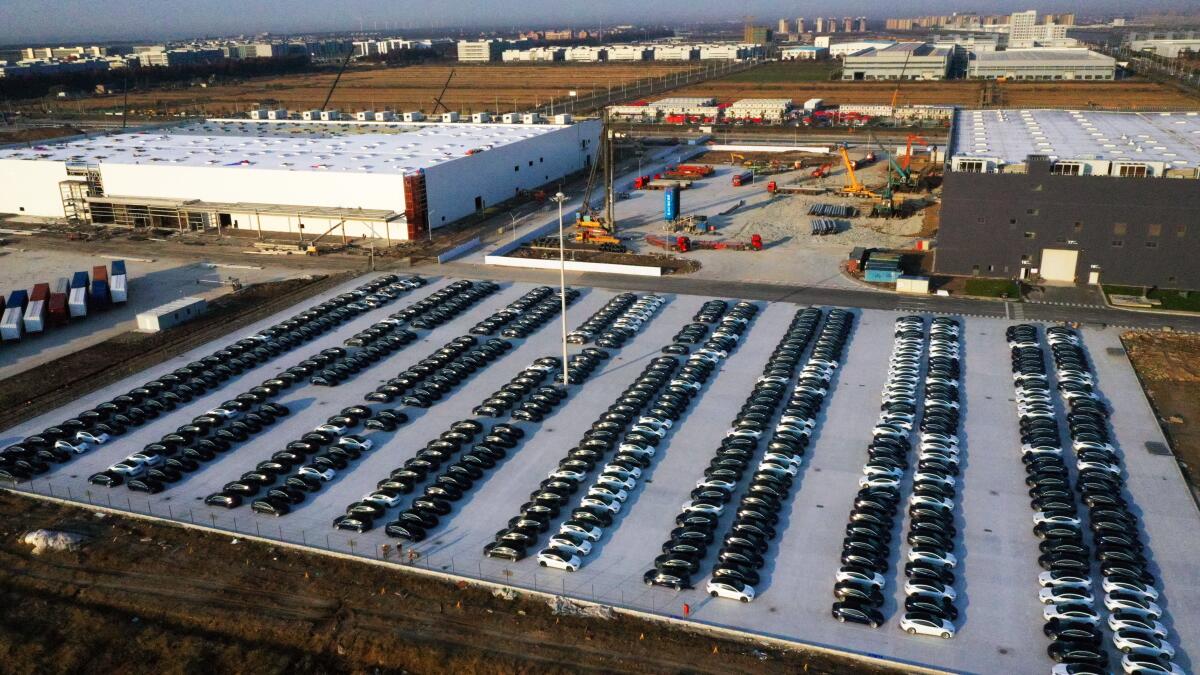
The surge in vehicle deliveries has resulted in a glut of inventory at manufacturing plants and dealerships. Many manufacturers are facing the challenge of managing excess stock, which can lead to falling prices, reduced profit margins, and financial distress. Overcapacity has become a significant concern, impairing the industry’s competitiveness and financial stability.
Financial Strains and Dealer Dependence on Promotions
The aggressive promotional environment has placed financial pressure on dealers, many of whom are operating on thin margins. Retailers are increasingly reliant on short-term sales tactics to stay afloat, which undermines the industry’s overall sustainability. Moreover, this dependence on promotional activities can lead to consumer expectation of discounts, eroding brand value and profitability in the long run.
Electric Vehicles: The Double-Edged Sword
Rapid Growth of the EV Market
China has positioned itself as a global leader in electric vehicle adoption, with government policies heavily favoring EV manufacturers. Sales of electric vehicles have skyrocketed, contributing significantly to overall automotive sales figures. This growth has created a narrative of a green and innovative industry that is transforming the landscape.
Challenges Facing EV Industry
While the EV sector appears promising, it faces critical obstacles:
- Overproduction and Price War: An over-saturated EV market has led to intense price competition, squeezing profit margins for manufacturers.
- Supply Chain Risks: Reliance on specific raw materials like lithium and cobalt exposes the industry to geopolitical and logistical risks.
- Consumer Hesitation and Secondhand Market: Shorter product lifecycles and technological advancements lead to consumer hesitations and a burgeoning secondhand EV market, which can stifle new sales.
Long-term Outlook: Is the Boom Sustainable?
Given the current challenges, the sustainability of China’s automotive market growth remains questionable. The temporary drivers of recent sales are unlikely to produce consistent long-term demand. Industry experts warn that without addressing core issues such as product innovation, supply chain stability, and consumer sentiment, the industry could face a significant downturn once the effects of stimulus policies fade.
Policy Implications and Industry Recommendations
To navigate the looming crisis, policymakers and industry leaders must consider strategic measures:
- Encourage Innovation: Invest in R&D to diversify product offerings beyond current models, emphasizing quality and durability.
- Supply Chain Modernization: Develop resilient supply chains for critical raw materials and components.
- Market Diversification: Stimulate demand in less mature markets, including rural areas and emerging markets within China.
- Balancing Incentives: Gradually phase out subsidies to prevent market distortion and promote healthy consumer demand.
Concluding Remarks: The Need for Caution and Long-Term Planning
The recent surge in China’s auto sales, while impressive on the surface, masks significant underlying challenges that threaten the industry’s stability. Relying solely on policy incentives, promotional discounts, and short-term demand signals can lead to destabilization in the long run. Industry stakeholders need to adopt a cautious approach, focusing on sustainable growth strategies that address demand saturation, overcapacity, and technological innovation.
Only by transitioning from temporary boosts to structural reforms can China’s automotive industry truly secure its future, transforming the current crisis into an opportunity for renewal and resilience.
For more updated news please keep visiting Hourly Prime News.