

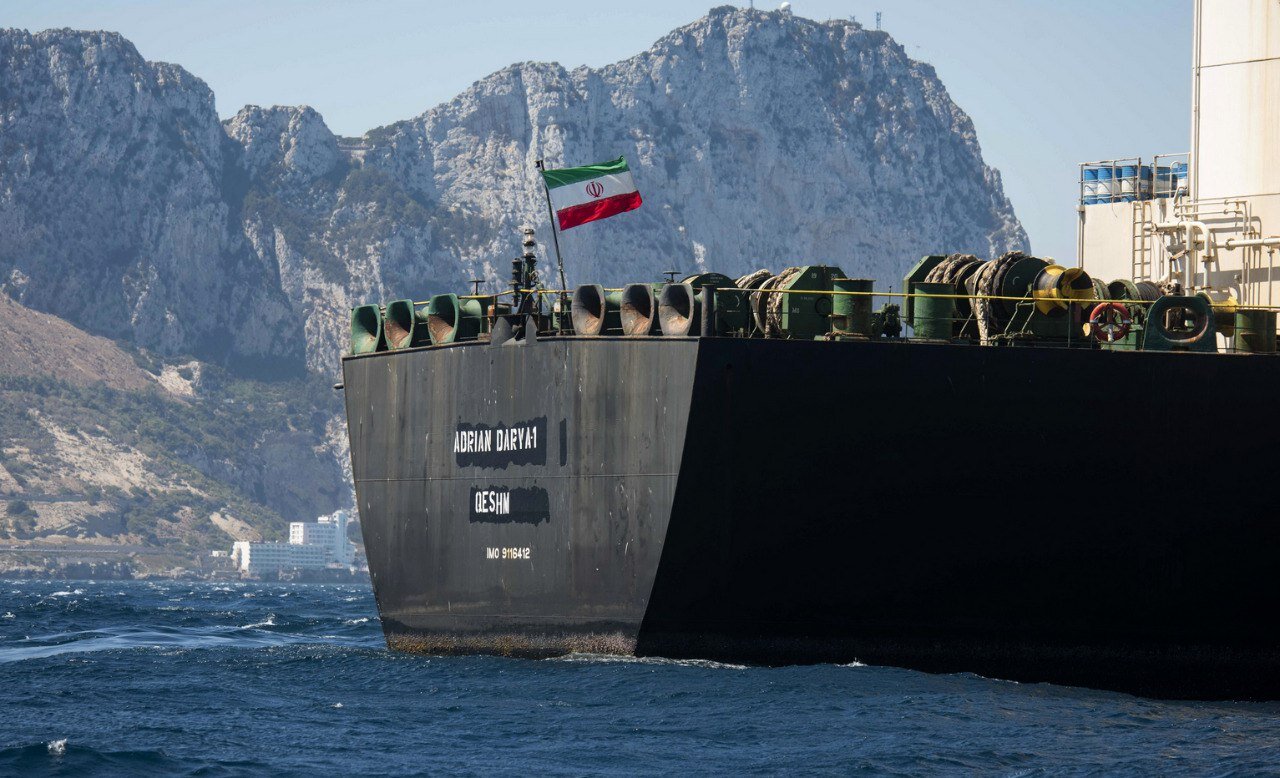
In recent months, the geopolitical landscape has been characterized by increasing tensions between the United States and major global players like China, Russia, and Iran. The US has intensified its efforts to impose sanctions and exert economic pressure, particularly targeting the oil trade with Russia and Iran. However, China has emerged as a formidable player, resisting these pressures and continuing to import significant volumes of Russian and Iranian crude oil. This defiance signals a shift in the global energy dynamics and highlights China’s strategic move to maintain its energy security and economic stability amid mounting international pressures.
Background: US Sanctions and Global Oil Politics
The US Strategy
The United States has long sought to isolate Russia and Iran economically, especially through sanctions targeting their oil exports. With Russia’s invasion of Ukraine in 2022, the US escalated its efforts, aiming to curtail Russia’s revenue from oil exports as part of broader sanctions. Similarly, the US has been pressuring countries worldwide to cease importing Iranian oil, enforcing sanctions that have aimed to curb Iran’s oil export capacity.
Impact on Global Markets
These sanctions and diplomatic pressures have significantly affected global oil markets, leading to higher prices and adjustments in supply chains. Countries heavily dependent on Russian and Iranian oil have faced intense diplomatic and economic dilemmas, balancing their energy needs against the risks of sanctions or secondary sanctions from the US.
China’s Resistance: A Strategic Move
Continuing Oil Imports from Russia and Iran
Despite US demands, China has openly continued its robust imports of Russian and Iranian oil. Reports indicate that Beijing has been increasing its procurement of Russian crude, capitalizing on discounted prices amid Western sanctions. Similarly, Iran has seen a resurgence as China emerges as a primary partner, circumventing US sanctions and maintaining a steady flow of crude oil.
This approach underscores China’s strategic aim to diversify its energy sources and reduce reliance on Western infrastructure and sanctions. By doing so, China ensures its energy security, especially during geopolitical upheavals.
Official Stance and Diplomatic Tensions
China’s government has publicly dismissed US calls to cut oil imports from Russia and Iran. According to Yahoo Finance, China’s stance is clear: it prioritizes its national interests over external pressures.
Economic and Geopolitical Implications
Impact on US and Western Policies
The resistance from China complicates the US strategy of isolating Russia and Iran through economic sanctions. As China continues to buy Russian and Iranian oil, the effectiveness of US sanctions comes into question. It diminishes Washington’s leverage and underscores the limitations of unilateral sanctions when powerful countries like China choose to bypass them.
Emerging Global Energy Alliances
China’s stance is contributing to the emergence of new energy alliances and supply chains. These alliances weaken the traditional dominance of Western powers in global energy markets. By securing long-term deals with Russia and Iran, China is effectively creating an alternative axis that challenges existing geopolitical orders.
The Role of China’s Domestic Policies and Economic Strategy
Ensuring Energy Security
Energy security remains a top priority for China amid ongoing international tensions. The country’s vast energy needs necessitate diversified sourcing, and Russia and Iran are critical partners given their proximity and discounted prices.
Leveraging Economic Opportunities
China’s willingness to continue oil imports from sanctioned countries demonstrates it is leveraging economic opportunities to strengthen its position in the global economy. It also underscores China’s broader goal of reducing dependence on Western-dominated financial and trade systems.
International Reaction and Future Prospects
Global Reactions
While Western nations criticize China’s stance, many developing countries view China’s approach as pragmatic and essential for their own energy needs. This divergence in perspectives may influence future diplomatic negotiations and global energy policies.
Potential Trends
- Increased Chinese imports from Russia and Iran: Expected to grow as Western sanctions intensify.
- Emergence of alternative payment systems: Bypassing Western-controlled financial systems like SWIFT.
- Strengthening of energy partnerships: Long-term deals with sanctioned countries become more common.
- Potential US and allies response: Imposing secondary sanctions or diplomatic measures to curb China’s activities.
- Global market shifts: Possible disruptions or realignments in global oil supply routes and pricing.
Conclusion: The New Geopolitical Oil Landscape
China’s firm stance against US pressure to halt Russian and Iranian oil imports marks a significant shift in the global geopolitical landscape. It exemplifies how major players are asserting their independence and strategic interests, challenging the unilateral approach of Western sanctions. This resistance not only reflects China’s desire to secure reliable energy sources but also signals a potential shift toward a more multipolar global energy market.
As the world watches this evolving scenario, the interplay between diplomacy, economics, and energy security will undoubtedly shape future international relations. The resilience of China in maintaining its oil imports from sanctioned nations underscores the complexity of global geopolitics and highlights the need for adaptive diplomatic strategies.
Understanding these developments is crucial for stakeholders across the globe—be it policymakers, businesses, or consumers. The future of global energy security may well depend on how these geopolitical tensions unfold and how major powers like China navigate their strategic interests amidst mounting US pressures.
For more updated news please keep visiting Hourly Prime News.