

Chia Seed Milk Side Effects: Risks and Precautions to Know Chia Seed Milk Side Effects: Risks and Precautions to Know Chia seeds have gained immense popularity as a superfood due to their numerous health benefits, including high fiber content, omega-3 fatty acids, and antioxidants. Incorporating chia seeds into milk to create a nutritious beverage seems like an excellent idea, but it’s essential to be aware of potential side effects and precautions.
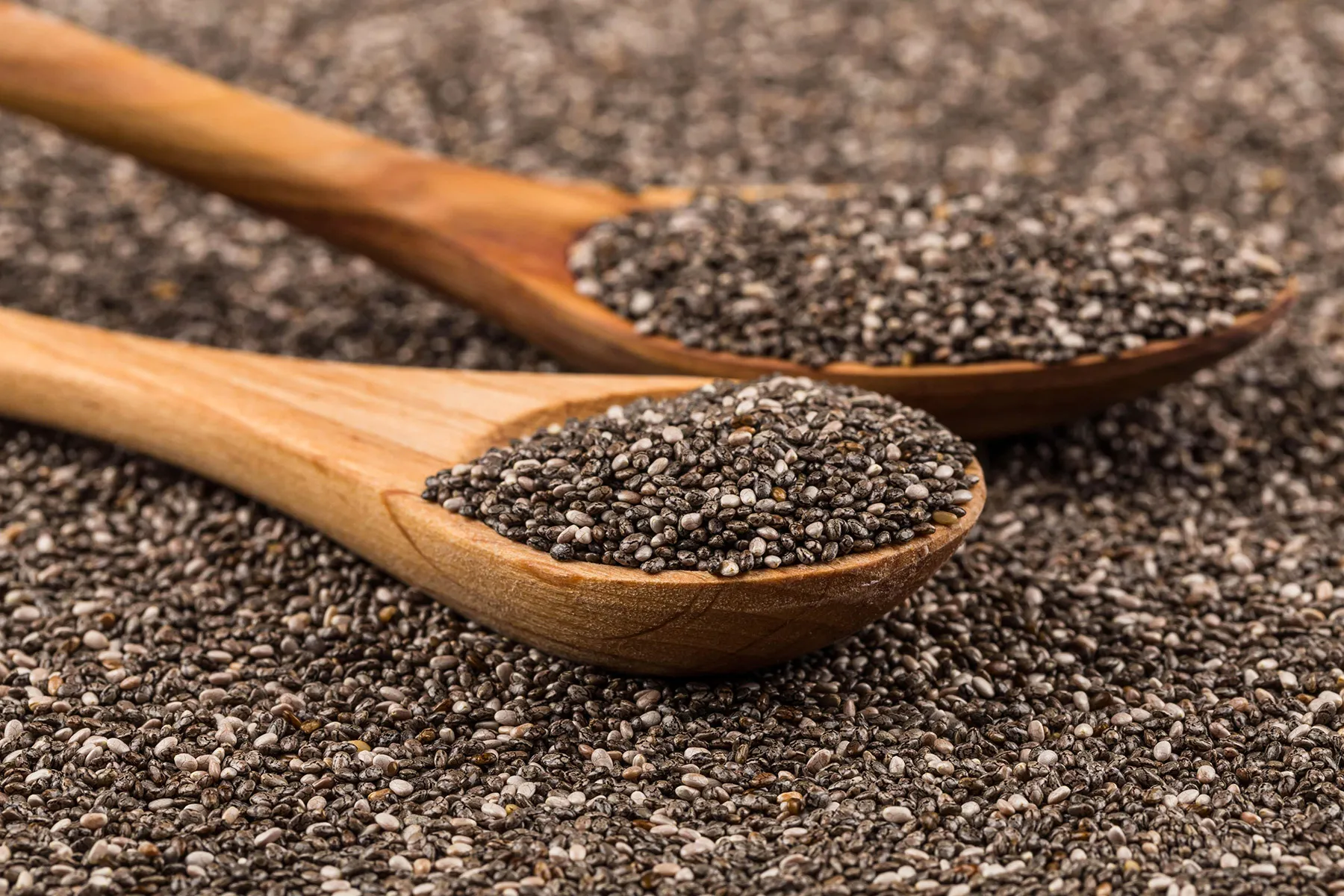
While many individuals enjoy chia seed milk without issues, some may experience adverse reactions or health risks that warrant attention. Understanding Chia Seeds and Their Nutritional Profile Chia seeds are tiny black or white seeds derived from the plant Salvia hispanica. They are renowned for their ability to absorb liquids and form a gel-like consistency, making them versatile in various recipes. When combined with milk, they enhance the nutritional value, offering a rich source of omega-3s, fiber, and minerals such as calcium and magnesium.
However, despite their many benefits, it’s crucial to understand that chia seeds are potent and can pose health risks if consumed improperly or in excessive amounts. This is especially relevant when they are used in milk, which alters their consumption dynamics. Potential Side Effects of Chia Seed Milk 1. Choking and Digestive Risks One of the most immediate concerns with chia seed milk is the choking hazard associated with the seeds’ ability to absorb water and expand. If chia seeds are not soaked properly before consumption, they can swell in the throat, potentially causing choking.
To mitigate this risk, it is advised to soak chia seeds in water or milk for at least 15-20 minutes before drinking. Additionally, consuming large quantities of unsoaked chia seeds can lead to digestive discomfort, including bloating, gas, and constipation due to their high fiber content. Gradually introducing chia into your diet can help your digestive system adapt and reduce these effects. 2. Digestive Discomfort and Bloating The high fiber content of chia seeds, especially when combined with milk, can sometimes lead to digestive disturbances.
Excessive fiber intake may cause bloating, stomach cramps, and increased gas, particularly in individuals with sensitive stomachs or existing gastrointestinal conditions. It is advisable to start with small servings and increase intake gradually while maintaining adequate hydration. 3. Allergic Reactions Though rare, some individuals may be allergic to chia seeds. Symptoms can range from mild itching and skin rashes to more severe reactions such as swelling of the face, difficulty breathing, and anaphylaxis. If you suspect an allergy, it is crucial to consult a healthcare provider and discontinue consumption immediately. People with seed allergies, such as sesame or mustard, should exercise caution, as cross-reactivity may occur. 4.
Impact on Blood Sugar and Blood Pressure Chia seeds contain soluble fiber which can influence blood sugar levels by slowing glucose absorption. While this can be beneficial for diabetics when consumed in moderation, excessive intake might cause unpredictable blood glucose fluctuations. Similarly, chia’s ability to lower blood pressure may be problematic for individuals on antihypertensive medications, leading to unwanted hypotension. 5. Possible Weight Gain Since chia seeds are calorie-dense, overconsumption can contribute to weight gain if not balanced within a calorie-controlled diet. Adding excessive amounts to your milk may increase calorie intake, so moderation is key.
Precautions to Consider When Drinking Chia Seed Milk Start Small: Begin with small servings, such as a teaspoon of soaked chia seeds in milk, and gradually increase as tolerated. Proper Soaking: Always soak chia seeds properly before consumption to prevent choking and improve digestibility. Hydration: Drink plenty of water alongside chia seed milk to help fiber do its job and prevent constipation. Allergy Awareness: Be cautious if you have known seed allergies or sensitive digestive systems. Avoid Excessive Intake: Limit consumption to 2-3 tablespoons of soaked chia seeds per day to stay within safe limits. Consult Healthcare Providers: If you are pregnant, nursing, on medication, or have underlying health conditions, consult a healthcare professional before adding chia seeds to your diet.
Additional Tips for Safe Consumption To enjoy the benefits of chia seed milk without risk, consider the following tips: Always soak chia seeds in liquid for at least 15-20 minutes, or overnight, to allow them to expand and reduce choking risk. Mix chia seeds into milk or smoothies in moderation, balancing them with other nutrient-dense foods. If experiencing digestive issues, reduce your intake or try alternative methods such as grinding chia seeds for easier digestion. Pay attention to any allergic reactions and seek medical advice if symptoms occur.
Conclusion Chia seed milk can be a nutritious addition to your diet, offering health benefits like improved digestion, heart health, and sustained energy. However, awareness of potential side effects and adherence to precautions are vital to maximize benefits and prevent adverse reactions. Proper soaking, moderation, and paying attention to your body’s responses are key steps towards safely enjoying chia seed milk. As with any health trend, informed choices and moderation make the difference. Always consult with healthcare professionals if uncertain about introducing new foods into your routine, especially if you have pre-existing health conditions. For more updated news please keep visiting Hourly Prime News.