

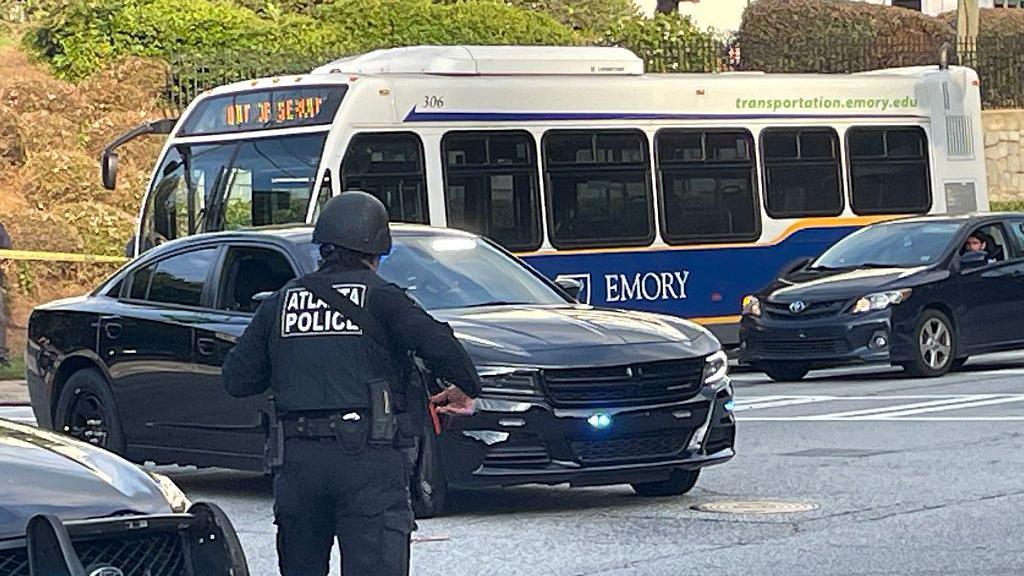
The attack on the Centers for Disease Control and Prevention (CDC) has sent shockwaves through the public health community and raised pressing questions about the underlying motives of the assailant. The incident, which involved a gunman targeting a vital institution during a time of heightened health concerns, has prompted investigations that delve deeper than mere criminal intent.
Recent reports suggest that the suspect may have harbored anti-Covid vaccine beliefs, adding an unusual and troubling layer to the incident. This possibility highlights the complex interplay between individual beliefs, misinformation, and violent actions, especially in the context of a global pandemic that has polarized opinions around health measures and vaccination efforts.
The Incident in Focus: What Happened?
The attack on the CDC site was a startling event, with law enforcement officials quickly responding to secure the area and evaluate the threat. Witnesses described a tense situation, with reports indicating that the gunman showed specific interest in the institution’s vaccination policies and messaging.
While authorities have not yet provided a definitive motive, emerging evidence points toward personal beliefs that oppose Covid-19 vaccination efforts. This raises critical questions: Was this a targeted attack driven by anti-vaccine sentiments? Or was it an act of frustration stemming from misinformation and distrust?
Anti-Covid Vaccine Beliefs: The Roots of Misinformation and Distrust
Understanding the Belief System
Anti-vaccine sentiments are not new. However, their amplification during the Covid-19 pandemic has dramatically influenced public perception and behavior. Several factors contribute to this phenomenon:
- Misinformation and Conspiracy Theories: The surge of false information on social media platforms has led many to question the safety and efficacy of vaccines.
- Distrust in Authorities: A general skepticism towards government agencies and health organizations fuels opposition to vaccination campaigns.
- Perceived Loss of Personal Freedom: Resistance to mandates and restrictions has often been framed within a narrative of personal liberties being curtailed.
The Impact of Anti-Vaccine Beliefs on Society
These beliefs have tangible consequences, including lowered vaccination rates, outbreaks of preventable diseases, and, as suggested by recent events, potential for violent acts against health institutions perceived as promoters of vaccine policies.
Linking the Attack to Anti-Vaccine Ideology
Evidence Suggesting a Motivated Attack
Preliminary analyses indicate that the suspect’s statements and online activities reveal a consistent anti-vaccine stance. Some key points include:
- Explicit expressions of distrust toward Covid-19 vaccines on social media platforms.
- Claims that the CDC and other health authorities are suppressing information or pushing harmful agendas.
- Possession of materials or paraphernalia associated with anti-vaccine movements during the incident.
The Psychological and Social Factors
Individuals deeply entrenched in anti-vaccine beliefs may react with hostility or violence when they encounter perceived threats or opposition. Factors such as social isolation, radicalization online, and emotional distress can escalate these beliefs into harmful actions. In this context, the attack on the CDC can be viewed through the lens of radicalized anti-vaccine ideology intersecting with mental health challenges or personal grievances.
Broader Implications for Public Health and Security
Challenges for Law Enforcement and Public Health Officials
This incident underscores the importance of recognizing and addressing the potential for ideological violence linked to misinformation. Law enforcement agencies face the complex task of balancing security measures with community outreach to prevent such events.
Prevention Strategies and Community Engagement
- Enhanced Surveillance: Monitoring online spaces where anti-vaccine sentiments are proliferating.
- Public Education: Promoting accurate information and combating myths through transparent communication.
- Community Outreach: Building trust with groups skeptical of health authorities to prevent radicalization.
Conclusion: Navigating a Difficult Path Forward
The suspected link between the CDC attacker’s beliefs and anti-Covid vaccine sentiments illustrates a troubling trend: the potential for ideological extremism fueled by misinformation to manifest in violence. It is crucial for public health officials, law enforcement, and communities to work collaboratively to counteract misinformation, foster trust, and ensure safety without infringing on personal freedoms.
As we examine this incident, it is vital to remember that addressing the roots of distrust and misinformation is as essential as ensuring physical security. Preventing future violence requires us to understand the psychological and societal factors at play and to promote a culture of informed decision-making and mutual respect.
Only through comprehensive approaches can we hope to mitigate these risks and protect institutions vital to our collective well-being.
For more updated news please keep visiting Hourly Prime News.