

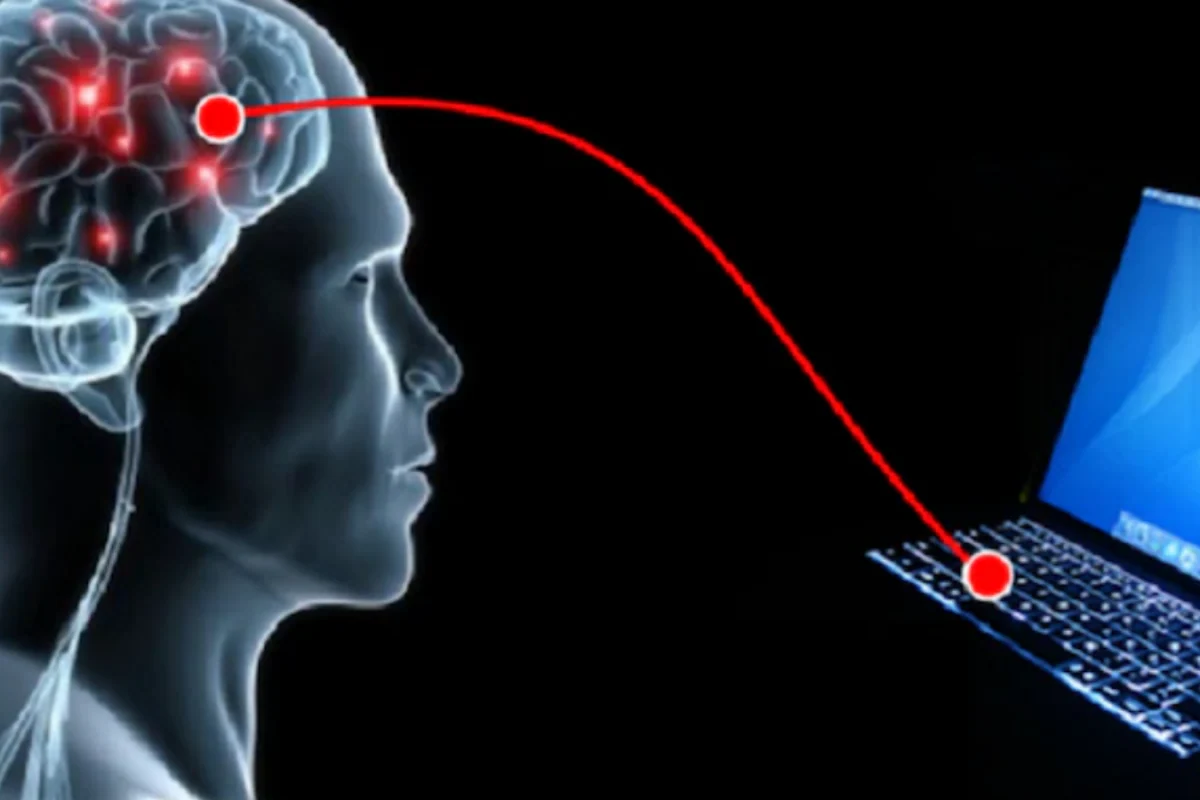
In recent years, technological advancements have propelled the field of brain-computer interfaces (BCIs) from science fiction to scientific reality. The possibility that computers can interpret our thoughts directly—without needing speech or physical movement—has transitioned from a distant dream to tangible scientific explorations. Breakthrough studies from reputable sources such as Times of India, News18, and others have demonstrated that decoding human cognition is no longer confined to theoretical conjecture. Instead, it is actively being realized through cutting-edge research that ventures into understanding the human mind at unprecedented levels.
Decoding the Human Mind: How Is This Achieved?
The process of translating neural signals into meaningful data involves sophisticated technologies like functional magnetic resonance imaging (fMRI), electroencephalography (EEG), and smaller, implantable brain devices. These tools detect electrical activity or blood flow changes associated with neural activity. However, the challenge has been to interpret these signals accurately enough to reconstruct complex thoughts, inner speech, or intentions with high fidelity.
Recent studies, such as the one highlighted by the Times of India, the decoding of thoughts is achieved through analyzing neural activity associated with inner speech, images, or intentions, offering a glimpse into the limitless potential of the mind-machine symbiosis.
Notable Breakthroughs in Mind Reading Technology
1. Decoding Inner Speech and Thought Patterns
One of the most significant breakthroughs has been the ability to interpret ‘inner speech’—the silent voice inside our minds. Studies from institutions like the National Institutes of Health (NIH) have developed algorithms capable of translating intracranial activity into words or phrases, effectively giving computers the ability to ‘listen’ to our inner dialogue.
2. Linking Brain Implants With Thought-Reading Capabilities
Advances from companies like Neuralink underscore the potential for high-tech brain implants to decode speech, gestures, and even intentions. As reported by PressReader, this technology can gradually interpret the electrical activity of neural tissue as speech or internal thoughts, perhaps even before they originate in conscious awareness.
The Practical and Ethical Dimensions of Thought Decoding
1. Potential Applications
- Medical Assistance: For patients with paralysis or speech impairments, thought decoding offers hope of restoring communication.
- Security and Authentication: Brain-based authentication could revolutionize cybersecurity by providing a biometric identity that’s impossible to forge.
- Enhanced Human-Computer Interaction: Directly translating thoughts into commands can make device control seamless, especially for disabled individuals.
2. Ethical Concerns and Safeguards
Despite the promising prospects, decoding human thoughts raises profound ethical questions. Privacy concerns top the list, particularly the potential misuse of neural data by governments, corporations, or malicious actors. How do we safeguard mental privacy if computers can read our innermost thoughts? Ethical frameworks and legal regulations will be crucial to ensuring that such revolutionary technologies are used responsibly.
Moreover, issues surrounding consent, potential psychological impacts, and the risk of unintended thought exposure need rigorous deliberation. As we progress toward a future where thought decoding is feasible, establishing clear boundaries and safeguards will be essential to prevent invasive practices or misuse of neural information.
The Road Ahead: Challenges and Opportunities
Despite remarkable progress, several hurdles remain before mind-reading technology becomes commonplace. The complexity of neural signals, individual variability in brain structure, and the transient nature of thoughts pose significant scientific challenges. Furthermore, non-invasive methods that do not compromise privacy yet deliver high accuracy are still under active development.
However, the opportunities outweigh these challenges. Future research aims to refine decoding algorithms, develop miniaturized implant technology, and create ethical standards for their use. We stand at the cusp of a new era—one where understanding human cognition at the neural level could redefine communication, enhance mental health treatment, and unlock the deepest mysteries of the human mind.
Conclusion
In summary, the question “Can computers read minds?” is gradually transitioning from myth to reality. Scientific studies demonstrate that decoding thoughts—once considered science fiction—is now within reach. While fascinating and promising, this evolution demands a balanced approach that emphasizes ethical boundaries, privacy protections, and responsible innovation. As technology continues to evolve, it promises to bridge the gap between human consciousness and machine understanding, ultimately transforming our relationship with technology and ourselves.
For more updated news please keep visiting Hourly Prime News.