

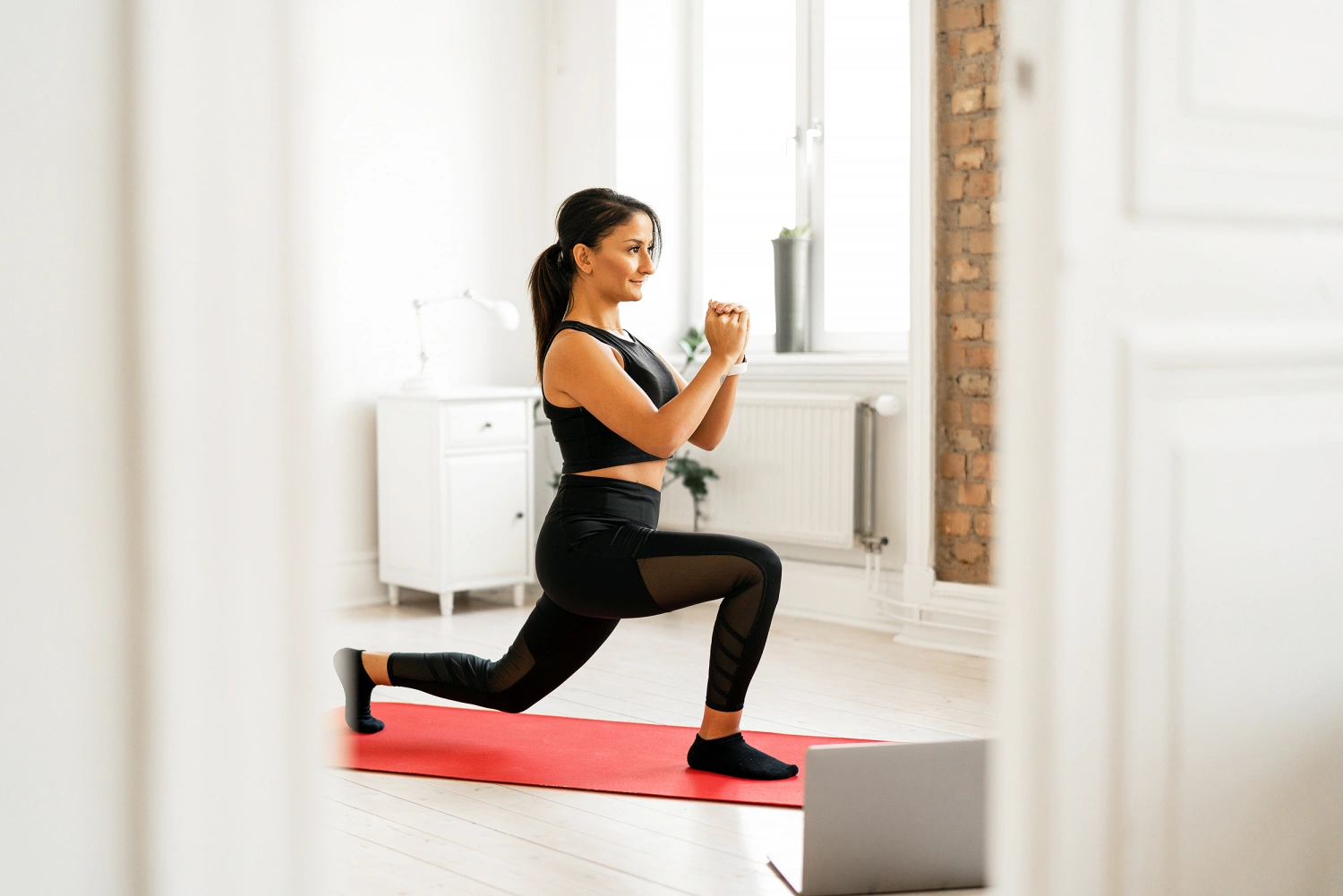
In the quest for longevity and optimal health, many focus on cardiovascular fitness or upper body workouts. However, an often-overlooked yet essential component of a long and vigorous life lies in strengthening the lower body. Your legs, hips, and glutes are not just the foundation for movement—they are vital organs of stability, mobility, and overall health. Building lower body strength may very well be the ultimate secret to extending lifespan, reducing disease risk, and maintaining independence in old age.
Why Lower Body Strength Matters for Longevity
Research continually emphasizes the importance of maintaining muscle mass as we age. The decline in lower body strength is particularly linked with numerous adverse health outcomes, including increased risk of falls, fractures, metabolic diseases, and even mortality. According to the , lower body strength significantly correlates with longevity.
Strengthening your lower body not only enhances your mobility but also boosts metabolic health, supports cardiovascular function, and even improves mental well-being. The simplest analogy is that a strong foundation makes a sturdy building—your body requires strong legs to support your daily activities and prevent decline.
How to Build Lower Body Strength: Practical Strategies
1. Incorporate Compound Movements
Compound exercises target multiple muscle groups simultaneously, making them highly effective for building strength efficiently. Some of the most effective lower body compound movements include:
- Squats: Variations include bodyweight squats, goblet squats, and barbell squats. Focus on proper form to avoid injury and maximize benefits.
- Lunges: Forward, reverse, and walking lunges help improve balance and strength in the glutes, hamstrings, and quadriceps.
- Deadlifts: Conventional, Romanian, and sumo deadlifts develop posterior chain muscles essential for posture and lifting strength.
- Step-Ups: Using a bench or box, step-ups strengthen your thighs and glutes while improving functional mobility.
2. Gradually Increase Resistance and Intensity
Progression is key to building strength. Start with bodyweight exercises, then gradually add resistance using weights, resistance bands, or machines. Ensure your form remains correct as you increase intensity, and consult with a trainer if needed to prevent injury.
3. Focus on Mobility and Flexibility
Flexibility exercises, such as stretching and foam rolling, enhance joint mobility and muscle lengthening, allowing for deeper, more effective workouts and reducing injury risk.
4. Consistency Over Intensity
Regular, moderate workouts beat sporadic intense sessions. Aim for at least 2-3 lower body strength sessions per week, incorporating variety to target all muscle groups effectively.
Additional Tips for Long-Term Benefits
Beyond structured workouts, consider these lifestyle habits:
- Maintain an active lifestyle: Walk, cycle, and engage in recreational activities that require lower body engagement.
- Prioritize nutrition: Consume sufficient protein, healthy fats, and micronutrients supporting muscle maintenance and repair.
- Get adequate rest: Sleep is vital for recovery and hormone regulation relating to muscle growth.
- Manage weight: Excess weight puts additional stress on your hips and knees, accelerating wear and tear.
The Long-Term Impact of Lower Body Strength
Building and maintaining lower body strength has a profound impact on aging gracefully. Strong legs and hips contribute to:
- Enhanced Balance and Reduced Falls: Falls are a leading cause of injury among older adults. Good lower body strength improves stability and coordination.
- Increased Independence: Ability to perform daily activities like climbing stairs, carrying groceries, and standing for extended periods.
- Better Metabolic Health: Muscle tissue helps regulate blood sugar levels and reduces the risk of type 2 diabetes.
- Reduced Chronic Pain: Strengthening muscles around joints alleviates pressure and can diminish arthritis symptoms.
- Improved Mental Well-being: Physical activity releases endorphins, promoting mental health and cognitive function.
Conclusion: Your Blueprint for a Long, Healthy Life
Prioritizing lower body strength is not just about aesthetics or fitness; it is about securing your mobility, independence, and health as the years progress. Simple, consistent exercises like squats, lunges, and deadlifts, combined with a healthy lifestyle, can transform your aging process. Remember, it is never too late to start—your journey toward a stronger, longer life begins today.
For more updated news please keep visiting Hourly Prime News.