

The Incident Unfolds in a Harrowing Manner
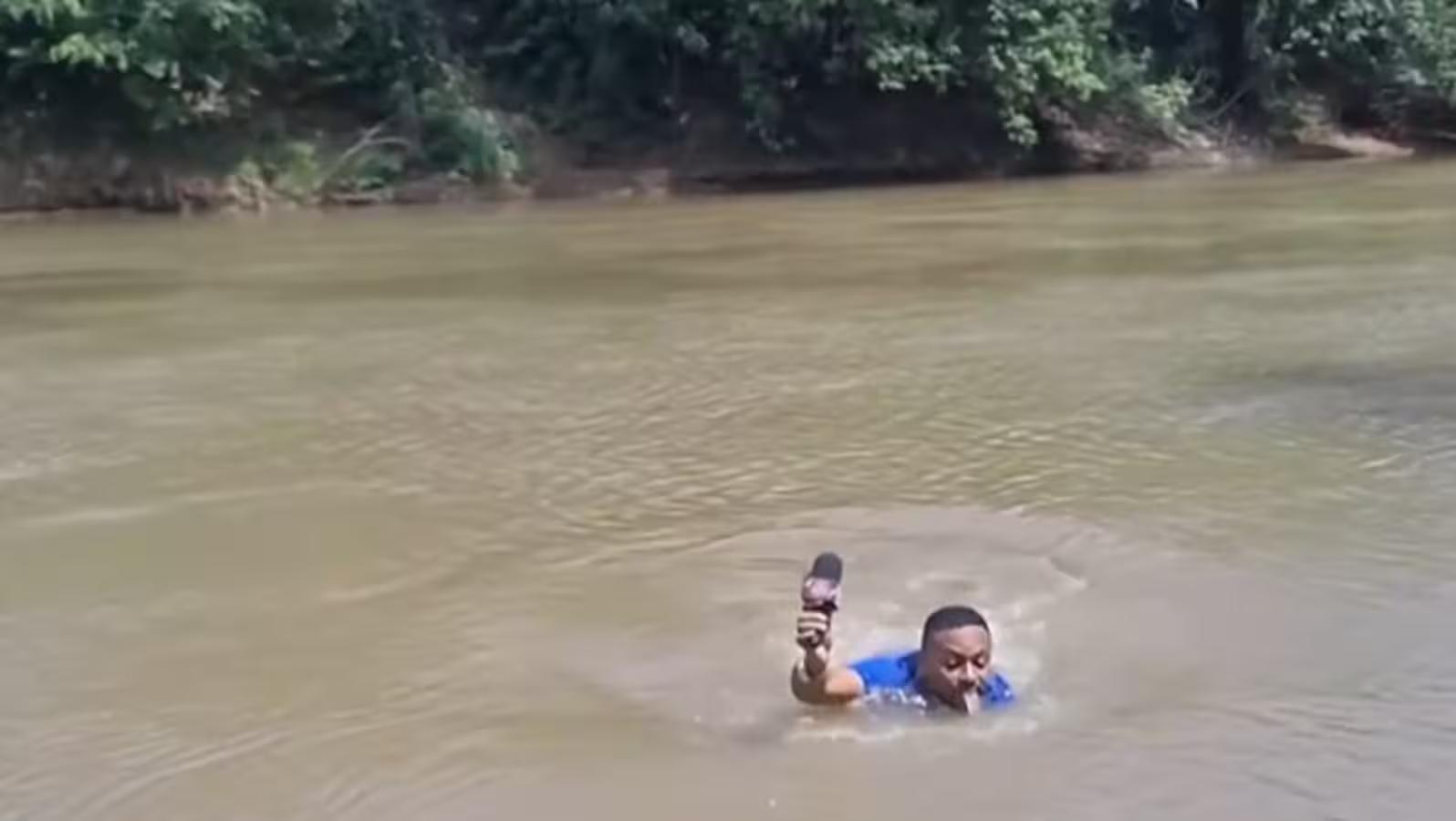
In an incident that has sent shockwaves across social media and news outlets worldwide, a Brazilian journalist accidentally stepped on the body of a missing girl while covering her disappearance. The event, captured on camera and rapidly spreading online, underscores the unpredictable and often perilous nature of live journalism, especially in sensitive situations involving human tragedy.
This unfortunate mishap unfolded in the midst of a live news report on the girl’s disappearance. While the journalist was reporting from the site of the search, the camera caught a chilling moment where the journalist’s foot made contact with what appeared to be a body lying on the ground. Despite the apparent shock and immediate concern from viewers, the incident highlighted the chaotic environment often accompanying on-the-ground reporting during sensitive cases.
Details of the Incident
The coverage was initially intended to bring public attention to the ongoing search for the missing girl. However, as the journalist navigated the scene, unforeseen circumstances led to the tragic accident. The body was unrecognized at the moment, hidden by debris or foliage, but as the footage went viral, it became painfully clear that the journalist had inadvertently stepped on the victim.
The incident was reported by several news outlets, including News18, NDTV, Hindustan Times, and The Economic Times, which detailed not only the event but also the emotional and ethical implications involved in such reporting. It is a stark reminder of the risks journalists face when covering crime scenes or tragic events firsthand.
Public and Official Reactions
The incident prompted an outpouring of reactions from the public, media professionals, and authorities alike. Many expressed shock at the unexpected and tragic turn of events, emphasizing the importance of sensitivity and preparedness when covering such stories.
Law enforcement officials and investigation authorities have since taken note of the incident, stressing the need for careful coordination during field coverage to prevent such accidents in the future. There’s also a broader discussion on the responsibilities of journalists to maintain dignity for victims and families, even while striving to inform the public in real-time.
The Role of Live Reporting and Ethical Considerations
This case underscores the fine line that journalists walk between providing real-time coverage and respecting the dignity of victims. Live reporting, while invaluable for transparency and immediacy, can sometimes lead to unforeseen complications, especially in chaotic or emotionally charged environments.
Media outlets and professionals are now being urged to adopt stricter protocols for coverage of sensitive events. This includes thorough briefings on scene safety, the mental health impact of traumatic coverage, and ethical standards to prevent sensationalism. The incident has also sparked debates about the limits of live broadcast journalism and the importance of human dignity, particularly when the subject of coverage is a tragic loss of life.
Lessons Learned and Moving Forward
While the incident was undoubtedly a tragic mistake, it provides several lessons for the journalism community:
- Preparedness and Safety: Journalists should receive comprehensive training on scene safety and situational awareness before reporting, especially in crisis situations.
- Ethical Responsibility: Maintaining sensitivity to victims’ families and avoiding sensationalism should be a priority in live coverage.
- Coordination with Authorities: Close collaboration with law enforcement and emergency responders can help journalists navigate scenes more safely and respectfully.
- Technological Measures: Using remote or stabilized cameras might reduce the risk of accidental contact with victims or evidence on the ground.
The incident also raises broader questions about the role of media in such tragedies. How can journalists balance the need for immediacy with the imperative to respect human dignity? How can news organizations implement stricter guidelines without compromising the integrity of live reporting? These are essential discussions that the industry must engage in moving forward.
The Human Side of the Tragedy
Beyond the technical and ethical discussions, at the heart of this incident is a profound human tragedy. The missing girl’s family and community are likely devastated by the revelation of her remains, and the media coverage—although inadvertently—has brought her story to the forefront. This serves as a reminder that behind every news story is a human life, a family suffering loss, and a community seeking closure.
While media coverage aims to inform and sometimes galvanize action, it must be handled with compassion and respect. The accidental contact with the victim’s body reminds us of the fragility of such situations and emphasizes the importance of sensitivity and ethical responsibility in journalism.
Conclusion: An Unfortunate Reminder
This tragic incident is a stark warning of the unpredictable dangers faced during live field reporting. It highlights the necessity for comprehensive training, ethical standards, and close cooperation with authorities to ensure that journalism continues to serve its vital role without compromising human dignity.
As the investigation continues and the community mourns, the media’s role remains crucial—not just in bringing stories to light but also in respecting and preserving the dignity of those affected. The incident serves as a somber reflection on the responsibilities of journalists and the importance of preparedness in the face of unpredictable tragedies.
For more updated news please keep visiting Hourly Prime News.