

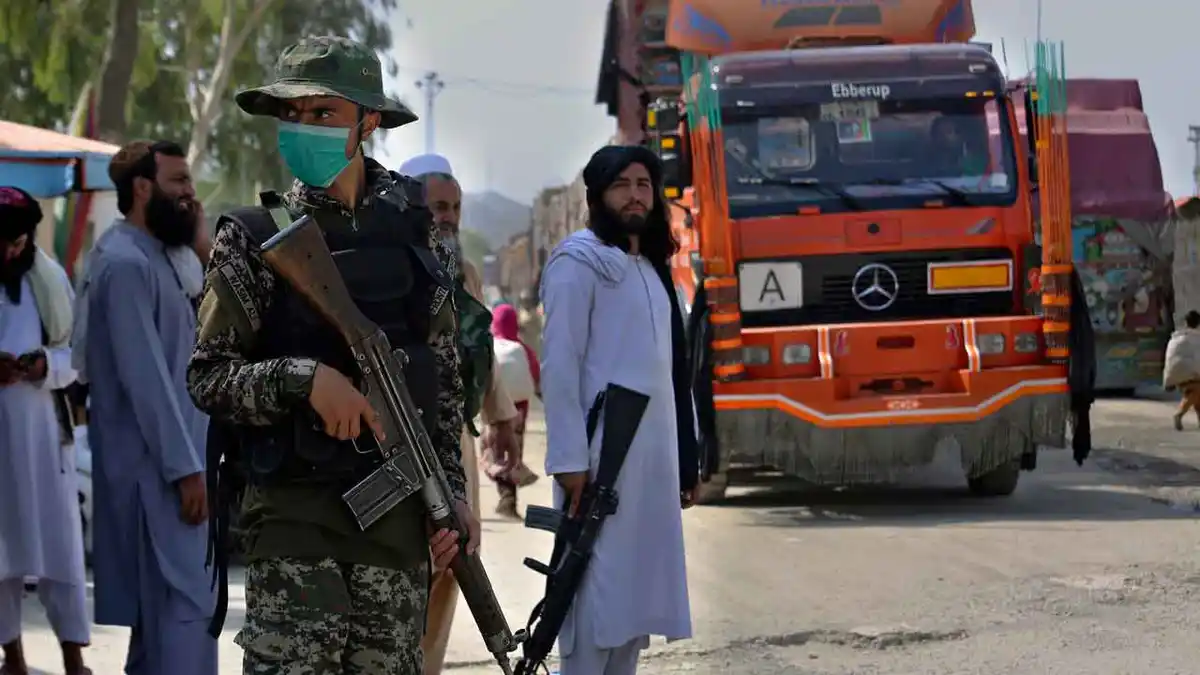
The geopolitical landscape between Afghanistan and Pakistan has been increasingly tense over recent months, with escalating border conflicts leading to significant economic repercussions. The recent spate of clashes has not only affected diplomatic relations but has also crippled trade activities essential for regional stability and economic prosperity. The reported losses have reached approximately $200 million, highlighting the grave impact of these hostilities on livelihoods and bilateral cooperation.
Escalating Border Tensions and Blame Game
As border clashes intensify, Afghanistan has publicly accused Pakistan of being responsible for border closures and aggressive acts that disrupt normal trade flow. According to reports, Kabul claims that Islamabad’s military operations and restrictions have severely hampered cross-border movement. These closures have led to widespread concern among traders and policymakers about increased instability in the region.
An article from The Times of India details how Afghanistan blames Pakistan for recent border shutdowns, emphasizing that such disruptions threaten economic ties and regional peace. The tensions are not merely diplomatic but have tangible effects on supply chains, businesses, and the livelihoods of thousands dependent on cross-border commerce.
- Trade disruptions have caused an estimated loss of $200 million.
- Pakistan’s border closures are viewed by Afghanistan as a tactic to assert control and influence, further escalating tensions.
- The ongoing hostilities have increased concerns about the potential for wider conflict, affecting neighboring regions as well.
Impact on Trade and Commerce
Border closures and clashes have had a disproportionate impact on trade routes that are vital for Afghanistan’s imports and exports, especially goods passing through Pakistan’s border crossings. Traders faced with uncertainty have scrambled for alternatives, often resorting to longer, more expensive routes which delay deliveries and raise costs.
According to findings from NDTV, Afghanistan’s Taliban leadership has set a three-month deadline for traders to cease relying solely on Pakistani routes, urging them to pursue alternative paths. This directive underscores the urgency to diversify trade routes, diminish dependence on Pakistan, and enhance regional connectivity through other neighboring countries.
However, such measures are easier said than done, given the lack of readily available infrastructure and geopolitical constraints. Traders now face the daunting challenge of identifying reliable and cost-effective alternative routes across Central Asia or via Iran, which may not always be feasible or efficient.
Furthermore, the persistent border conflicts threaten to destabilize already fragile markets in Afghanistan and surrounding regions, further discouraging foreign investment and economic growth prospects.
Afghanistan’s Push for Alternative Routes
In response to Islamabad’s border policies, Afghanistan’s Taliban government has made it clear that they are seeking to reduce dependence on Pakistan for trade purposes. As reported by News18, Taliban officials have announced a deadline of three months for traders to find and establish alternative routes for their commercial activities. This move aims to bolster Afghanistan’s sovereignty and reduce the leverage that Pakistan currently enjoys over Afghan trade.
Such efforts include exploring trade corridors through Iran and Central Asian countries, and developing infrastructure to facilitate trade outside of Pakistan’s territory. However, these initiatives are still in the nascent stages and face hurdles such as political stability, logistical challenges, and regional cooperation complexities.
Ongoing border disputes and the hostile environment further complicate these efforts, but Afghanistan remains committed to establishing a more autonomous trade network, which could eventually shift regional dynamics and economic dependencies.
Regional Implications and Strategic Dynamics
The border clashes are not just bilateral issues but have broader implications for regional security, economic stability, and geopolitical alliances. As Afghanistan seeks to forge new trade pathways, neighboring countries like Iran, Turkmenistan, Uzbekistan, and Tajikistan are increasingly involved in discussions about regional transit and connectivity projects.
Several reports, including one from The Sunday Guardian, reveal that Afghanistan accuses Pakistan of undermining peace efforts and maintaining policies that hinder regional cooperation. Kabul’s stance is increasingly that Islamabad’s actions are not conducive to peace, stability, or economic development.
Meanwhile, Pakistan maintains its security concerns and blames militant groups operating along the border for exacerbating hostilities. This ongoing blame game fuels instability and hampers diplomatic resolution efforts.
Countries in the region are now weighing potential strategic partnerships to bypass contentious borders, with some advocating for the development of trans-Afghan trade routes and regional economic corridors, such as the China-Pakistan Economic Corridor (CPEC) and the Central Asia Regional Economic Cooperation (CAREC) program.
Future Outlook and Challenges
The current trajectory indicates a challenging path ahead. While Afghanistan is actively seeking alternative routes, the success of these initiatives depends significantly on regional cooperation, security assurances, and infrastructural development. The border clashes have underlined the fragility of current arrangements and the urgent need for diplomatic engagement to prevent further economic and human losses.
Moreover, the trade losses – estimated at around $200 million – highlight how conflict directly harms economic stability, undermining development efforts in both Afghanistan and Pakistan. Policymakers must recognize that sustainable peace and commerce are intertwined, and long-term solutions require dialogue, trust-building, and regional collaboration.
As Kabul pushes for independence from Pakistan’s trade routes, Pakistan’s government also faces internal and external pressures to maintain stability and security along its borders. The international community’s role in mediating peace talks and fostering regional cooperation remains crucial during this turbulent period.
In conclusion, the border clashes between Afghanistan and Pakistan have far-reaching consequences beyond immediate security concerns, impacting regional economic integration and development. The ongoing conflict emphasizes the need for diplomatic solutions and investments in infrastructure to pave the way for peace, stability, and prosperity.
For more updated news please keep visiting Hourly Prime News.