

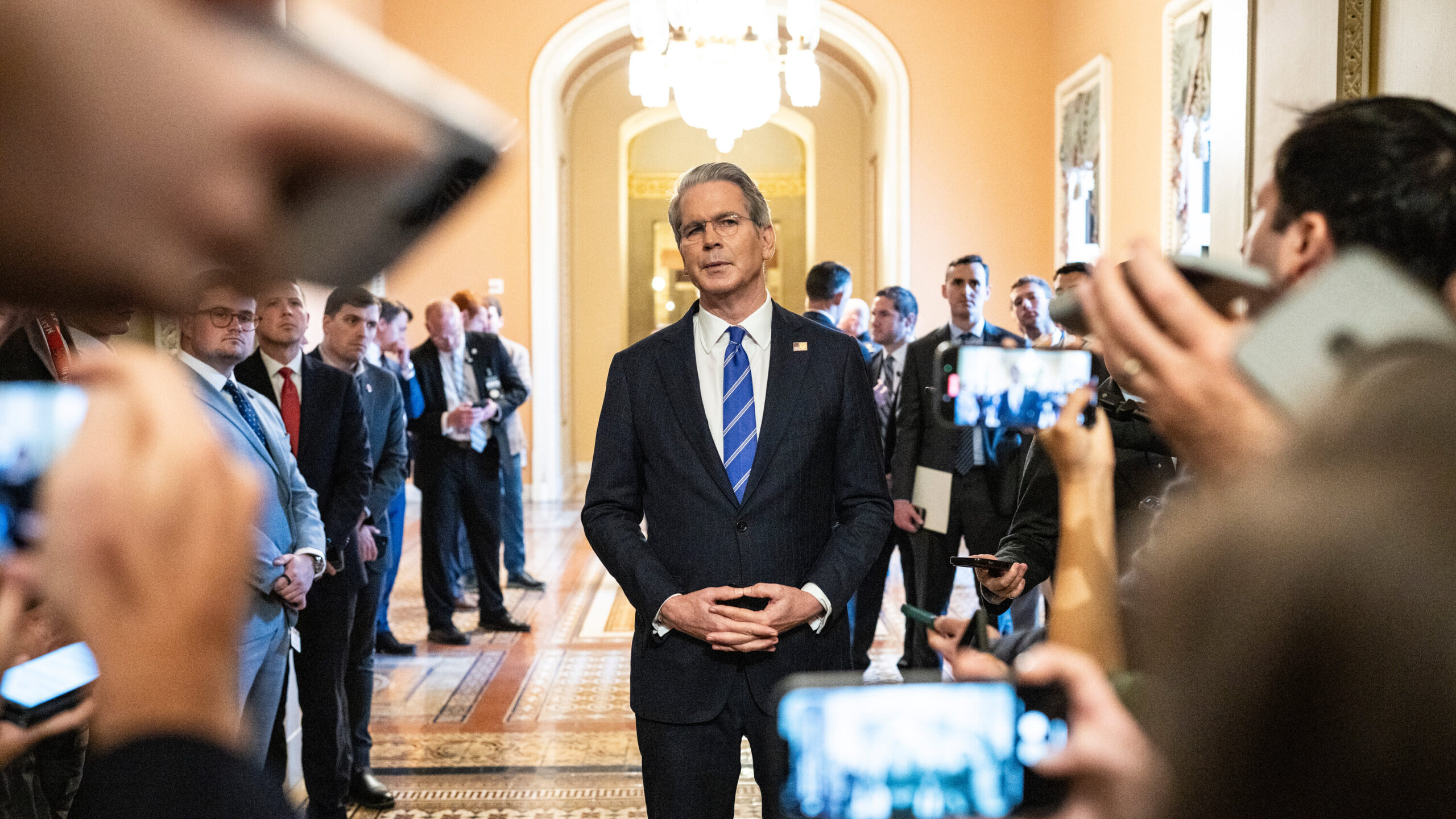
In recent weeks, the race to determine the next Chair of the Federal Reserve has been heating up, sparking significant debate among policymakers, markets, and political figures. Among the key personalities shaping this discourse is Bessent, who has notably voiced resistance to former President Donald Trump’s bold demands for specific candidates to fill the coveted Fed chair position. This resistance has added a layer of complexity to an already volatile situation, leading to increased market jitters and uncertainty about the future direction of U.S. monetary policy.
Trump’s Influence and Market Instability
Donald Trump has been unambiguous in his desire to influence the Fed’s leadership. Reports indicate he has put forward a shortlist of favored candidates, including individuals like Kevin Hassett, Christopher Waller, and Kevin Warsh. His public preferences aim to sway the Federal Reserve’s decision-making process, which traditionally balances independence and economic stability. However, such overt political interference raises concerns among market watchers and experts who worry that this could undermine the Fed’s credibility and lead to unpredictable policy shifts.
The market’s reaction to this political entanglement has been notably volatile. Investors worry that President Trump’s interference could lead to a politicized Fed, risking inflationary pressures or abrupt changes in interest rates that could destabilize the economy. This heightened uncertainty has increased market jitters, with stock indices experiencing swings as traders react to the evolving narrative around Fed leadership and the broader economic implications.
Bessent’s Stand Against Political Demands
Ricardo Bessent, a prominent figure within the financial circles and a critic of politicized nominations, has publicly challenged Trump’s demands. His stance emphasizes the importance of maintaining the Fed’s independence from political pressures. According to reports, Bessent has explicitly opposed the idea of political figures dictating the Fed’s leadership choices, warning that such actions could have long-term detrimental effects on the economy.
In his statements, Bessent argued that the credibility of the Federal Reserve hinges on its ability to make decisions based on economic data and expertise, not political favoritism. He highlighted the risk that politicization could undermine public trust and introduce volatility that hampers economic growth and stability.
Implications of Bessent’s Resistance
- Market Confidence: Bessent’s stance serves as a call to preserve the integrity of the Fed, which is vital for maintaining investor confidence amid turbulent times.
- Political Interference Risks: His resistance underscores the perils of allowing political agendas to influence monetary policy, especially given the market’s sensitivity to such interference.
- Policy Stability: By opposing politicized nominations, Bessent advocates for appointments based on expertise, which can lead to more predictable and effective monetary policy decisions.
Potential Candidates and Trump’s Finalists
While Bessent takes a firm stand, the landscape remains crowded with potential appointees. Recent reports from sources like Moneycontrol have detailed the finalists and speculations surrounding the appointment process.
According to these reports, President Trump reportedly considers individuals like Hassett, Warsh, and Waller as his top choices. Their backgrounds vary from economic advisors to former Federal Reserve officials, each bringing distinct perspectives and policy philosophies. The decision on who will ultimately be appointed remains shrouded in political negotiations, market implications, and the ongoing debate about the Fed’s independence.
The Broader Context: Political, Economic, and Market Interplay
The current situation is emblematic of the intricate dance between politics and economics. While presidents and policymakers aim to influence economic policy for partisan or strategic reasons, the Fed’s independence is fundamental to long-term financial stability. The challenge lies in balancing these interests without compromising credibility or provoking market instability.
Key Considerations:
- Market Volatility: As seen with recent fluctuations, markets tend to react sharply to signals of political influence over monetary policy.
- Economic Stability: Experts warn that politicized appointments could lead to unpredictable interest rate decisions, affecting inflation, employment, and growth.
- Public Trust: Maintaining the non-partisan nature of the Federal Reserve is critical to preserving stakeholder confidence domestically and internationally.
What’s Next in the Fed Chair Race?
The landscape remains fluid, with many watching to see how political pressures, market reactions, and internal Fed deliberations unfold in the coming weeks. The challenge will be for the Biden administration and the Federal Reserve to navigate this period carefully, balancing political preferences with the necessity of maintaining economic stability.
Meanwhile, traders and investors continue to monitor every twist and turn, aware that the appointment of the next Fed Chair could significantly influence the trajectory of U.S. monetary policy and, by extension, global financial markets.
Conclusion
The clash between Bessent’s resistance to Trump’s demands and the political pressures exerted on the Fed underscores a fundamental tension in the American economic framework. Ensuring the Fed’s independence, especially amid politicized appointments, is essential for sustainable economic growth and market stability. As the debate unfolds, markets remain on edge, fearing that missteps or undue political influence could derail efforts toward a balanced and resilient economy.
Ultimately, the ongoing saga reveals the importance of safeguarding institutional integrity while managing the expectations of political leaders and market participants alike.
For more updated news please keep visiting Hourly Prime News.