

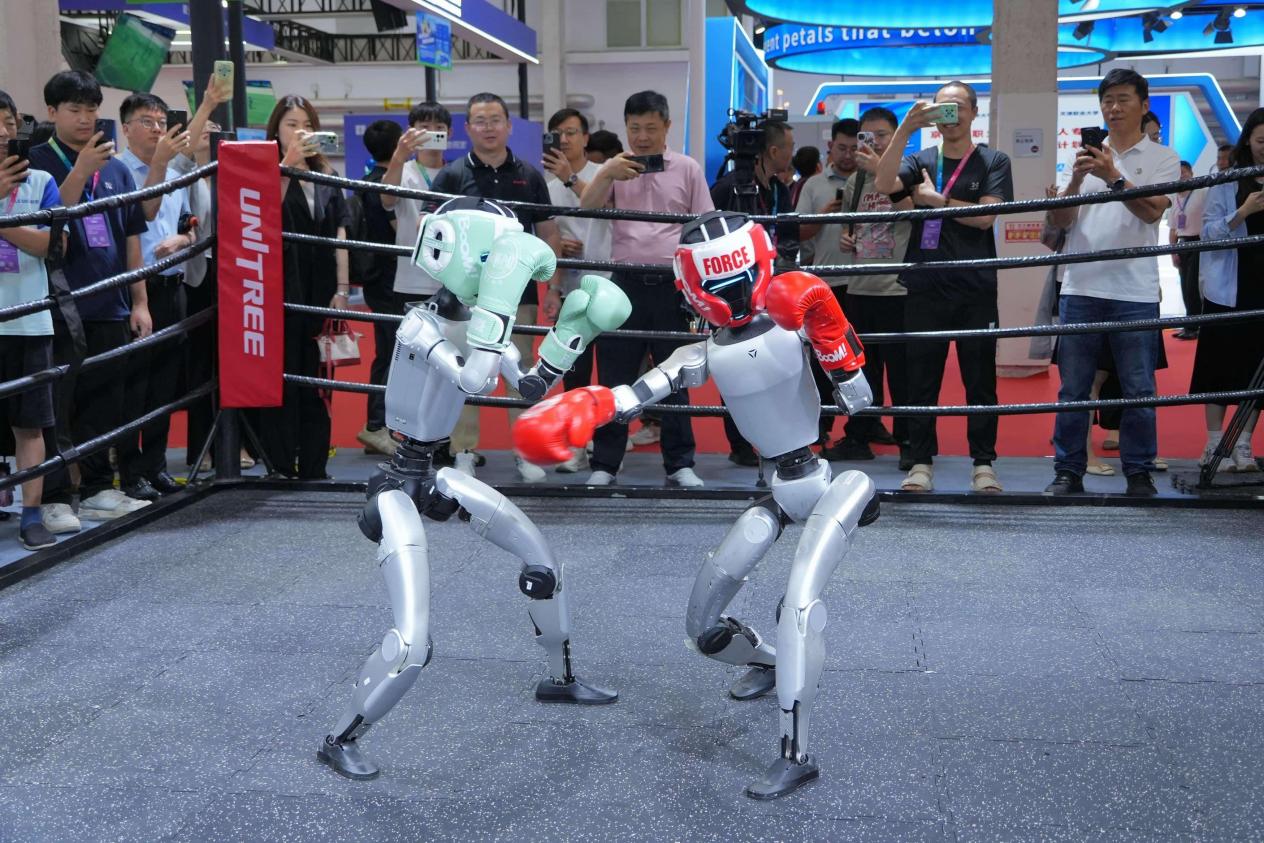
In recent years, Beijing has firmly established itself as a global hub for technological innovation, particularly in the field of robotics. Among the many advancements, the state-of-the-art humanoid robot games held in Beijing have garnered immense international attention. These events not only serve as platforms for entertainment but also as showcases of the latest breakthroughs in robotics engineering, artificial intelligence, and human-computer interaction. This article explores how these groundbreaking games highlight Beijing’s technological prowess and the future trajectory of humanoid robotics.
The Rise of Humanoid Robots in Beijing’s Tech Landscape
Over the past decade, humanoid robots have transitioned from experimental prototypes to sophisticated machines capable of performing complex tasks. Beijing’s tech companies, research institutions, and startups have been at the forefront of this revolution, continuously pushing the boundaries of what humanoids can achieve. The recent humanoid robot games are a vivid testament to this progress, demonstrating not only the robots’ physical capabilities but also their cognitive and interactive skills.
Highlights of the Humanoid Robot Games
Innovative Robotics Demonstrations
During these competitions, humanoid robots undertake a diverse spectrum of challenges ranging from coordinated dance routines to complex problem-solving and even strategic gameplay. Some of the notable demonstrations include:
- Real-time facial recognition and emotional interaction: Robots can recognize human emotions and respond accordingly, creating more natural interactions.
- Advanced gait and balance control: Many humanoids showcase their ability to walk dynamically over uneven terrains, mimic human gestures, and even perform acrobatics.
- Human-robot teamwork: Teams of robots collaborate to complete tasks, emphasizing scalability and adaptability in real-world scenarios.
- Game-playing capabilities: Robots competing in chess, soccer, and other strategic games, demonstrating expertise in AI-driven decision-making processes.
Technologies Powering These Innovations
The success of these robotic demonstrations is powered by cutting-edge technological developments, including:
- Artificial Intelligence & Machine Learning: Advanced algorithms enable robots to learn from their environment, adapt to new situations, and improve their performance over time.
- Human-Robot Interaction (HRI): Enhanced sensors, voice recognition systems, and natural language processing allow robots to communicate fluidly with humans.
- Sensor Technologies: High-precision sensor arrays give robots a detailed perception of their surroundings, facilitating nuanced movement and interaction.
- Robotic Hardware & Materials: Lightweight yet durable composite materials and precision-engineered actuators provide robots with agility and resilience.
The Impact of Beijing’s Humanoid Robot Events on Global Technology Trends
Beijing’s humanoid robot games serve as critical catalysts for international technological exchange. They foster collaboration among global scholars, developers, and engineers, driving forward innovative research and development. The events also contribute to shaping future policies around robotics, AI ethics, and seamless human-robot integration.
Fostering Global Collaboration
By hosting these competitions accessible to international teams, Beijing encourages cross-border partnerships. These collaborations involve sharing data, joint research projects, and collective problem-solving initiatives, which accelerate the march towards truly autonomous humanoid robots.
Promoting Ethical and Responsible Innovation
The rapid evolution of humanoid robots raises vital questions about ethics, safety, and societal impact. The Beijing events promote discussions on responsible innovation, emphasizing transparency, safety standards, and the importance of designing robots that complement human life rather than replace it.
Future Prospects and Challenges
While the achievements showcased in Beijing are impressive, several challenges remain as the field advances:
- Energy efficiency: Developing low-power, high-capacity batteries remains a significant hurdle for deploying humanoid robots in real-world applications.
- Autonomy and decision-making: Creating robots capable of nuanced judgment akin to humans in unpredictable environments continues to be complex.
- Cost and scalability: High manufacturing costs hinder mass adoption; making affordable humanoids accessible to broader markets is essential.
- Safety and ethical considerations: Ensuring robots act safely around humans and adhere to societal norms is paramount as they become more autonomous.
Emerging Trends in Humanoid Robotics
Looking forward, several exciting trends emerge from these technological innovations:
- Integration with IoT: Connecting humanoid robots with the Internet of Things will enable smarter environments and seamless automation.
- Emotional Intelligence: Robots with empathetic capabilities will transform customer service, healthcare, and companion roles.
- Autonomous Maintenance and Learning: Robots will increasingly self-maintain and learn new skills without human intervention.
- Personalized Human-Robot Interaction: Customized robots tailored to individual needs and preferences are on the horizon.
Conclusion
The humanoid robot games in Beijing are more than just entertainment; they are a clear indicator of the rapid, innovative strides being made in robotics technology on a global scale. As these machines grow more sophisticated, adaptive, and capable, they promise to redefine various aspects of our daily lives, from industrial automation to personal companionship. The ongoing developments in Beijing demonstrate a vibrant synergy of innovation, collaboration, and responsible growth, paving the way for a future where humanoid robots become integral partners in human society.
For more updated news please keep visiting Hourly Prime News.