

Beijing Floods Disaster Highlights
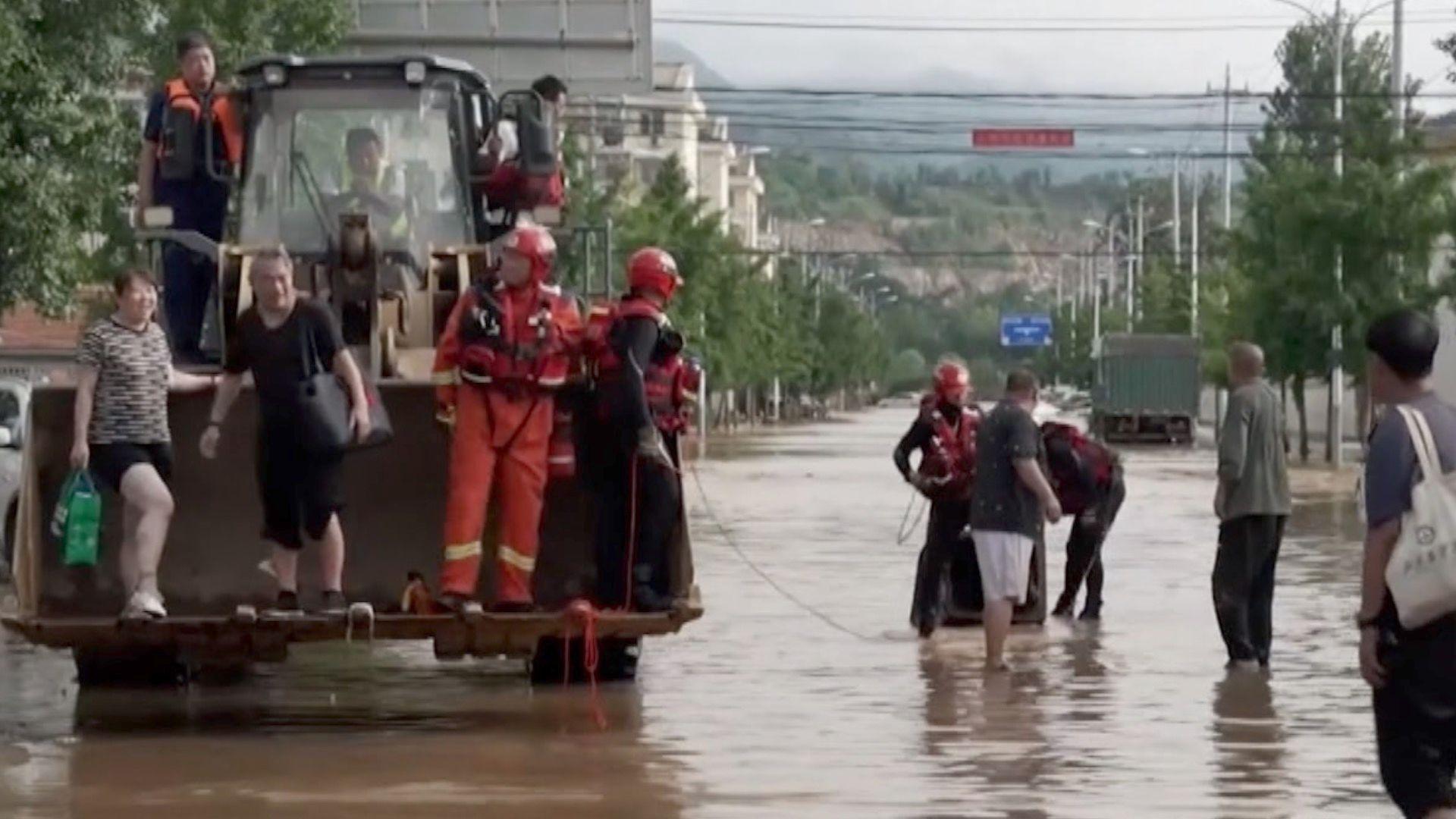
The recent floods that swept through Beijing have left a trail of destruction and heartbreak, claiming the lives of more than 60 people, including vulnerable residents of care facilities. The unprecedented weather events have not only overwhelmed the city’s infrastructure but also exposed glaring gaps in preparedness and response strategies. As heavy rains persisted over several days, the floods ravaged homes, hospitals, and public spaces, creating a humanitarian crisis that authorities and communities are still grappling with.
The Nursing Home Tragedy: A Stark Reminder of Vulnerability
One of the most heart-wrenching aspects of the floods was the tragedy at a local nursing home, where more than 30 residents lost their lives. Reports from BBC highlight the severity of this disaster. With the heavy rains causing water levels to rise rapidly, many elderly residents, some with limited mobility and health complications, found themselves trapped and unable to evacuate in time.
This devastating event underscores the critical importance of emergency preparedness for vulnerable populations. Nursing homes and similar facilities need robust flood response plans, early warning systems, and sufficient resources to ensure the safety of their residents. The tragedy also raises questions about the adequacy of infrastructure investments in protecting those most at risk during natural calamities.
Broader Impact: Thousands Affected by Floodwaters Across Northern China
The floods did not discriminate, extending their reach across various northern regions of China. According to reports from Reuters, at least 60 people have been confirmed dead, with many more injured and displaced. The sheer scale of devastation points to extreme weather patterns becoming more frequent and intense, possibly linked to climate change.
Multiple care homes, residential complexes, and government buildings have suffered damage. The floodwaters inundated streets, submerged vehicles, and damaged critical infrastructure such as power supplies and transportation networks. This widespread devastation has left thousands of residents stranded or in need of urgent aid, emphasizing the vital role of swift rescue and relief operations.
Official Acknowledgment of Preparedness Failings
In a rare admission of shortcomings, Chinese officials have publicly acknowledged their inadequate preparedness for such extreme weather events. As reported by NDTV, authorities recognized the gaps in early warning dissemination and response execution, which contributed to the high casualty toll. The admission indicates a need for systemic reforms and investment in resilient infrastructure, meteorological forecasting technologies, and community awareness programs.
This acknowledgment also opens the door for introspection within governmental agencies about how future risks can be mitigated more effectively—a critical step towards safeguarding lives in an era of increasingly unpredictable weather patterns.
The Human Toll and Societal Response
The human toll of the Beijing floods is profound. Beyond the immediate casualties, many families are grieving their loved ones, and survivors face physical injuries and emotional trauma. Local communities and volunteers have mobilized to provide relief—distributing emergency aid, offering shelter, and assisting with rescue efforts. Nonetheless, the scale of destruction requires sustained support from both government agencies and international aid organizations.
The tragedy also brings to light vital issues related to urban planning and drainage systems. Cities like Beijing, characterized by rapid urbanization and densely built environments, strain under the weight of heavy rainfall. Experts advocate for modernizing drainage infrastructure, implementing green spaces that can absorb excess water, and enforcing stricter construction standards to withstand such extreme weather events.
Lessons Learned and the Way Forward
Several key lessons emerge from this disaster:
- Early Warning Systems Are Critical: Timely alerts can save lives, especially for vulnerable populations in care facilities.
- Infrastructure Must Be Resilient: Upgrading drainage and flood defense systems can minimize damage and casualties.
- Community Preparedness Is Essential: Public awareness campaigns can empower citizens to respond effectively during emergencies.
- Vulnerable Populations Need Special Attention: Care facilities require tailored emergency protocols tailored for high-risk groups.
- Climate Change Is Here to Stay: Governments and communities must adapt to more frequent and severe weather patterns, incorporating climate resilience into urban development planning.
Efforts moving forward must combine immediate relief with long-term strategies to prevent similar tragedies. Investment in meteorological technology, infrastructure upgrade projects, and community engagement are imperative for building a resilient urban environment that can withstand future climate shocks.
The Political and Social Ramifications
The Beijing floods and the subsequent tragedy at the nursing home have sparked widespread outrage and discussions about government accountability and disaster management policies. Critics argue that better planning, infrastructure investment, and transparent communication could have mitigated some of the loss of life. The admission of failings by officials is seen as a critical step towards accountability, but many citizens and advocacy groups continue to call for systemic reforms.
This disaster serves as a sobering reminder that no city, regardless of its wealth or technological advancement, is immune to the forces of nature. The need for proactive, comprehensive disaster preparedness plans is more urgent than ever.
Conclusion: A Call for Action and Reflection
The floods that ravaged Beijing have cast a stark light on the vulnerabilities within urban ecosystems and the human cost of neglecting disaster preparedness. The loss of life, especially among the most vulnerable, underscores the importance of timely action, resilient infrastructure, and community resilience.
As China and other urban centers worldwide face increasingly erratic weather patterns, policymakers, urban planners, and citizens must collaborate to create safer environments. Only through a combination of technological innovation, infrastructure development, transparent governance, and community engagement can future tragedies be prevented.
The Beijing flood tragedy is a somber call to action—a reminder to prioritize human life and social resilience amidst the relentless challenges posed by climate change.
For more updated news please keep visiting Hourly Prime News.