

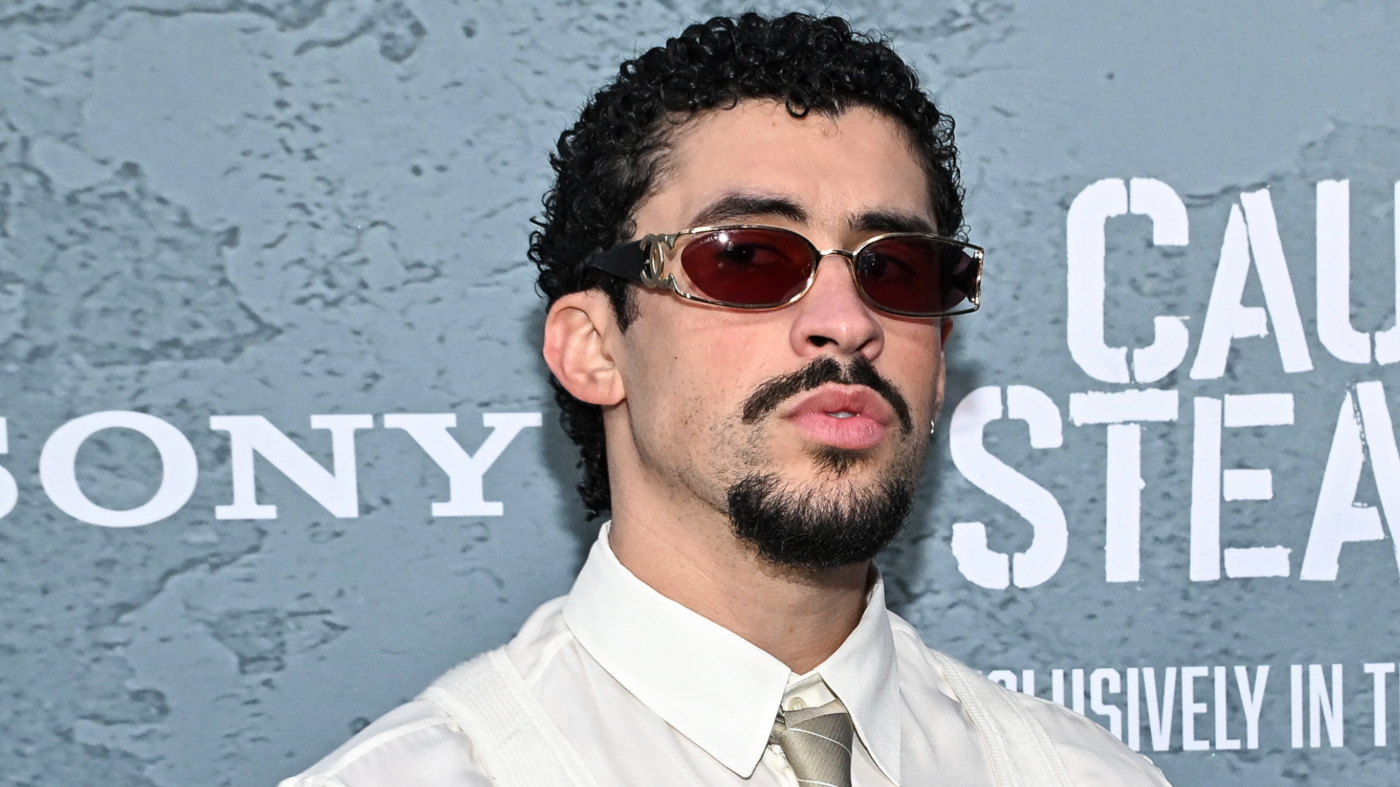
In recent years, the music industry has increasingly become intertwined with political and social issues. One of the most prominent artists to voice his concerns is Bad Bunny, the Puerto Rican reggaeton and Latin trap sensation whose influence has transcended musical borders. Recently, Bad Bunny made headlines not for a new release or a sold-out show, but for his decision to **not** tour the United States this year. This move is rooted in complex political dynamics involving the U.S. Immigration and Customs Enforcement (ICE), a developing story that highlights the intricate relationship between artists, politics, and their fan base.
The Decision Unveiled: Insights from Bad Bunny
Recent Interview Highlights
During an in-depth interview with the El Paso Times, Bad Bunny openly discussed how ICE policies have influenced his decision to pass on touring the U.S. market this year. He emphasized that his choice was not made lightly but driven by ethical considerations, societal concerns, and personal convictions.
In his own words, Bad Bunny revealed, “The policies enforced by ICE have created a difficult environment for many of my fans and fellow artists. I cannot, in good conscience, perform in a country where immigration policies are impacting lives so profoundly.” This statement underscores how deeply societal issues have begun to influence even the most artistically focused careers.
Understanding ICE and Its Impact
What Is ICE and Why Does It Matter?
ICE, or Immigration and Customs Enforcement, is a U.S. federal agency tasked with enforcing immigration laws, combating illegal immigration, and ensuring border security. Over the past few years, ICE has come under scrutiny for its aggressive tactics and policies, particularly those affecting immigrant communities, artists, and fans alike.
Key aspects of ICE policies impacting communities include:
- Increased deportations targeting undocumented immigrants
- Raids in workplaces, neighborhoods, and at events
- Chilling effects on immigrant communities, fostering fear and insecurity
As a result, many artists, including Bad Bunny, have voiced concerns, citing the mental and emotional toll these policies have on their fans, especially immigrant youth who find solace in music and cultural expressions.
Why Does Bad Bunny’s Decision Matter?
Influence of an Artist of His Magnitude
Bad Bunny holds an influential position in the global music scene, notably within Latin America and among Latinx communities worldwide. His decision to avoid touring in the U.S. becomes more than a personal stance—it becomes a powerful statement against policies perceived as unjust.
This move could set a precedent, encouraging other artists to consider their social responsibilities and the ethical implications of their performances. It also brings visibility to broader issues surrounding immigration policies and human rights.
Key reasons why this decision resonates:
- Raises awareness about the impact of ICE policies on vulnerable communities
- Demonstrates solidarity with immigrant populations
- Potentially influences public discourse and policy debates
The Broader Cultural and Political Context
Artist Activism in the Modern Age
Throughout history, artists have used their platforms to advocate for social change. From protest songs to public demonstrations, the role of entertainers has extended beyond entertainment into activism.
In the current climate, where immigration policies are highly debated, artists like Bad Bunny are leveraging their influence to speak out against perceived injustices. His stance aligns with a growing movement of culturally conscious musicians who prioritize social responsibility over commercial gain.
Moreover, Bad Bunny’s decision challenges the traditional expectations of touring artists, highlighting a shift toward values-based actions in the entertainment industry.
Reactions and Repercussions
Public and Industry Responses
While many fans have lauded Bad Bunny for his principled stand, others have debated the practical implications of such a decision. Some critics argue that his absence might impact his tour revenues and his connection with U.S. fans. However, supporters emphasize authenticity and moral integrity over commercial success.
Within the industry, this move has sparked discussions about the responsibilities of artists amid sociopolitical issues. Some see it as a courageous stance, inspiring others to take similar initiatives, while others worry about the economic implications.
This decision also sparks a larger conversation about the role of artists in societal discourse and whether they should prioritize activism over commercial interests.
Looking Ahead: The Future of Artist Activism and Touring
Potential Shifts in the Music Industry
As high-profile figures like Bad Bunny prioritize social issues, the music industry may see a shifting paradigm where ethical considerations influence tours, collaborations, and public appearances. This could encourage a new generation of artists to navigate their careers with social responsibility at the forefront.
Additionally, fans today are increasingly conscious of the social and political implications of their entertainment choices. Transparency and activism could become vital aspects of an artist’s brand, shaping future touring decisions and public engagements.
Ultimately, Bad Bunny’s decision underscores a larger trend: that artists are not just entertainers but influential voices capable of impacting societal change.
Conclusion: A Stand for Justice and Humanity
Bad Bunny’s choice to refrain from touring the US due to ICE policies exemplifies how artists can utilize their platform to advocate for justice and human rights. It demonstrates that music is not just a source of entertainment but also a potent tool for raising awareness and fostering social change.
While the road ahead may pose challenges, such actions can inspire meaningful dialogue and push for policies that uphold dignity and fairness for all. Fans, critics, and fellow artists alike must recognize the importance of aligning personal values with professional pursuits.
As the conversation around immigration and social justice continues to evolve, one thing remains clear: true artistry often involves standing up for what is right, even when it’s difficult.
For more updated news please keep visiting Hourly Prime News.