

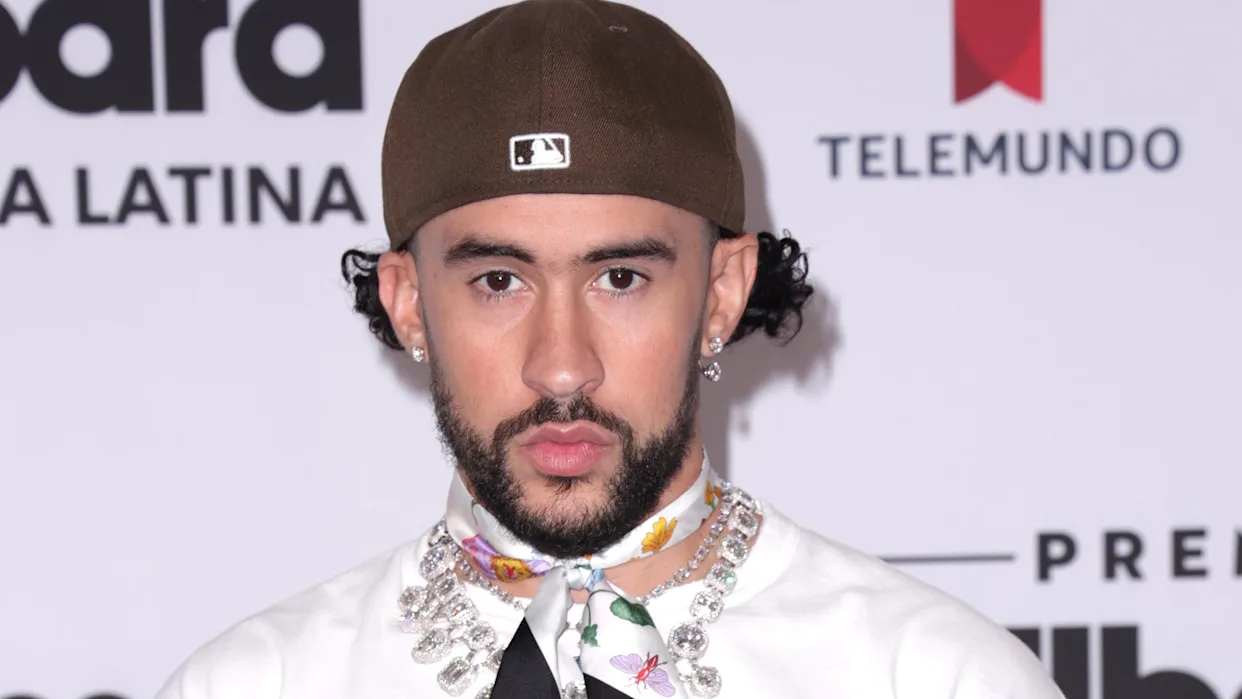
In a bold and principled move, internationally acclaimed Puerto Rican artist Bad Bunny has decided to forgo his scheduled tour in the United States, citing fears related to the Immigration and Customs Enforcement (ICE) agency. This decision has sparked widespread conversations about the intersection of artists’ advocacy, immigration policies, and the responsibilities of public figures in standing up for human rights. Let’s delve into the details of this impactful stance and explore the broader implications of his decision.
Understanding the Context: ICE and Immigration Policies in the US
The Immigration and Customs Enforcement (ICE) is a federal agency responsible for enforcing immigration laws and investigating immigration violations, among other duties. Over the years, ICE has been at the center of controversies surrounding immigration enforcement practices, including concerns over family separations, deportations, and allegations of human rights violations. These policies and practices have left many immigrants and their allies in fear of unwarranted detention or deportation, especially in immigrant-heavy communities.
In recent times, the US has faced intense scrutiny over immigration policies, with many activists and public figures voicing their opposition. For artists like Bad Bunny, whose career and fanbase are deeply rooted in Latinx communities, these policies hit close to home. The fear is not just about individual safety but also about the message it sends to marginalized communities—an environment where expression and freedom are curtailed by enforcement actions.
Bad Bunny’s Decision: Standing Against Immigration Injustice
According to reports from this report from Geelong Advertiser, Bad Bunny publicly announced he would be canceling his US tour dates. His decision was driven by a desire to avoid contributing to a system he believes is flawed and unjust, especially towards immigrant communities.
In his own words, Bad Bunny expressed concern over the possibility of being associated with policies or actions that could endanger his fans or fellow artists. By refusing to perform in a country with policies he condemns, he is making a powerful statement—one that underscores the importance of standing in solidarity with vulnerable populations. This move is not just about music; it’s about human rights and moral conviction.
The Broader Significance of His Stance
Artist as an Advocate
Throughout history, artists and celebrities have used their platforms to advocate for social change. Bad Bunny’s decision continues this legacy, demonstrating how influential figures can leverage their visibility to spotlight critical issues. His stand amplifies the voices of immigrant communities who often feel voiceless within political discourse.
Impact on Fans and Communities
- Symbol of solidarity: His refusal to tour offers a symbol of support for those affected by immigration policies.
- Raising awareness: It encourages fans and followers to think critically about systemic injustices and consider their own roles in advocating for change.
- Influence on the music industry: It might inspire other artists to take similar stands, fostering a culture of activism within the entertainment sphere.
Potential Backlash and Support
While many praise Bad Bunny for his moral stance, such decisions also invite criticism from those who argue that artists should focus solely on their craft. However, in today’s interconnected world, public figures are increasingly judged by their social and political commitments. Bad Bunny’s stance may also open doors to discussions about the ethical responsibilities of artists in times of societal crisis.
Historical Precedents and Similar Movements
Bad Bunny’s decision is reminiscent of other moments in history where artists prioritized moral considerations over commercial interests. For instance:
- Mariah Carey and the No-War Stance: During conflicts, some artists have refused to perform in certain countries or under certain regimes.
- Artists supporting civil rights: The participation of musicians like Bob Dylan, Nina Simone, and others in civil rights movements has historically underscored music’s potential as a vehicle for social change.
Today, Bad Bunny joins this tradition by taking a stand rooted in racial, social, and political justice. His refusal to tour underscores the power of cultural figures to challenge injustice and promote human dignity.
Conclusion: A Bold Statement for Justice and Equity
Bad Bunny’s decision to decline his US tour to oppose ICE policies signifies much more than a canceled concert. It reflects a deep moral conviction and a willingness to use his influence for social activism. As more artists consider similar acts of resistance, society’s conversation around immigration reform and human rights gains momentum. This movement highlights the essential role that cultural icons can play—proving that music and art are not separate from societal issues but integral to fostering empathy, understanding, and change.
In a world where entertainment often seeks to escape reality, Bad Bunny reminds us that standing up for what is right is equally crucial. His act of defiance serves as a beacon of hope for marginalized communities and emphasizes that true artistry involves not just talent, but also moral courage.
For more updated news please keep visiting Hourly Prime News.