

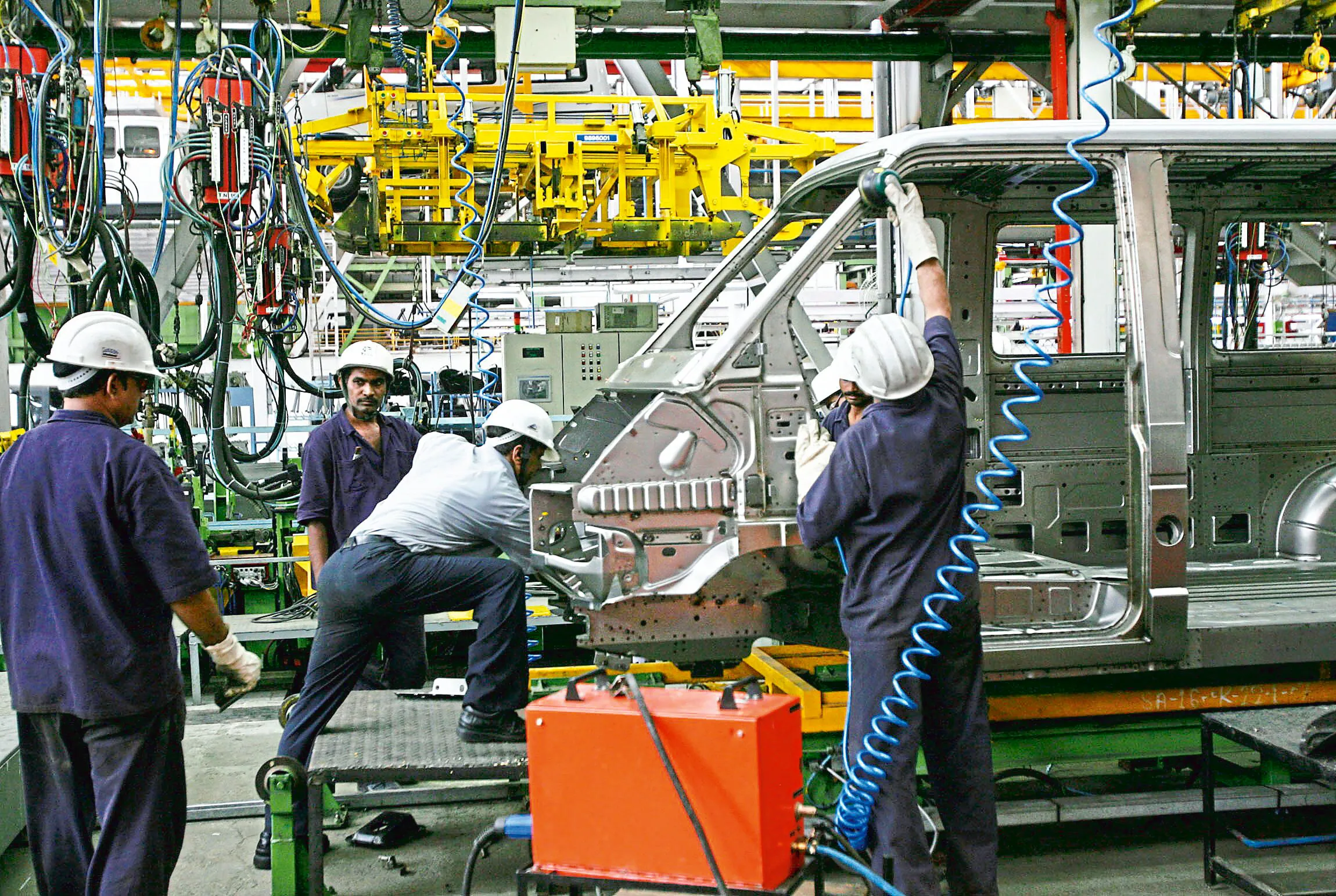
The automotive industry in India, a vital sector fueling the nation’s economic growth and development, is currently grappling with a significant rise in safety risks. Recent reports indicate a startling 35% year-on-year increase in worker injuries, underscoring a pressing need to address safety protocols and foster a safer working environment. This alarming trend not only impacts the well-being of thousands of workers but also raises questions about the sustainability and operational standards within the rapidly expanding automotive manufacturing hubs across the country.
Understanding the Surge in Worker Injuries
The Current State of Safety in the Automotive Sector
According to the Safe in India Foundation Report, recent data reveals a substantial spike in workplace injuries among automotive industry employees. This 35% jump signals underlying issues such as inadequate safety measures, insufficient training, and infrastructural vulnerabilities in manufacturing units. The rise in injuries can be attributed to several interconnected factors:
- Rapid Industry Expansion: As India advances towards becoming a global automotive manufacturing hub, factories often operate at high capacities, sometimes compromising safety standards to meet production targets.
- Inadequate Safety Protocols: Many automotive units lack comprehensive safety guidelines, periodic inspections, and rigorous enforcement, leaving workers vulnerable to accidents.
- Limited Worker Training: The workforce, often comprising low-skilled labor, does not always receive thorough safety training, increasing the risk of mishaps.
- Chaotic Work Environment: Congested workspace layouts, insufficient safety gear, and lack of proper signage contribute to hazardous working conditions.
Implications of Increasing Workplace Injuries
The rising injury statistics cast a shadow over the industry’s growth prospects, highlighting urgent needs for intervention. Workplace accidents can lead to severe injuries, disabilities, and even fatalities, affecting families and creating economic burdens. These incidents also impact manufacturing efficiency, consume healthcare resources, and tarnish the reputation of automotive corporations trying to maintain global standards.
Factors Contributing to the Safety Crisis
Market Dynamics and Growth Pressures
The automotive industry in India has witnessed exponential growth driven by increasing vehicle demand, technological advancements, and government incentives for local manufacturing. While this boom accelerates economic benefits, it also strains existing safety frameworks. Production pressures often prioritize output over safety, inadvertently encouraging risky practices.
Regulatory Gaps and Enforcement Challenges
Despite regulations laid down by authorities such as the Factory Act and OSHA standards, enforcement remains inconsistent. Many small and medium enterprises lack sufficient oversight, allowing unsafe practices to persist unnoticed. The absence of strict penalties and regular audits further exacerbates the problem.
Workforce Composition and Training Deficits
The industry employs a large proportion of migrant and low-skilled laborers who often lack awareness of safety protocols. Limited access to proper training exacerbates their vulnerability, especially when they are assigned complex or hazardous tasks without adequate preparation.
Steps Toward Ensuring Safer Workplaces
Enhancing Safety Protocols and Training
Implementing comprehensive safety measures is paramount. This includes:
- Regular safety audits and inspections
- Mandatory safety gear for all workers
- In-depth training programs focusing on hazard awareness and emergency response
- Display of clear safety signage throughout manufacturing units
Strengthening Regulatory Oversight
Authorities must bolster enforcement mechanisms by conducting surprise inspections and imposing substantial penalties for violations. Encouraging industry certifications that emphasize safety compliance can also elevate standards across the sector.
Investing in Infrastructure and Technology
Manufacturers should invest in modern, safer machinery and ergonomic workspace layouts to minimize accidents. Technology-driven solutions like real-time monitoring systems, safety sensors, and AI-enabled hazard detection can significantly reduce risks.
Promoting a Culture of Safety
Building a safety-first culture requires commitment from management to workers’ well-being. Recognizing safety practices, incentivizing compliance, and fostering open communication channels for reporting hazards are crucial steps.
Industry Responses and Future Outlook
Many leading automotive companies are now acknowledging the severity of this safety crisis. Initiatives aimed at upgrading safety standards, training, and compliance are underway. However, systemic change demands collaboration between industry players, government bodies, and workers’ unions.
Looking ahead, the industry must institutionalize safety as a core value. Embracing technological innovations, strict regulatory enforcement, and a proactive safety culture will be vital in reversing the troubling trend of rising injuries. Only through concerted efforts can the automotive industry ensure that economic growth does not come at the expense of worker safety.
Conclusion
The 35% increase in injuries within India’s automotive sector is a stark wake-up call. As the industry continues its rapid growth trajectory, ensuring the safety and well-being of workers must become a top priority. Addressing existing gaps, enforcing regulations, investing in safer infrastructure, and cultivating a safety-oriented mindset are essential steps toward creating a resilient, responsible, and sustainable automotive industry in India.
Remember, safety is not just a regulatory requirement but a duty towards every worker who contributes to the sector’s success. The industry must act now to protect its most valuable asset — its people.
For more updated news please keep visiting Hourly Prime News.