

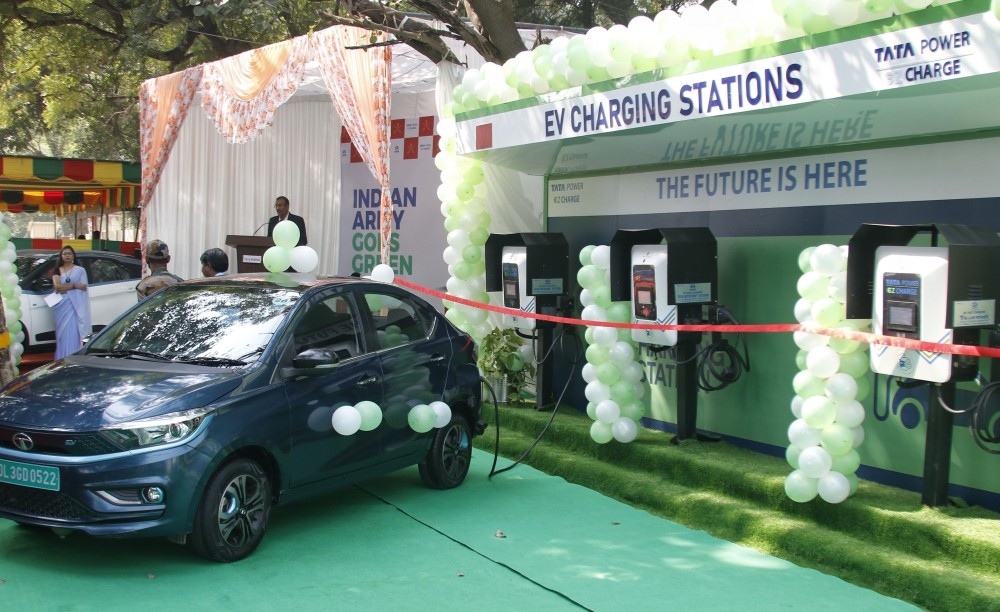
The automotive industry has witnessed a remarkable surge in business activities during the second quarter of the year, with deals worth a staggering $1.3 billion being inked across various segments. This significant development not only reflects the robust recovery of the auto sector post-pandemic but also signals a promising future fueled by innovation, strategic partnerships, and expanding markets.
Overview of Q2 Deal Highlights
The second quarter has been a game-changer for the auto industry, characterized by an influx of substantial deals from domestic and international players. These deals primarily revolve around the following areas:
- Electric Vehicle (EV) Collaborations: Several automakers are entering strategic alliances to accelerate EV manufacturing and charging infrastructure deployment.
- Smart Technologies and Autonomous Vehicles: Investment into research and development for driverless vehicles and connected car systems has seen a marked increase.
- Supply Chain Optimization: Deals aimed at strengthening supply chains to overcome global disruptions and ensure timely delivery of vehicles and components.
- Manufacturing Expansion: Companies investing heavily in expanding production facilities to meet the rising demand.
According to recent reports, these deals transcend traditional boundaries, incorporating technology-driven solutions that are shaping the industry’s future. The total value of such agreements in Q2 highlights a clear shift towards a more innovative and resilient auto sector.
The Drivers Behind the Surge in Deal-Making
1. Growing Consumer Demand for Electric Vehicles
The global push for sustainability has led automakers to prioritize electric mobility. Consumer preference for eco-friendly transportation options, combined with stricter emission norms, is compelling companies to revisit their product portfolios. As a result, substantial investments are being made into EV technology, battery manufacturing, and charging infrastructure. These investments often materialize into multi-billion-dollar deals, directly contributing to the industry’s overall growth.
2. Technological Advancements and Innovation
From autonomous driving to smart connectivity, the auto industry is undergoing a technological revolution. Companies are forging partnerships to share expertise, reduce R&D costs, and fast-track the deployment of cutting-edge solutions. For instance, collaborations between traditional automakers and tech giants are yielding innovative products and services, further driving revenue and market share expansion.
3. Supply Chain Reinforcement
Global disruptions caused by the COVID-19 pandemic exposed vulnerabilities within automotive supply chains. To mitigate risks, firms are engaging in strategic acquisitions and partnerships to secure raw materials, semiconductors, and logistics services. These deals, often of substantial monetary value, are crucial for maintaining production levels and meeting customer demands.
4. Market Expansion and Localization
Automakers are increasingly investing in emerging markets, where rising disposable incomes and urbanization are expanding vehicle demand. Deal-making activities are central to establishing manufacturing units, distribution networks, and after-sales services in regions like Southeast Asia, Africa, and Latin America. These efforts translate into bigger deals and substantial industry growth contributions.
Impact of These Deals on Industry Growth
The $1.3 billion worth of deals in Q2 signifies an industry on a robust growth trajectory. The implications are vast:
- Acceleration of Electric and Autonomous Vehicle Adoption: Financial inflows are enabling companies to speed up the rollout of new models and technologies.
- Job Creation and Economic Boost: Expansion of manufacturing facilities and R&D centers are generating thousands of new jobs, stimulating local economies.
- Competitive Edge and Market Share Improvements: Strategic alliances and mergers are fostering innovation and helping companies secure their positions in an increasingly crowded market.
- Environmental Benefits: Increased investments in green technologies contribute to reduced carbon footprints of vehicles, aligning with global climate goals.
Case Studies of Noteworthy Deals
While numerous deals have contributed to this impressive figure, some stand out for their strategic importance:
Partnerships Focused on Electric Vehicles
A notable example is collaboration between established automakers and emerging EV startups to develop next-generation batteries and charging stations. These alliances are expected to significantly cut costs and improve charging times, making EVs more accessible to consumers.
Investments in Autonomous Driving Technology
Another significant deal involved a major tech giant partnering with a traditional automaker to develop driverless vehicles tailored for urban mobility solutions. Such collaborations exemplify how industry players are converging to revolutionize transportation.
Expansion of Manufacturing Footprints
Several automakers have announced new plants and expansion projects, aiming to increase production capacity to meet global demand. These investments often involve substantial financial commitments in the hundreds of millions or billions of dollars.
The Road Ahead for the Auto Sector
The growth in deal activity during Q2 is a promising indicator of the auto industry’s resilience and adaptability. As technological innovations continue to evolve and consumer preferences shift towards greener mobility options, industry stakeholders are expected to engage in even more strategic partnerships and investments.
Additionally, government policies aimed at reducing emissions and promoting sustainable transport will likely further fuel industry deals. With investments flowing into R&D, manufacturing, and infrastructure, the coming years look set to witness continued growth and transformation in the automotive landscape.
Conclusion
The auto sector’s achievement of securing $1.3 billion in deals during Q2 underscores an industry characterized by dynamism, innovation, and strategic foresight. From advancing electric and autonomous vehicles to reinforcing supply chains and expanding global footprints, these collaborations are pivotal for industry growth. As stakeholders continue to invest and innovate, the automotive industry is poised to redefine mobility for generations to come.
For more updated news please keep visiting Hourly Prime News.