

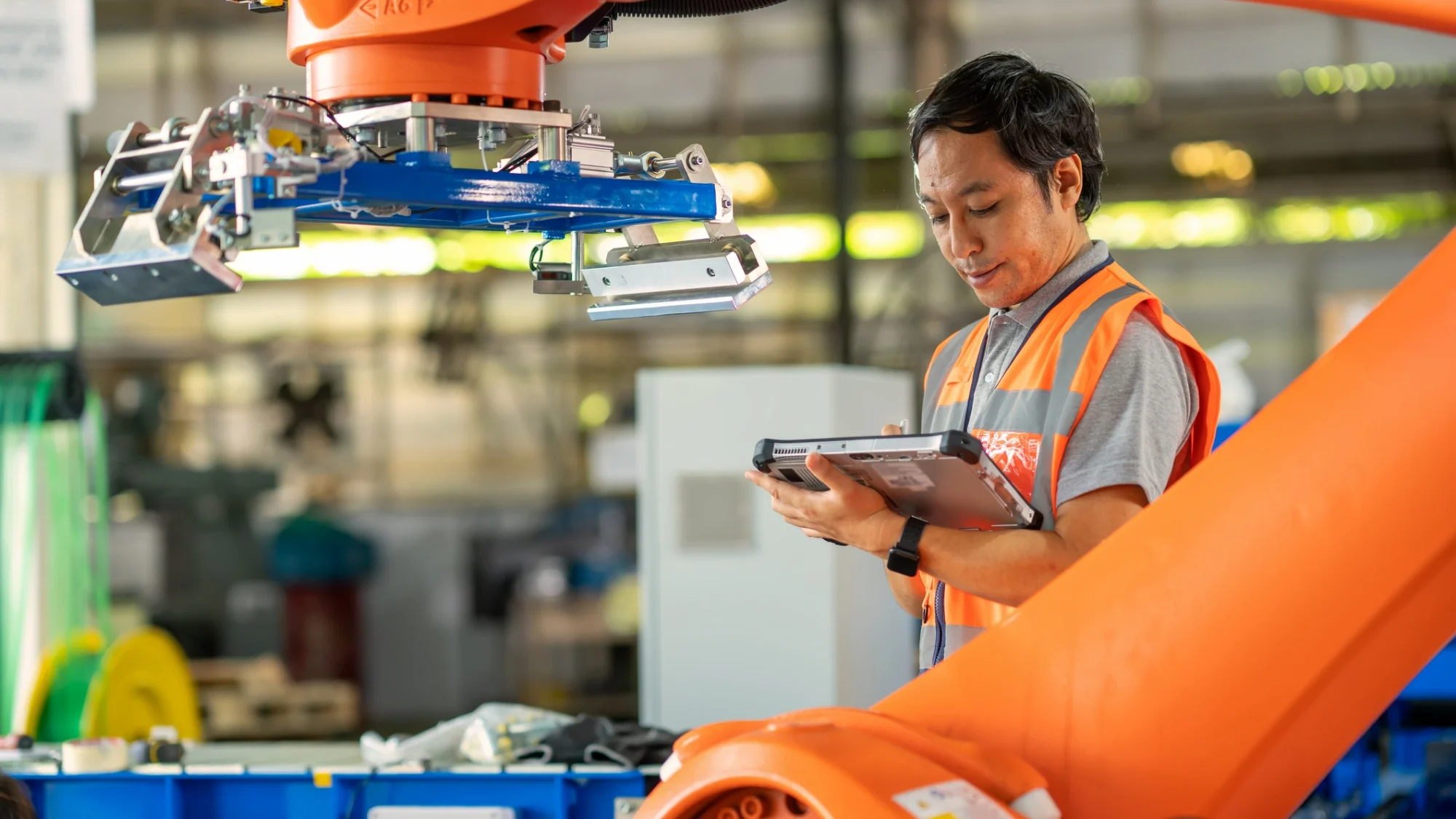
Auto Sector Safety Crisis – A Growing Concern in the Auto Industry
The auto industry has long been a driving force of economic growth and technological innovation. However, behind the shiny exteriors of new cars and high-tech manufacturing lines lies a troubling reality: worker safety is increasingly compromised due to unsafe machinery and a glaring neglect of proper training protocols. Recent investigations and reports, such as the one featured by The Wire, have shed light on the disturbing extent of this issue, calling for urgent reforms and heightened awareness about occupational safety in this sector.
This article delves into the root causes of the safety crisis, examines the prevalence of unsafe machines, explores the lack of adequate training for workers, and discusses the broader implications for the industry and its workforce. Ensuring worker safety is not just a regulatory requirement — it is a moral obligation that impacts productivity, morale, and the reputation of manufacturers worldwide.
The State of Machinery Safety in Auto Manufacturing
One of the most alarming revelations from recent reports is the widespread use of **unsafe machines** in auto production plants. Many factories, driven by cost-cutting measures, are deploying machinery that often lacks modern safety features or regular maintenance.
- Outdated Equipment: Many factories still operate with machinery that was designed decades ago, often without integrated safety mechanisms like emergency stop buttons, protective guards, or fail-safe systems.
- Neglect of Preventive Maintenance: Regular inspections and maintenance are not prioritized, leading to the malfunctioning of critical machinery, increasing the risk of accidents.
- Absence of Safety Interlocks: Unsafe machines often lack safety interlocks that shut down operations when a part of the machine is accessed, exposing workers to potential injuries.
- Overuse and Overloading: Machines are frequently overworked, pushing them beyond design specifications, which raises the likelihood of catastrophic failures.
The consequence of deploying such **unsafe machines** is tragic and immediate — workplace accidents escalate, leading to injuries, sometimes fatal, among workers who are often ill-equipped to protect themselves.
The Lack of Proper Worker Training: A Critical Oversight
While unsafe equipment is a significant factor, the situation is exacerbated by the systematic neglect of **worker training**. According to the report by The Wire, many manufacturing plants skip essential training sessions, leaving workers to operate complex machinery without adequate knowledge of safety procedures.
- Limited or No Training Programs: Workers are often hired without any formal training, especially in smaller or under-regulated factories. As a result, they are unfamiliar with operational hazards and safety protocols.
- Language Barriers and Literacy Issues: A significant portion of the workforce comprises migrant workers or those with limited literacy skills, making standardized training ineffective or inaccessible.
- Lack of Ongoing Education: Even when initial training occurs, continuous education about safety updates or new machinery is almost nonexistent.
- Absence of Safety Culture: Management frequently prioritizes production quotas over safety, fostering a work environment where safety considerations are secondary.
This **lack of training** not only endangers individual workers but also fosters a culture of complacency and neglect, contributing further to accidents and injuries.
Impacts and Implications for the Industry
The safety crisis in the auto sector has far-reaching effects, impacting workers, companies, and consumers alike.
For Workers
Workers bear the brunt of this negligence, facing daily risks that could lead to severe injuries or fatalities. The physical toll, compounded by mental stress and job insecurity, results in diminished morale and productivity.
For Manufacturers
– **Legal and Financial Repercussions:** Several companies face lawsuits, hefty fines, and increased insurance premiums due to safety violations.
– **Reputational Damage:** Public scrutiny rises when accidents occur, tarnishing brand reputation and affecting consumer trust.
– **Operational Disruptions:** Workplace injuries lead to shutdowns, filling production lines with delays and increased costs.
For Industry and Economy
A systemic neglect of safety standards undermines the industry’s sustainability. As automation and robotics are integrated to mitigate human error, the reliance on unsafe machinery or poorly trained operators signals a failure to adapt responsibly.
Root Causes of the Safety Crisis
Understanding the core reasons behind the neglect of worker safety is critical for implementing effective solutions.
- Cost-Cutting Pressures: Factories often prioritize short-term profits over safety, leading to underinvestment in quality machinery and training programs.
- Weak Regulatory Oversight: Lax enforcement of safety standards allows companies to bypass safety measures without facing strict penalties.
- Substandard Supply Chain Practices: Dependency on cheap equipment and contractors who may overlook safety compliance.
- Fast-Paced Production Schedules: The race to meet high production targets leaves little room for safety protocols or maintenance routines.
- Cultural Attitudes: In some regions, there’s a prevalent perception that safety measures are inconvenient or unnecessary, especially among management focused solely on output.
Proposed Solutions and the Road Ahead
Addressing the safety crisis in the auto sector necessitates a multi-faceted approach involving regulators, industry leaders, and workers themselves.
**Key solutions include:**
- Strict Enforcement of Safety Regulations: Governments and industry bodies must enhance compliance checks and impose significant penalties for violations.
- Investment in Safer Machinery: Upgrading outdated equipment with modern, safety-enhanced machines, including safety guards, emergency stops, and automation features.
- Comprehensive Worker Training Programs: Implementing mandatory, ongoing safety training tailored to different literacy levels and languages.
- Creating a Safety Culture: Encouraging management to prioritize safety over sheer productivity, fostering an environment where workers feel empowered to report hazards without fear.
- Transparency and Accountability: Companies should openly communicate safety practices and collaborate with independent safety auditors to ensure compliance.
**Global initiatives** are also essential, where industry stakeholders come together to establish universal safety standards, share best practices, and monitor progress effectively.
Conclusion: Protecting the Backbone of the Industry
The revelations about unsafe machinery and lack of adequate training are a stark reminder that the integrity of the auto industry rests not just on technological innovations but on the safety and well-being of its workforce. As consumers increasingly demand responsibility from corporations, and regulators tighten safety norms, the industry must reassess its priorities.
Ensuring safe working environments is a fundamental right for every worker and a critical component of sustainable industrial growth. Moving forward, embracing technological upgrades, enforcing safety regulations, and nurturing a culture of safety awareness are imperative steps to avert further tragedies.
The crisis demands immediate action. Stakeholders must recognize that operational profits are meaningless if they come at the cost of human lives. It is time for the auto sector to realign its focus towards safety, accountability, and respect for its workforce.
Final Thoughts
The ongoing safety crisis in the auto industry underscores the urgent need for systemic reforms. By addressing unsafe machines and bridging the training gap, companies can foster safer workplaces, improve productivity, and uphold their social responsibilities. Safety should always be at the forefront of operational priorities, not an afterthought.
Let’s commit to driving change — for the workers, for the industry, and for a safer future.
For more updated news please keep visiting Hourly Prime News.