

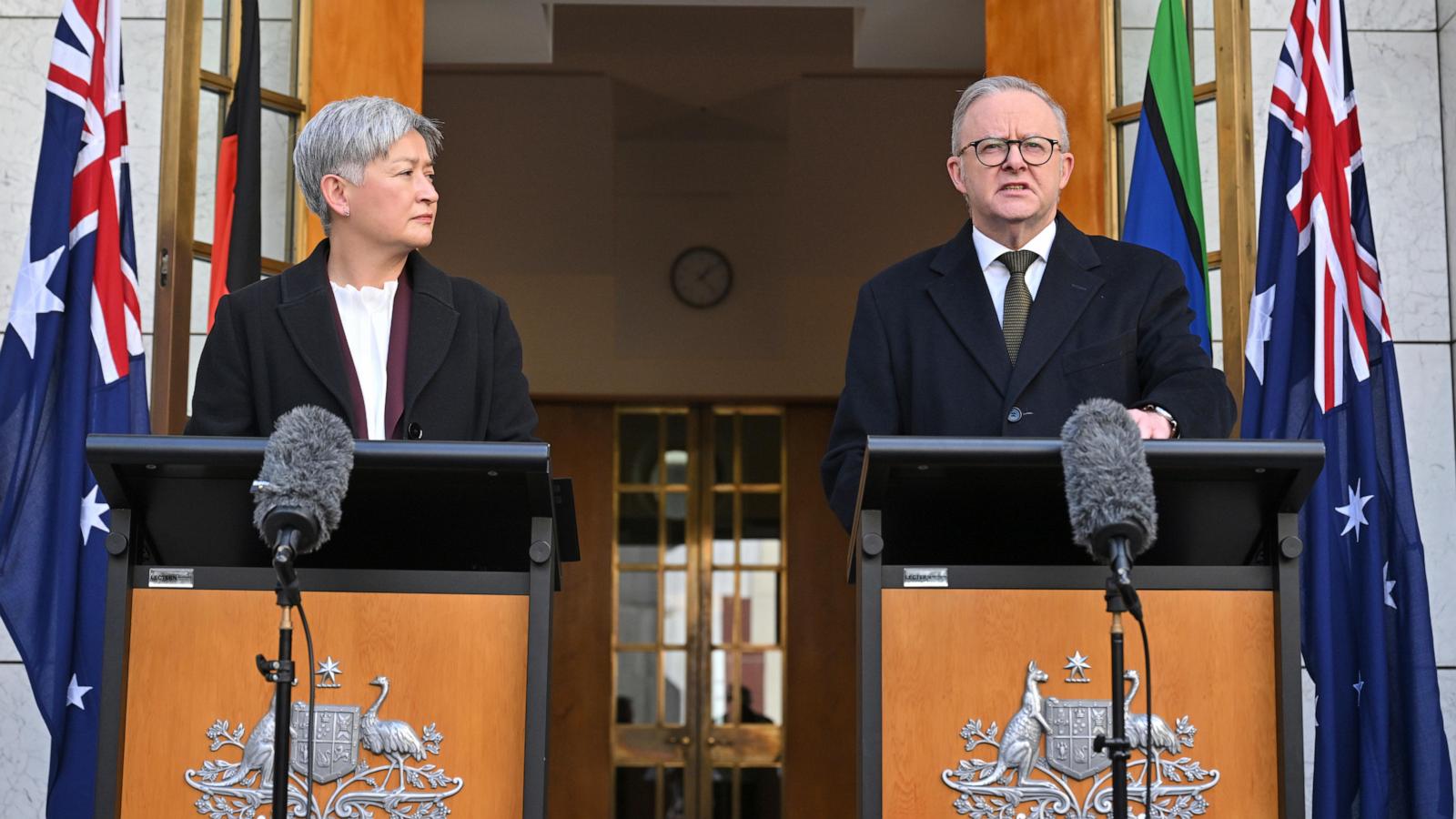
The geopolitical landscape of the Middle East has witnessed a significant shift as Australia prepares to officially recognize Palestine as a sovereign state in September 2023. This move marks a notable development in international relations and the ongoing Israeli-Palestinian conflict, signaling Australia’s evolving foreign policy stance and its support for Palestinian self-determination.
The Context Behind the Decision
The recognition of Palestine by Australia is not a sudden occurrence but the culmination of years of diplomatic considerations, international pressure, and growing support for Palestinian statehood. Historically, Australia’s stance on Israel and Palestine has leaned towards maintaining a careful neutrality, balancing its alliances in the region with its commitments to international law and human rights.
The push for recognizing Palestine has gained momentum amidst increasing global calls for a two-state solution, where both Israel and Palestine can coexist peacefully. Various countries have already extended recognition of Palestine, with over 130 UN member states acknowledging its sovereignty. Australia’s upcoming decision could influence regional dynamics and potentially alter its diplomatic ties and negotiations within the Middle East.
What Does This Recognition Imply?
Official recognition of Palestine entails:
- Diplomatic Relations: Establishing formal diplomatic channels with Palestinian authorities, including the opening of embassies or consulates.
- Legal Sovereignty: Affirming Palestine’s right to govern its territory and exercise sovereignty over its affairs.
- Economic and Humanitarian Support: Potential increases in aid and development projects aimed at Palestinian socio-economic growth.
- Symbolic Political Support: Sending a clear message of backing for Palestinian self-determination and rights on the international stage.
This move could also influence Australia’s relations with Israel, a key regional ally, which has historically opposed unilateral recognition of Palestinian statehood outside negotiated peace agreements.
International Reactions and Implications
The international community’s response to Australia’s decision is expected to be mixed:
- Supporters: Countries and organizations advocating for Palestinian rights view this recognition as a step towards justice and peace.
- Opposition: Israel and some of its allies may perceive this as a challenge to their policies and interests, possibly leading to diplomatic tensions.
Some analysts argue that Australia’s recognition could serve as a catalyst for renewed peace negotiations, urging both parties to engage constructively. Conversely, critics warn of potential setbacks if recognition is not accompanied by a robust peace process, as it might exacerbate regional tensions rather than alleviating them.
The Role of Domestic Politics in Australia
The decision is influenced by domestic political factors as well. Over recent years, there has been a growing movement within Australia advocating for stronger support of Palestinian rights, often driven by diverse communities and advocacy groups. The government’s move to recognize Palestine could be seen as aligning with public sentiment and international moral commitments.
Furthermore, Australia’s recognition reflects a broader trend among Western nations re-evaluating their foreign policies in light of human rights and justice. It may also impact Australia’s election dynamics, with various political parties vying for influence based on their stance towards Middle Eastern affairs.
Potential Challenges and Future Trajectory
While the recognition of Palestine is a landmark step, it is not without challenges:
- Implementation: Establishing effective diplomatic relations and ensuring productive engagement on issues like borders, refugees, and Jerusalem.
- Regional Stability: Managing reactions from neighboring countries and maintaining peace and security in the broader Middle East.
- U.S. and Israeli Responses: The United States and Israel may intensify diplomatic or economic pressures on Australia to reconsider or temper this recognition.
Looking ahead, this development opens pathways for further international recognition and support for Palestinian statehood. It also underscores the importance of international diplomacy in resolving complex conflicts through recognition, negotiation, and mutual concessions.
The Broader Significance of Australia’s Decision
This move signifies more than just a diplomatic gesture; it is a reflection of changing global perceptions and the push for justice in long-standing conflicts. Recognition by major nations like Australia influences the narrative and bolsters efforts toward sustainable peace and coexistence.
Moreover, it emphasizes the principle that sovereignty and self-determination are fundamental rights deserving respect and acknowledgment. Such decisions also serve to remind the international community that peace is built on recognition, dialogue, and mutual understanding.
Conclusion
As Australia prepares to officially recognize Palestine in September 2023, the world watches closely. This historic decision could be a catalyst for positive change, fostering new avenues for diplomatic engagement, peace negotiations, and support for Palestinian aspirations. It also exemplifies the evolving landscape of international relations where moral and human rights considerations increasingly influence foreign policy decisions.
While challenges remain, the recognition sets a vital precedent, reinforcing the global call for a just and lasting peace in the Middle East. It highlights the importance of international solidarity and diplomacy in achieving a fair resolution to decades-long conflicts.
For more updated news please keep visiting Hourly Prime News.