

Introduction: The Global Ripples of U.S. Trade Policies
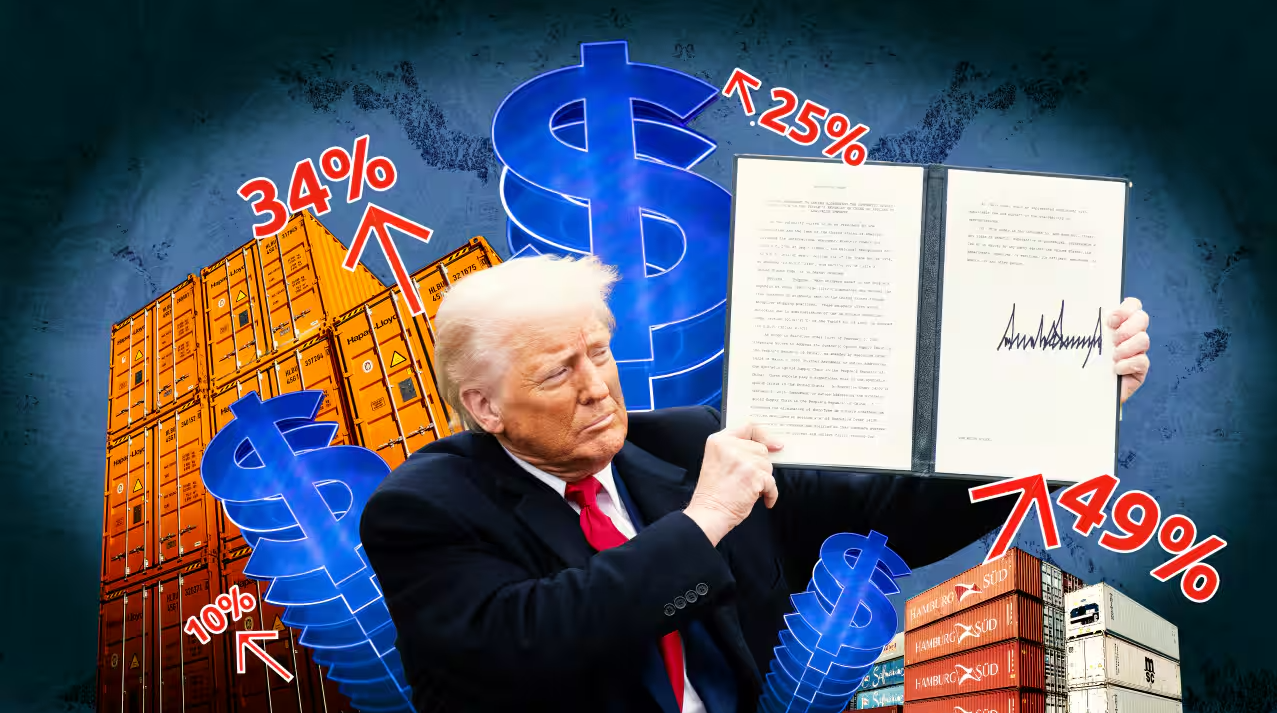
The recent announcement of steeper tariffs by then-U.S. President Donald Trump has sent shockwaves across global financial markets. While the immediate economic implications in the United States stirred considerable debate, the Asia-Pacific region’s markets responded with notable resilience and growth. This counterintuitive reaction highlights the complex dynamics of international trade, investor sentiment, and regional economic strategies amidst evolving geopolitical tensions.
The Immediate Market Response in Asia-Pacific
Following the unveiling of Trump’s tariffs, investors worldwide scrutinized potential fallout. In the Asia-Pacific region, stock markets experienced a rally rather than the anticipated downturn, signaling a nuanced set of market expectations. According to CNBC, “Asia-Pacific markets rise as investors assess Trump’s steep tariffs”. This counter-movement was partly driven by a combination of short-term tactical positioning and broader regional confidence in economic fundamentals.
Factors Contributing to the Market Rally
- Resilience of Regional Economies: Many Asia-Pacific nations have diversified trade partnerships beyond the U.S., reducing direct exposure to America’s tariffs. Countries like South Korea, Australia, and Japan possess robust industries that continue to attract investor confidence, buffering immediate negative impacts.
- Speculative Trading and Market Optimism: Investors often perceive such geopolitical moves as temporary, leading to short-term buy-ins, especially in markets with strong underlying growth indicators.
- Government Interventions and Policy Measures: Several governments in the region have preemptively taken measures to stabilize their markets, including monetary easing and trade diversification strategies, which bolster investor sentiment.
Impact of Tariffs on Trade Dynamics
The tariffs introduced by the U.S. were primarily aimed at China and other trading partners, invoking concerns of a potential trade war. However, in the Asia-Pacific, the response was mixed—some markets viewed the tariffs as a challenge to be navigated, while others saw opportunities to reinforce their trade positions.
Trade Diversification Strategies
Many regional economies have accelerated efforts to diversify their trade relations, reducing dependence on any single partner. For instance, Australia has looked toward expanding trade with Southeast Asia and Europe, while Japan has reinforced its supply chains in response to instability caused by tariffs.
Long-term Perspectives and Investor Sentiment
Despite the short-term optimism, analysts warn of the underlying risks posed by escalating trade tensions. Regional markets have grown increasingly aware of the volatility that trade disputes can induce, prompting a cautious but optimistic outlook among investors.
Key Considerations for Investors
- Monitoring Policy Developments: Continued geopolitical negotiations and tariff implementations might influence market directions. Investors are advised to stay vigilant.
- Focus on Fundamentals: Strong economic indicators and corporate earnings in the region have sustained investor confidence despite external trade threats.
- Regional Cooperation Efforts: Initiatives like the Regional Comprehensive Economic Partnership (RCEP) aim to foster economic integration and mitigate trade disruptions, which positively influence market stability.
The Broader Economic Implications
While markets are currently reacting positively, the broader economic implications remain uncertain. Elevated tariffs could lead to increased costs for manufacturers and consumers, potentially slowing economic growth in the longer term. However, in the short run, the Asian markets’ rally suggests investor optimism about regional resilience and adaptability.
Impact on Key Industries
Several sectors within the Asia-Pacific region stand to be affected differently:
- Manufacturing and Export-Oriented Industries: Companies involved in export-heavy sectors, such as electronics and automobiles, could face hurdles due to rising costs and disrupted supply chains.
- Natural Resources and Commodities: Countries rich in natural resources, like Australia and Indonesia, may benefit from fluctuating commodity prices driven by global trade tensions.
- Financial Services: The banking and financial sectors are seeing increased activity as investors move funds into markets perceived as more stable or opportunistic.
The Role of Geopolitical Strategies
Asia-Pacific nations are not merely reacting passively but actively adapting their strategies to navigate the turbulent trade environment. Initiatives focus on strengthening regional partnerships, developing new markets, and fostering innovation to buffer against external shocks.
Strengthening Regional Alliances
Trade blocs like ASEAN and agreements like the RCEP are increasingly vital. They aim to create a more integrated and resilient regional economy that can withstand external disruptions such as tariffs and trade disputes.
Innovation and Domestic Market Development
Many countries are investing in technological advancements and local industries to reduce reliance on international trade flows affected by U.S. policies. This move not only fosters economic independence but also positions regional economies for future growth.
Conclusion: A Complex Tapestry of Response and Resilience
The rise of Asia-Pacific markets amid the backdrop of Trump’s steep tariffs underscores the region’s complex economic fabric. While immediate reactions buffer optimism and strategic adaptation, long-term impacts remain uncertain. Investors and policymakers alike continue to scrutinize global trade developments, recognizing both the opportunities and risks inherent in this shifting landscape.
Overall, the resilience displayed by Asia-Pacific markets illustrates their adaptive capacity and strategic foresight. As trade tensions evolve, so will the regional responses—balancing short-term gains with long-term stability.
Final Thoughts
The reaction of Asia-Pacific markets to U.S. tariffs highlights a broader narrative of regional strength and diversification. While challenges are inevitable, cooperation, innovation, and strategic planning will remain key to maintaining stability and growth in the face of ongoing geopolitical uncertainties.
For more updated news please keep visiting Hourly Prime News.