

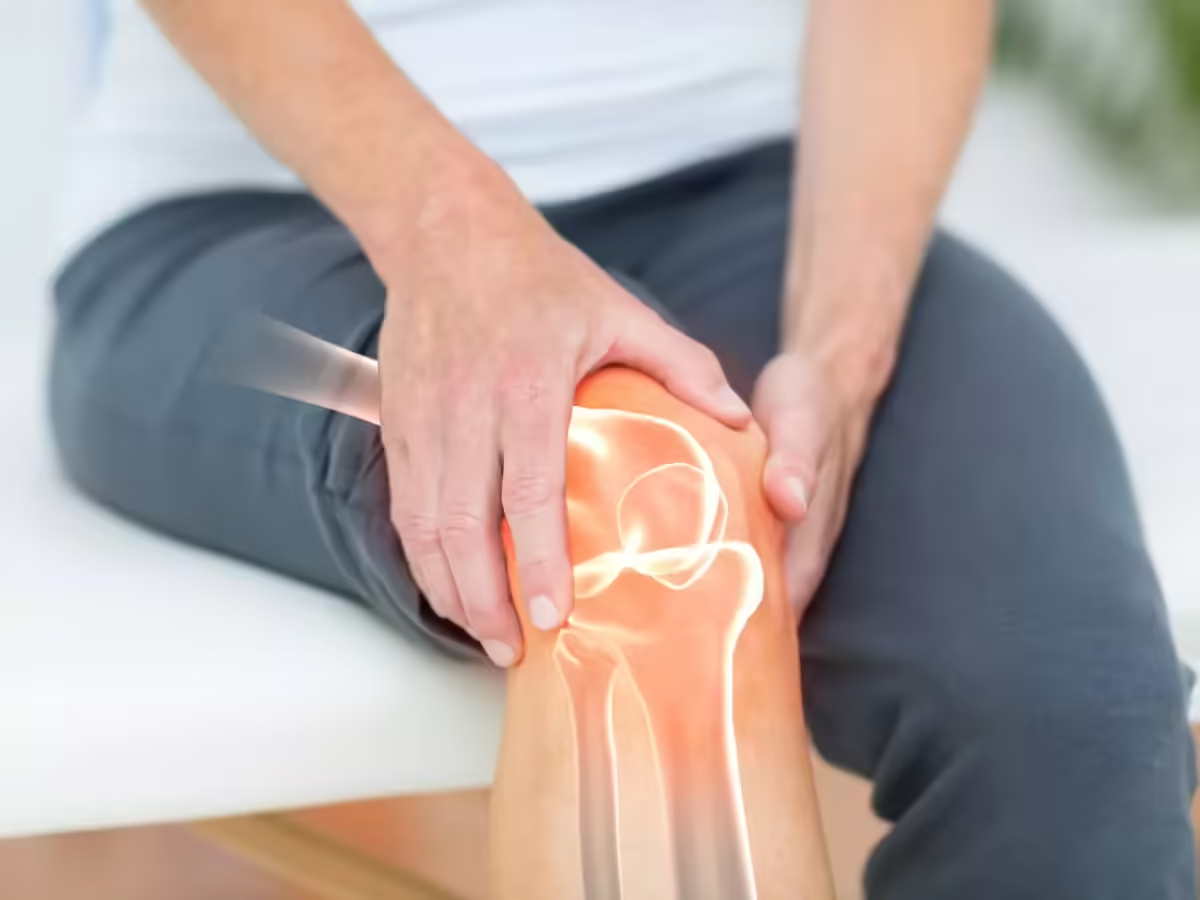
In recent years, India has witnessed a disturbing uptick in cases of arthritis among individuals in their 30s, a phenomenon traditionally associated with older populations. This alarming trend has caught the attention of healthcare professionals and researchers, who warn that the rise of arthritis in young adults signals a silent epidemic that could have long-term repercussions on the workforce and overall quality of life.
Arthritis, often perceived as an ailment of the elderly, is increasingly being diagnosed in young professionals, many of whom are unaware of the risks or early symptoms. This shift necessitates urgent attention, not only from medical practitioners but also from policymakers and employers, to address underlying causes and promote preventive measures.
Factors Contributing to Early-onset Arthritis
Sedentary Lifestyle and Increasing Screen Time
One of the primary contributors to the rising incidence of arthritis among young professionals in India is the increasingly sedentary lifestyle. With a surge in desk jobs, extended hours on computers, and minimal physical activity, joints are under prolonged stress and strain. Continuous sitting can lead to degeneration of cartilage, stiffness, and inflammation, laying the groundwork for arthritis.
Work-Related Stress and Poor Posture
Chronic work stress and improper ergonomic practices further exacerbate joint issues. Poor posture—such as slouching at desks or improper chair height—can cause misalignment and uneven wear of joints, especially in the spine, knees, and wrists. Over time, this can accelerate the onset of degenerative joint conditions.
Unhealthy Dietary Habits and Obesity
Diet plays a significant role in joint health. The shift towards processed foods, high-calorie diets, and sugar-laden snacks among young professionals contribute to weight gain and obesity. Excess weight puts additional pressure on weight-bearing joints like knees and hips, increasing the risk of osteoarthritis.
Stress and Lack of Physical Activity
High-stress levels, common in competitive professional environments, coupled with a lack of regular exercise, weaken muscles that support joints. Muscle weakness can lead to joint instability and increased susceptibility to injury and wear, setting the stage for arthritis development.
Recognizing Early Symptoms
Awareness of early symptoms is crucial for early diagnosis and management. Common signs include:
- Persistent joint pain—especially after activity or during rest
- Swelling and tenderness around affected joints
- Stiffness in the joints, particularly in the morning
- Reduced range of motion in affected joints
- Feeling of warmth and redness around joints
Many young people dismiss these signs as minor or temporary, which can delay diagnosis and aggravate the condition. Medical consultation is essential when symptoms persist beyond a few days.
The Impact of Early-onset Arthritis
Physical and Emotional Consequences
Arthritis at a young age can severely limit mobility and daily activities, leading to frustration and a diminished quality of life. It can also cause emotional stress, anxiety, and depression, especially when work commitments and social lives are affected.
Economic Implications
Persistent joint problems in young professionals can lead to decreased productivity, absenteeism, and high medical expenses. Early-onset arthritis may translate into a lifetime of treatment, medication, and sometimes, surgical interventions, imposing a significant financial burden.
Preventive Measures and Lifestyle Changes
Regular Exercise and Physical Activity
Engaging in low-impact exercises such as swimming, yoga, or brisk walking helps strengthen muscles, improve flexibility, and reduce joint stiffness. Incorporating movement into daily routines can significantly mitigate the risk of arthritis.
Maintaining a Healthy Weight
Weight management through balanced nutrition and regular exercise reduces stress on weight-bearing joints, decreasing the likelihood of degenerative changes.
Promoting Good Posture and Ergonomics
Use ergonomic chairs, maintain correct desk setup, and take periodic breaks from sitting to prevent joint misalignment and strain. Practicing proper posture can help preserve joint integrity over time.
Healthy Diet Rich in Anti-inflammatory Foods
Consuming diets rich in omega-3 fatty acids (found in fish and flaxseeds), antioxidants (fruits, vegetables), and calcium (dairy, leafy greens) supports joint health and reduces inflammation.
Managing Stress Effectively
Stress management techniques like meditation, mindfulness, and adequate rest are vital to maintaining overall health and preventing stress-induced inflammatory responses that can impact joints.
The Role of Medical Intervention
While lifestyle modifications are critical, early diagnosis and medical management are essential. Doctors may recommend:
- NSAIDs for pain relief
- Physiotherapy to improve joint function
- Supplements like glucosamine and chondroitin
- In severe cases, surgical options such as joint replacement
Regular health check-ups and prompt attention to symptoms are key to preventing the progression of arthritis and maintaining an active, healthy lifestyle.
Raising Awareness and Encouraging Prevention
Addressing the rise of arthritis in young professionals requires collective efforts:
- Educational campaigns to inform about early signs and preventive strategies
- Workplace wellness programs promoting physical activity and ergonomic practices
- Policy interventions encouraging healthier lifestyles and work environments
Young adults must be vigilant and proactive in safeguarding their joint health, recognizing that early intervention can make a substantial difference.
Conclusion
The increasing prevalence of arthritis among India’s 30s cohort is a wake-up call that underscores the importance of lifestyle choices, awareness, and early medical intervention. As the workplace evolves with technology and sedentary routines, the onus is on individuals, employers, and healthcare systems to collaborate in curbing this silent epidemic. Prevention through healthy habits remains the most effective strategy to ensure long-term joint health and maintain a vibrant, productive life.
For more updated news please keep visiting Hourly Prime News.