

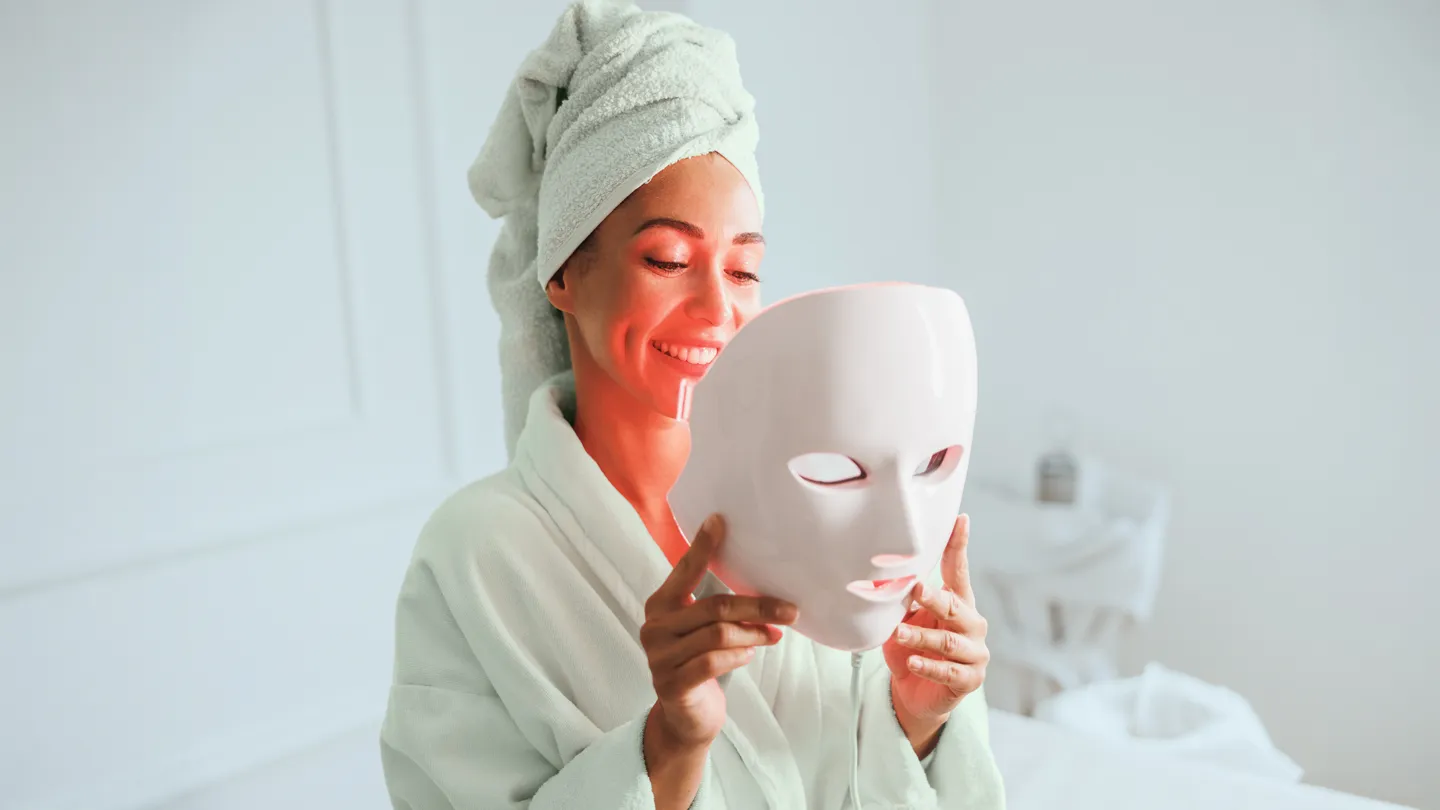
In recent years, **LED light therapy has surged in popularity**, especially with the advent of at-home LED masks that promise glowing, healthier skin from the comfort of your home. Celebrities and skincare enthusiasts alike tout these devices for their supposed benefits—ranging from reducing acne to minimizing fine lines. But as the market becomes flooded with a variety of LED masks, a critical question arises: Are these devices genuinely effective, or are users simply falling for the placebo effect?
The Science Behind LED Light Therapy
LED (Light Emitting Diode) therapy operates on principles established by dermatological research. Professional clinics utilize specific wavelengths of light—such as red, blue, or near-infrared—to target particular skin concerns:
- Red light stimulates collagen production, enhancing skin elasticity and reducing wrinkles.
- Blue light is effective against acne-causing bacteria, leading to clearer skin.
- Near-infrared light penetrates deeper, promoting tissue repair and reducing inflammation.
These treatments, when conducted under professional supervision, have demonstrated measurable results supported by clinical trials. However, the transition from clinical-grade devices to at-home masks raises questions about the accuracy of claims and the effectiveness of consumer-grade products.
What Do Experts Say About At-Home LED Masks?
Insights from Dermatologists and Skin Care Experts
According to Fortis dermatologist Dr. Anjali Mishra, “While LED therapy has proven benefits in professional dermatologist clinics, the efficacy of at-home masks varies greatly. One of the significant factors affecting results is the intensity and wavelength of light emitted by these devices as compared to clinical equipment.”
She further explains, “The placebo effect can play a substantial role in consumer perceptions. When individuals believe a product will work, they are more likely to perceive improvements even if the device’s therapeutic power is limited.”
This sentiment echoes findings from recent studies and expert reviews which suggest that many at-home devices do not deliver the same intensity of light necessary for significant skin transformation. The key is understanding that not all LED masks are created equal.
The Placebo Effect — A Significant Factor
Many experts emphasize the role of the placebo effect. For instance, some users report glowing skin after consistent use of inexpensive LED masks, but scientific evidence doesn’t always support such claims. The **perception of improvement** might come from heightened attention to skincare routines or psychological factors rather than actual physiological changes.
Fortis dermatologist notes, “If someone invests in a device believing it will dramatically transform their skin, their expectation alone can trigger subjective improvements, making them feel more confident or relaxed about their appearance.”
Before purchasing, consumers should recognize that **expectations often influence perceived results**—a classic example of the placebo effect at play.
Celebrities and In Vivo Experiences With LED Masks
Why Are Celebrities Hooked On LED Therapy?
Celebrity endorsements have significantly boosted the popularity of LED masks. Public figures swear by these treatments, often citing rapid skin improvements, which fuels consumer hype. Popular media sources, such as highlight how these figures openly endorse LED light therapy for skin health.
However, it is important to distinguish between personal anecdotes and scientifically validated results. While celebrities likely have access to the best dermatologists and treatments, the general consumer must approach at-home options with a critical eye.
Do At-Home LED Masks Deliver What They Promise?
Clinical Evidence Versus Consumer-Grade Devices
Many leading health portals, such as and , argue that while professional devices can produce noticeable improvements, most consumer-grade masks offer minimal, if any, significant benefit.
“The key is the wavelength, power density, and treatment duration,” explains Dr. Mishra. “Most at-home devices do not deliver sufficient power or accurate wavelengths for effective treatment. Their benefits are often exaggerated by marketing claims.”
Thus, while some users may notice temporary skin relaxation or mild improvements, these are unlikely to be long-lasting or comparable to professional treatments.
How to Approach At-Home LED Masks Wisely
Practical Tips for Consumers
- Invest in reputable brands that provide detailed specifications about wavelength and light intensity.
- Set realistic expectations—these devices may improve skin condition modestly over time but are unlikely to deliver dramatic overnight results.
- Combine LED therapy with a comprehensive skincare routine, including moisturizing, sun protection, and healthy lifestyle choices.
- Consult a dermatologist before starting at-home LED treatments, especially if you have underlying skin conditions or are on medications.
- Be cautious of overly aggressive claims or products that promise instant results or rely solely on marketing hype.
The Bottom Line: Are At-Home LED Masks Worth the Investment?
In summary, the **effectiveness of at-home LED masks remains a topic of debate among dermatologists and skincare experts**. While they can be a useful adjunct in a comprehensive skincare routine, their benefits are often overstated. Believing in their transformative powers without understanding their limitations can lead to disappointment.
Moreover, the psychological component—believing that one is taking active steps toward better skin—can also influence the perception of improvements, which highlights the role of the placebo effect. It is essential for consumers to approach these devices with a healthy dose of skepticism and informed expectations.
Research supports that professional, in-office LED treatments are more effective due to higher light intensity, precise wavelengths, and controlled application. At-home masks, while convenient and less costly, are unlikely to replicate these results unless they meet stringent technical standards.
Final Thoughts: The Future of At-Home Light Therapy
The science community continues to explore the potential of light-based therapies, and technology improvements may make at-home devices more potent and reliable over time. For now, consumers should prioritize evidence-based treatments and consult with dermatologists for personalized recommendations.
Remember, effective skincare is multifaceted; no single device or product can replace a balanced regimen, healthy lifestyle, and professional advice.
For more updated news please keep visiting Hourly Prime News.