

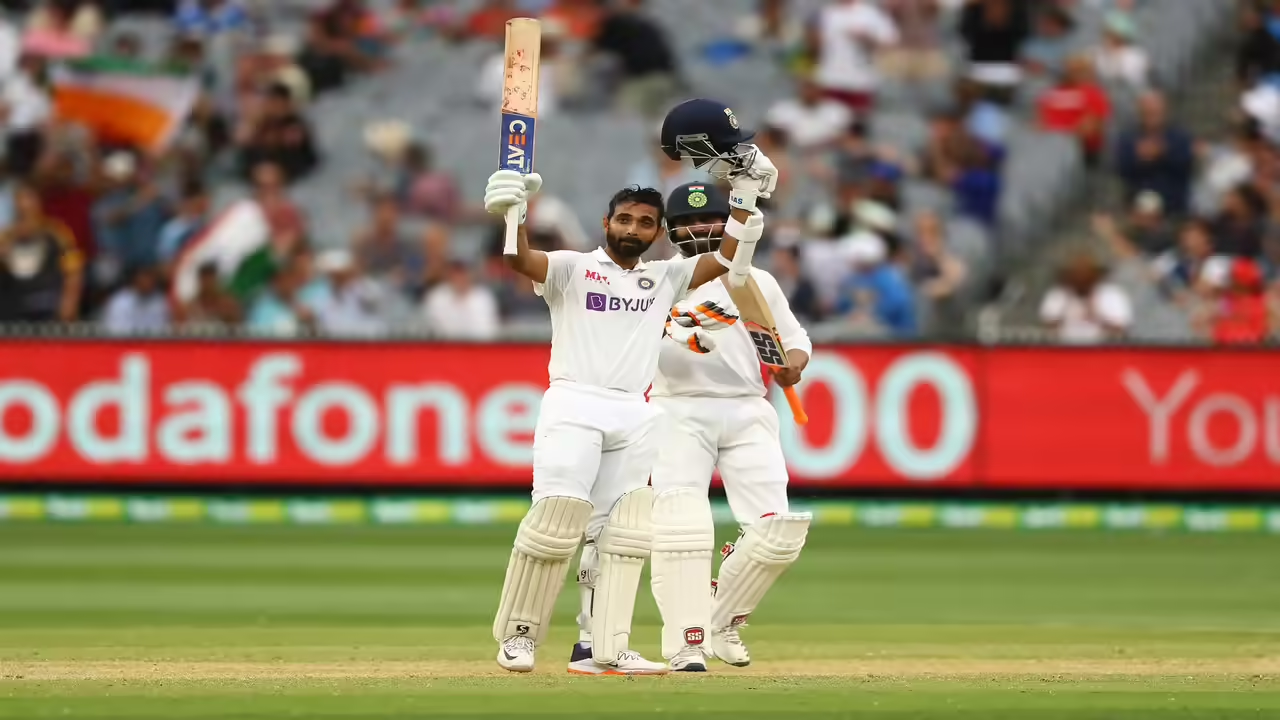
In recent months, the Indian cricket team has been grappling with a persistent challenge that threatens to undermine their batting stability — the chaos surrounding the No.3 position. The importance of this slot cannot be overstated; it often acts as a bridge between the top order and the middle order, setting the tone for the innings. However, the frequent shuffling and inconsistent selection at this crucial spot have raised alarms among cricket experts and seasoned players alike.
Ajinkya Rahane, a respected figure in Indian cricket and known for his composure and tactical insight, has sounded a clarion call warning the team management and selectors. His concerns are not just about tactical inconsistencies but also the very careers of the players involved in this volatile position. Rahane’s remarks highlight the broader implications of batting chaos, emphasizing that ‘a player’s career is on the line’ if these issues aren’t addressed promptly and strategically.
Insights From Ajinkya Rahane’s Warning Shot
In an exclusive statement, Rahane pointed out the peril of continuing the current upheaval at No.3. He emphasized that experimenting with different players in this role without giving them a consistent run can be detrimental to their confidence and growth. Rahane stated, “It’s imperative that the team sticks to a plan and gives players the necessary backing. Otherwise, we risk destroying promising careers.” This advice stems from his own experience of navigating through similar uncertainties during his career, understanding how fragile a player’s position can be when trust and clarity are undermined.
He also shed light on the psychological toll that such chaos can impose on players, leading to either overconfidence or undue pressure. The crucial aspect which Rahane highlights is the need for a unified approach — a clear, long-term strategy rather than short-term fixes that often backfire.
The Context of the Current Chaos
Over the last several months, the Indian team management has experimented with multiple options at No.3, including Washington Sundar, Shreyas Iyer, Sanju Samson, and even senior players like Gautam Gambhir and Suresh Raina. While rotation and experimentation are part of building a resilient team, frequent changes have led to a revolving door that fails to establish stability.
Reports from credible sources, including Cricbuzz and Hindustan Times, have extensively covered the ongoing frustration within the ecosystem regarding the revolving door policy. Critics argue that this approach not only hampers the players’ confidence but also affects the team’s overall performance and long-term planning.
- Washington Sundar at No.3: His brief stint at this spot was viewed as a move of belief and convenience, but the results did not inspire confidence. Critics like NDTV Sports have questioned whether such quick fixes are genuinely beneficial or just a reflection of team management’s indecisiveness.
- Frequent Changes in Player Selection: The last 6-7 months have seen many players rotated through the No.3 spot, with claims that this cycle has been largely futile. The Hindustan Times highlights how continuous experimentation without a stable strategy is wasting valuable time and resources.
Gambhir and Ganguly’s Perspectives
Gautam Gambhir, a former Indian opener and now a part of the cricketing fraternity, has been at the center of discussions. His gamble at No.3, which did not yield the expected results, drew sharp criticism from former captain Sourav Ganguly. Ganguly’s blunt remark, “I am not convinced,” underscores the gravity of the situation and his concerns about the current handling of the batting order.
Ganguly’s assessment reflects a broader frustration about the lack of a cohesive batting plan. His critique is rooted in the worry that the ongoing chaos at No.3 might compromise the team’s chances in crucial matches and tournaments.
Implications for Player Careers and Future Strategies
Ajinkya Rahane’s warning is not just about strategic errors but about the real-world implications for careers. A player thrust into uncertain and unstable batting positions faces a constant threat to their confidence, performance consistency, and ultimately, their selection prospects. Rahane’s own career trajectory has shown the significance of stability and belief from the team management.
There’s a pressing need for the coaches and selectors to develop a clear blueprint for the No.3 role — one that recognizes the importance of consistency, mental strength, and player monitoring. Blind experimentation, motivated by short-term results, risks long-term damage not just to individual careers but also to team chemistry and morale.
As the team prepares for upcoming international engagements, including World Cups and bilateral series, the focus should shift toward identifying a stable, reliable batter for this pivotal slot. This requires patience, trust, and strategic planning — virtues that seem to be in short supply as of now.
The Road Ahead
The ongoing debate about the No.3 position underscores the broader challenge faced by Indian cricket: balancing innovation with stability. While the talent pool is rich, the key is to harness it with a well-defined plan. The voices of experienced cricketers like Rahane and Ganguly serve as vital reminders that patience and strategic foresight are critical for sustainable success.
The importance of clear communication between players, selectors, and coaching staff cannot be overstated. Building a strong, consistent batting core at No.3 will require a collective effort rooted in mutual trust and long-term vision. The alternative — continued chaos — risks not only individual careers but also the team’s aspirations on the world stage.
Conclusion
The warning delivered by Ajinkya Rahane resonates with the larger cricketing community, emphasizing that the chaos at No.3 is a risk that the Indian cricket team cannot afford to ignore. As cricket fans and stakeholders await a resolution, the hope remains that the team management will recognize the critical importance of stability and strategic purpose.
Only then can India hope to solidify its batting order, nurture emerging talents, and successfully navigate the turbulent waters of international cricket.
For more updated news please keep visiting Hourly Prime News.