

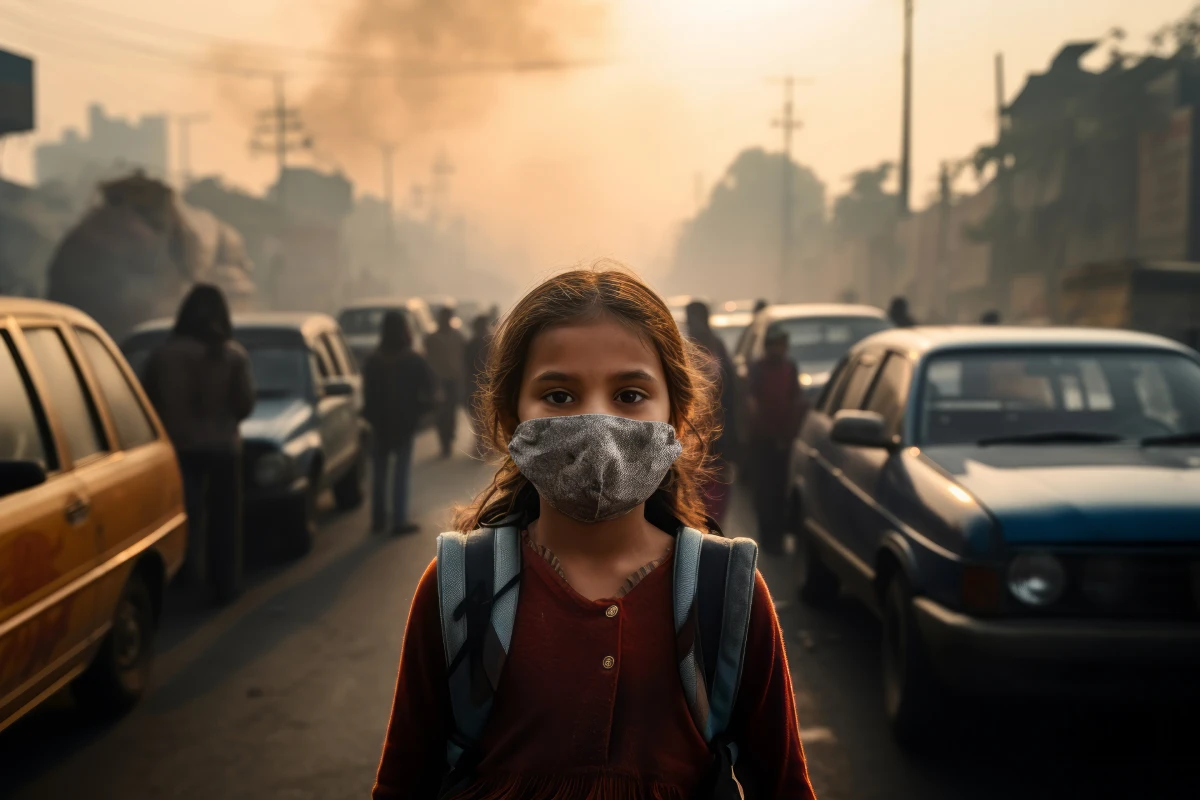
In recent years, environmental concerns have escalated, placing air pollution at the forefront of public health debates. Beyond the well-known respiratory issues and cardiovascular risks, emerging research suggests that exposure to polluted air may also be silently harming children’s eyesight. As children’s visual development is crucial during formative years, understanding how environmental factors influence this process is paramount. This article delves into recent studies and expert insights to uncover the alarming connection between air quality and children’s vision health.
Understanding the Link Between Air Pollution and Vision Health
Recent scientific investigations have begun to shed light on how air pollutants may interfere with the delicate development of children’s eyes. According to The Washington Post, air pollution could be negatively impacting children’s eyesight, potentially leading to increased dependence on corrective lenses or, worse, irreversible visual impairments.
Impact of Specific Pollutants on Children’s Eyesight
Particulate Matter and Ozone
Studies indicate that fine particulate matter (PM2.5), a prevalent component of air pollution, can penetrate ocular tissues, leading to inflammation and damage in retinal cells. Similarly, ozone exposure has been linked to oxidative stress, which can accelerate deterioration of the eye’s delicate structures.
Long-term Consequences
Prolonged exposure to high levels of air pollutants not only affects the development of vision in young children but may also increase their risk of developing refractive errors, including myopia (nearsightedness). This growing trend is particularly troubling given the increasing levels of urban air pollution worldwide.
Research Evidence Supporting These Concerns
- Children’s vision linked to air quality levels – Medical Xpress
- Lower pollutants levels linked to better vision outcomes – Common findings across multiple studies point towards a direct correlation between air quality and visual health in children.
Potential Protective Measures and Policy Implications
Given the mounting evidence, many experts advocate for urgent policy reforms aimed at reducing urban air pollution levels. Measures such as stricter emissions standards for vehicles and industries, promoting green transportation, and developing urban green spaces could significantly improve air quality. Moreover, parents and caregivers are encouraged to minimize children’s exposure during high pollution days by keeping them indoors, using air purifiers, and ensuring proper eye care routines.
Public Awareness and Preventive Strategies
- Monitoring air quality indices (AQI): Parents should stay informed about daily AQI levels and plan outdoor activities accordingly.
- Encouraging protective eyewear and eye hygiene: Protective glasses can shield children’s eyes from airborne particles, and regular eye check-ups can aid early detection of problems.
- Community-led initiatives: Promoting local efforts to reduce pollution sources and advocating for cleaner air policies are vital for long-term health benefits.
Concluding Thoughts
The evidence linking air pollution to deteriorating children’s eyesight underscores a broader need for environmental stewardship. Protecting the air that children breathe is not just about respiratory health—it extends to safeguarding their vision and overall development. As urban populations grow, the challenge of maintaining clean air becomes ever more critical. Stakeholders at all levels—from policymakers to individual families—must work together to curb pollution levels and secure a healthier future for our children.
In essence, every effort to reduce pollutant levels and promote better air quality directly contributes to better vision health in children. It is high time we recognize the multifaceted impacts of environmental pollutants and prioritize actions that ensure brighter, clearer futures for the next generations.
For more updated news please keep visiting Hourly Prime News.