

The Need for Similar Warnings on Alcohol as Tobacco
In recent years, alarming health concerns associated with alcohol consumption have come into sharper focus. Leading medical research institutions like the All India Institute of Medical Sciences (AIIMS) have been vocal about the urgent need to implement measures that raise awareness about the risks of alcohol. Drawing parallels with tobacco, which has long been subjected to strict warning labels, AIIMS researchers advocate for similar mandatory warnings on alcohol products to safeguard public health.
Research Highlights and Key Recommendations
Studies conducted by AIIMS and other health experts emphasize that the general public’s awareness regarding alcohol-related health risks remains critically low. Despite mounting evidence linking alcohol consumption to various severe health issues, many consumers are unaware or underestimate these risks. AIIMS researchers strongly recommend that alcohol bottles be mandated to bear **warning labels similar to those found on tobacco products**. Such labels should include explicit messages about the potential dangers, including increased cancer risk, liver disease, cardiovascular complications, and mental health disorders.
Low Awareness Among the Public
- Numerous studies have demonstrated a **low level of awareness** regarding the full range of health hazards posed by alcohol. Many drinkers perceive alcohol as relatively benign, ignoring the mounting body of evidence connecting it to serious illnesses.
- Research articles such as from Hindustan Times highlight the need for **better public education** and **visible warning labels** to combat this ignorance.
- In fact, AIIMS experts cite that **public knowledge about alcohol’s role in cancer and other deadly diseases** remains limited, increasing the need for regulatory action.
The Case for Warning Labels Similar to Tobacco
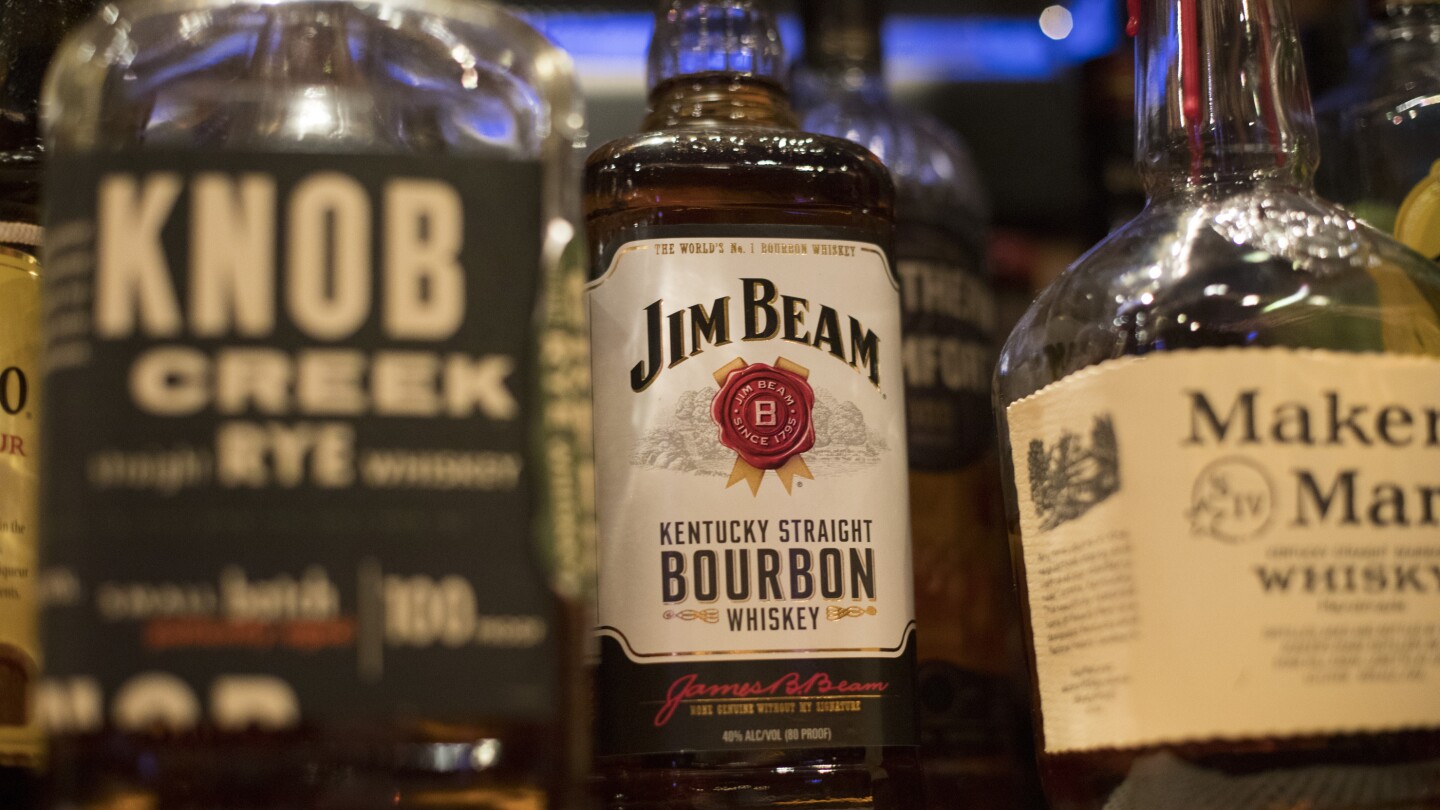
On the grounds of public health, AIIMS researchers insist that alcohol products should carry **mandatory warning labels like those on tobacco**, which have proven effective in raising awareness and reducing consumption among vulnerable groups, especially youth. These labels should be prominently placed on bottles, including informative graphics and messages like:
- “Consumption of alcohol increases risk of cancers, liver disease, and cardiovascular problems.”
- “Alcohol impairs judgment and increases the risk of accidents.”
- “Alcohol consumption during pregnancy can cause fetal harm.”
Supporting Evidence from Recent Studies and Experts
Various expert opinions and research findings bolster this view. As per reports from sources like the Hindustan Times and local news outlets, health professionals are increasingly warning that **lack of awareness fuels harmful drinking patterns**. For example, doctors point out that **refusing a drink** or limiting alcohol intake can **significantly reduce the risk of developing cancers and other serious ailments in the future**.
Health Implications of Unregulated Alcohol Labels
Currently, most alcohol products lack clear, visible warnings, which contributes to **misinformation or ignorance** about their true health impact. The absence of such labels allows consumption to continue unchecked, especially among youth and vulnerable populations. Implementing standardized labels will function as an essential intervention to curb excessive drinking and encourage responsible consumption.
Public and Policy Actions Needed
AIIMS stresses that policy-makers should take action to enforce the inclusion of **mandatory warning labels on all alcohol products**, akin to the regulations on tobacco packaging. This action aligns with global health recommendations and is supported by scientific evidence pointing to the efficacy of transparent health warnings.
Furthermore, public health campaigns should run concurrently, emphasizing themes such as:
- Risks associated with alcohol and cancer.
- The benefits of moderation or abstinence.
- Understanding how alcohol consumption impacts overall health and well-being.
Challenges and Counterarguments
While the case for warning labels is compelling, some industry stakeholders argue that such measures could impact sales or infringe on consumer freedom. However, scientific consensus underscores that **public health considerations should take precedence** over commercial interests. Studies affirm that **clear Warnings contribute to informed choices**, helping consumers make healthier decisions and potentially reducing alcohol-related disease burdens.
The Role of Education and Awareness Campaigns
In addition to mandated labels, AIIMS advocates for comprehensive **public education campaigns**. These should involve collaborations between health authorities, community organizations, and media outlets to dispel myths about alcohol and highlight its risks.
Examples of Effective Strategies
- Graphic health warnings on bottles and advertisements.
- Community outreach programs targeting youth and vulnerable populations.
- Incorporating alcohol education into school curricula.
- Mass media campaigns illustrating real stories of health impacts caused by alcohol.
Conclusion: A Call to Action for Public Safety
The evidence is clear: **mandatory warning labels on alcohol, similar to those on tobacco products**, are crucial for enhancing public awareness and reducing alcohol-related health issues. AIIMS and other health experts are urging policymakers to adopt these measures promptly, with the ultimate goal of **saving lives and improving public health outcomes**. As societies worldwide grapple with the burgeoning burden of alcohol-related diseases, it is imperative that India leads by example, taking decisive actions to inform, protect, and promote healthier choices among its citizens.
By fostering an environment where honest and visible health information is standard, we can make significant progress toward a healthier future. Implementing warning labels is not just a regulatory formality—it’s a vital public health intervention that can shape healthier behaviors at the grassroots level.
Let us advocate for smarter policies, increased awareness, and a collective effort to combat the harms of alcohol through transparent information and responsible consumption.
For more updated news please keep visiting Hourly Prime News.