

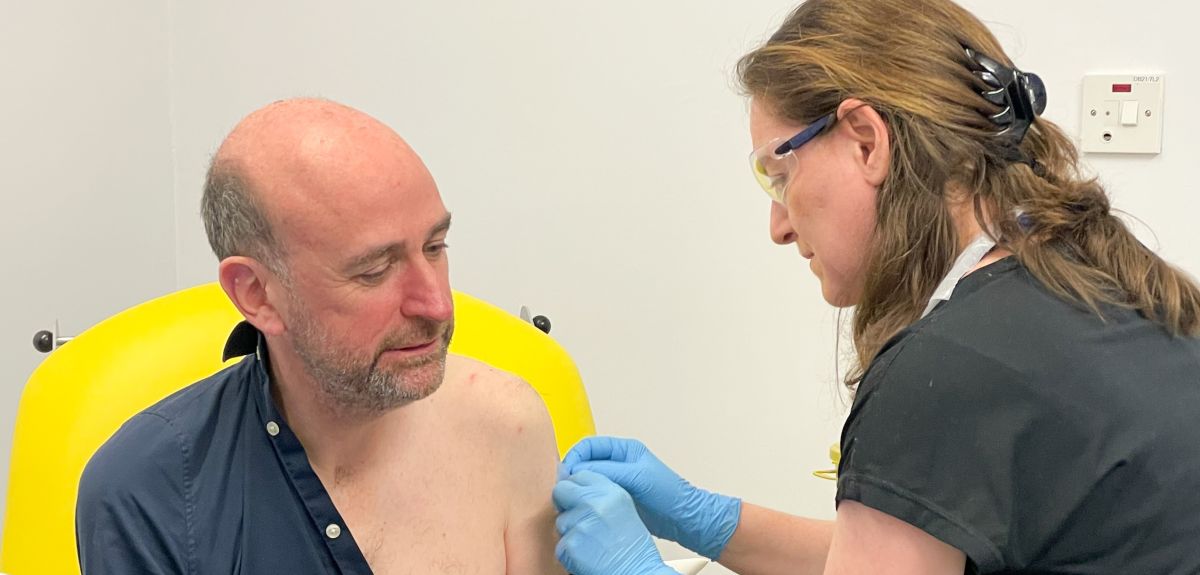
The Nipah virus, a highly pathogenic zoonotic virus capable of causing severe illness and death in humans, has long been considered a significant threat to global health. Known for its outbreak potential and lack of specific treatments or vaccines, Nipah’s emergence reminds the world of the critical need for rapid advancements in infectious disease prevention. Recently, exciting developments have brought us closer to a viable solution: the advent of promising Nipah vaccines entering human trial phases. These advancements signify hope not only for countries directly impacted by Nipah outbreaks but also for the entire international community, which aims to prevent future epidemics through proactive vaccination strategies.
The Urgency of Developing a Nipah Vaccine
Understanding the urgency behind Nipah vaccine development requires an appreciation of the virus’s dangerous nature. Since its discovery in 1998-1999 in Malaysia, Nipah has caused multiple outbreaks across South and Southeast Asia, particularly in Bangladesh and India. The virus transmits from animals—primarily fruit bats—to humans, often through contaminated food sources or close contact with infected animals or people. The mortality rate from Nipah virus infections can reach up to 75%, and severe neurological complications are common in survivors, making it a public health emergency of international concern.
Despite its deadly potential, there are currently no approved vaccines or specific antiviral treatments for Nipah virus infections. Supportive care remains the mainstay of treatment, highlighting the critical importance of prevention through vaccination. With outbreaks difficult to predict and often occurring in remote or resource-limited settings, the development of an effective vaccine could revolutionize the approach toward managing and preventing Nipah outbreaks.
Latest Breakthroughs and Ongoing Trials
Vaccine Development Progress
Over the last few years, significant progress has been achieved in the quest for a Nipah vaccine. Multiple candidates are in various stages of preclinical and clinical development, showing promising levels of immunogenicity and safety profiles. According to Gavi, the Vaccine Alliance,
- “Nipah vaccines set to enter human trials”— a major milestone towards achieving an approved vaccine that can be deployed in humans.
- “Progress and obstacles in Nipah virus vaccine development”— an expert commentary highlighting the challenges faced and the scientific progress made so far.
- “New vaccine set for human trials in outbreak hotspots”— targeting regions where Nipah outbreaks are most frequent, aiming to contain the virus at its source.
- “New vaccine against the Nipah virus”— additional innovations in vaccine design to improve efficacy and safety.
Clinical Trial Developments
The transition from laboratory research to human trials marks a pivotal step in vaccine development. Multiple candidates are now progressing through phased trials, aiming to evaluate safety, dosage, and immune response. EurekAlert! notes that while progress is promising, there are still hurdles such as ensuring vaccine stability, scalability, and efficacy across diverse populations. The involvement of international organizations like the Coalition for Epidemic Preparedness Innovations (CEPI) accelerates these efforts by providing funding and logistical support.
Challenges and Barriers in Vaccine Development
Though the vaccine development journey is advancing rapidly, it is not without challenges. These include:
- Biological and scientific hurdles: Developing a vaccine that provides long-lasting immunity against a virus with multiple genotypes remains complex.
- Manufacturing and scalability: Producing sufficient quantities of vaccine doses to meet global demand, especially in outbreak-prone regions, requires substantial infrastructure and investment.
- Regulatory and logistical obstacles: Traditional approval processes can be lengthy. Streamlining approval pathways for emergency use and ensuring cold chain logistics pose additional hurdles.
- Funding and international coordination: Sustaining financial investment and cooperation among countries and organizations are critical for rapid progress.
The Significance of Human Trials for Global Health
Human trials are a crucial phase in confirming the safety and efficacy of vaccines. Successful completion of these trials signifies a move closer to inoculating populations at risk, especially in outbreak hotspots like Bangladesh, India, and the broader Southeast Asia region. By establishing immunity in vulnerable populations, these vaccines can drastically reduce the incidence and severity of Nipah infections, ultimately saving lives and preventing economic destabilization caused by outbreaks.
Future Outlook and Global Preparedness
The promising developments in Nipah vaccine research signal a hopeful future where outbreaks could be effectively contained or even prevented. Once approved, widespread immunization campaigns could be launched in endemic areas, supported by international health agencies and governments. Moreover, these vaccines could serve as a blueprint for rapid response strategies for similar emerging zoonotic diseases, enhancing global preparedness against future pandemics.
Collaboration and Ongoing Research
Global collaboration remains essential for accelerating vaccine development, conducting extensive clinical trials, and ensuring equitable access once vaccines are approved. Ongoing research aims to refine vaccine formulations, improve delivery methods, and extend protection to broader age groups and populations. The combined efforts of academia, industry, NGOs, and governments are vital in overcoming remaining barriers and ensuring that the vaccines reach those in need.
Conclusion
The journey towards effective Nipah vaccines entering human trials marks a significant milestone in infectious disease control. While hurdles still exist, the momentum is undeniable. The combined efforts of global health organizations, researchers, and policymakers foster hope that soon, we may have a safe, effective vaccine to prevent Nipah virus infections and their devastating consequences. Protecting vulnerable communities and reducing the threat of this deadly virus is now within reach, thanks to these rapid advancements in vaccine science.
For more updated news please keep visiting Hourly Prime News.