

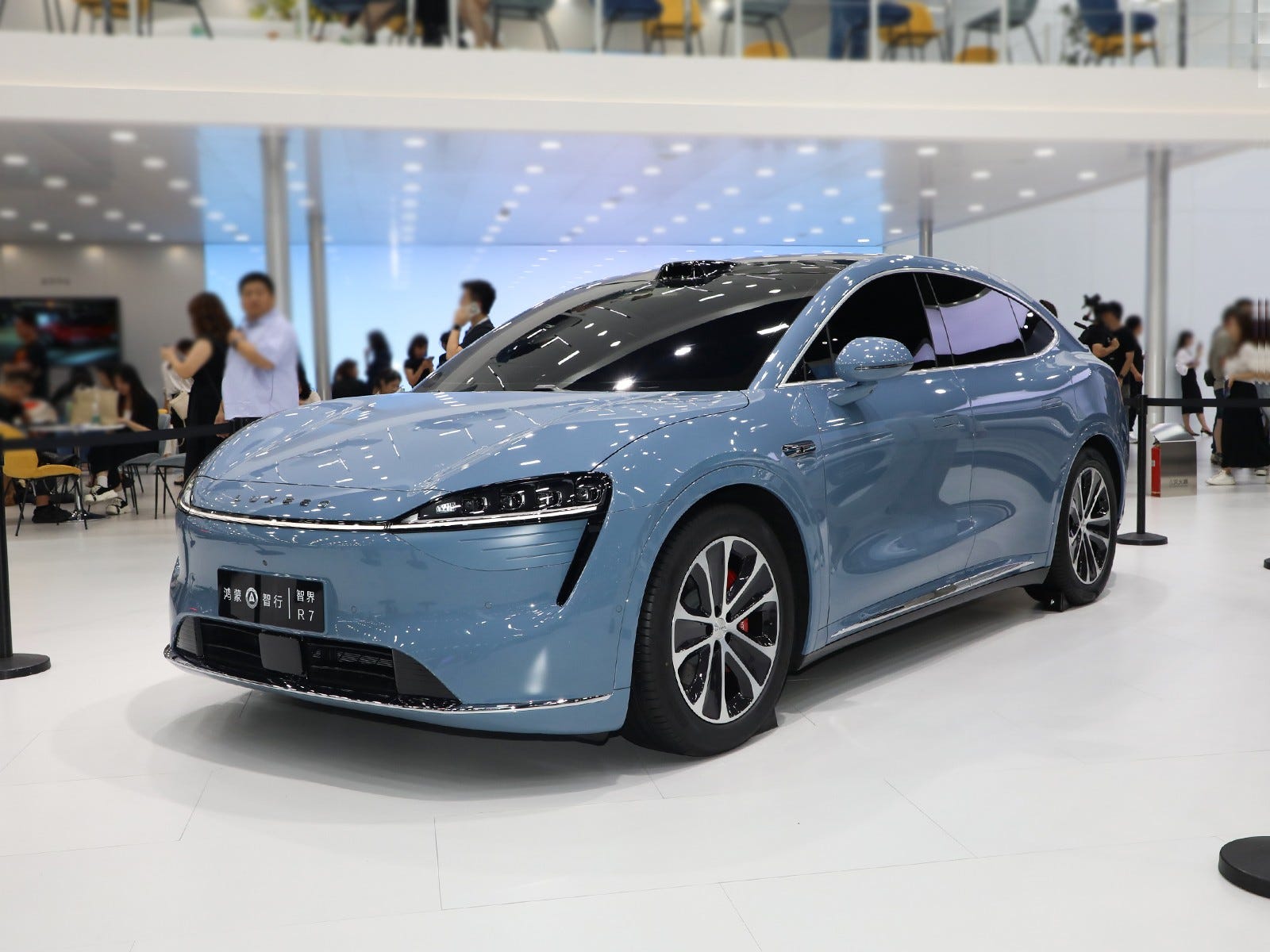
The automotive industry is on the cusp of a revolutionary transformation, driven by groundbreaking advancements in artificial intelligence (AI) and neural computing. Among the nations leading this charge, China is making remarkable strides with its development of a revolutionary technology often dubbed as the “Superbrain” of future cars. This innovation promises to redefine the way vehicles perceive, decide, and interact with their environment, making driving safer, more efficient, and intensely personalized.
The Emergence of China’s Superbrain Technology
According to reports from China Daily, the concept of a “Superbrain” involves an AI system integrated at the core of future vehicles, which mimics the complex neural network architecture of the human brain but with vastly superior processing power.
This system is designed to handle colossal amounts of data generated by a vehicle’s sensors, cameras, lidar, and radar systems. It enables the car to process information and make decisions in real-time, creating a path for autonomous driving with unprecedented levels of safety and precision.
Core Features of China’s Superbrain Technology
Advanced Neural Networks
- Deep Learning Capabilities: The Superbrain utilizes deep neural networks that can adapt, learn, and improve from experiences, much like a human brain but far faster and more efficiently.
- Real-Time Data Processing: It can analyze multiple data streams simultaneously, enabling instantaneous reaction to changing road conditions, obstacles, and unpredictable events.
- Enhanced Sensory Integration: The system integrates inputs from various sensors to create a comprehensive understanding of the vehicle’s surroundings.
Autonomous Decision-Making
- Predictive Algorithms: It anticipates potential hazards based on patterns and behaviors observed in real-time data.
- Situational Awareness: The Superbrain assesses complex driving scenarios, from urban traffic to highway cruising, making informed decisions to optimize safety and efficiency.
- Human-Like Reasoning: While highly advanced, the system is designed to mimic human reasoning for better interaction with human drivers and passengers.
Impacts of Superbrain on Future Vehicles
Enhanced Safety Features
- Accident Prevention: The system’s predictive capabilities can prevent collisions by anticipating dangerous situations before they occur.
- Emergency Handling: It provides swift, calculated responses during emergencies, such as sudden obstacles or adverse weather conditions.
Improved Driving Experience
- Personalized Assistance: The Superbrain learns individual driving styles and preferences, offering tailored suggestions and assistance.
- Seamless Connectivity: Future cars equipped with this technology will connect effortlessly with smart city infrastructure and other vehicles, enabling coordinated traffic flow and reduced congestion.
Contribution to Autonomous Vehicles
China’s Superbrain aims to push the boundaries of self-driving technology, making fully autonomous vehicles more reliable and widely accessible. With refined machine learning algorithms, these vehicles will be capable of handling complex environments better than ever before, closing the gap between human drivers and machines.
China’s Pioneering Role in Automotive AI
China’s aggressive investments and strategic focus on AI research have placed it at the forefront of autonomous vehicle technology. Major Chinese tech giants and automakers are collaborating on developing these Superbrain systems, aiming for a future where AI-driven cars dominate roads worldwide.
By integrating such intelligent systems, Chinese companies are not just improving car automation but also advancing smart transportation networks, urban mobility, and environmental sustainability.
Global Implications and Future Outlook
The advent of China’s Superbrain technology signifies a paradigm shift in the automotive industry globally. While Western nations and other Asian countries continue to innovate, China’s progress demonstrates a rapid acceleration towards fully autonomous, smart vehicles.
Some possible future developments include:
- Mass adoption of AI-powered cars: Making intelligent vehicles a standard rather than a luxury.
- Smart city integration: Vehicles communicating effortlessly within urban infrastructure for optimized traffic management.
- Environmental benefits: More efficient driving leading to reduced emissions and energy consumption.
Furthermore, as the technology matures, regulatory frameworks, ethical considerations, and safety protocols will evolve in tandem, paving the way for widespread acceptance and deployment of these superintelligent cars.
Challenges and Considerations
Despite its promising prospects, implementing China’s Superbrain in vehicles entails several challenges:
- Data Security and Privacy: Handling enormous amounts of data raises concerns about cybersecurity threats and personal privacy breaches.
- Regulatory Approval: Governments worldwide will need to develop standards for AI-driven autonomous vehicles.
- Technological Reliability: Ensuring the system functions flawlessly in all scenarios is critical to prevent accidents and build public trust.
- Economic Impact: The transition might impact traditional automotive jobs and industry dynamics, necessitating strategic policy interventions.
Conclusion: A New Era of Intelligent Mobility
The development of China’s Superbrain technology marks a significant milestone in automotive evolution. By harnessing the power of advanced neural networks and AI, the future of cars will become more than just transportation—they will be intelligent partners capable of protecting and enhancing human lives.
As China continues to innovate and lead in this sphere, the global auto industry must adapt and collaborate to realize the full potential of these revolutionary systems. The vision of fully autonomous, AI-powered vehicles is no longer distant—it is rapidly approaching, promising a safer, smarter, and more interconnected world of mobility.
For more updated news please keep visiting Hourly Prime News.