

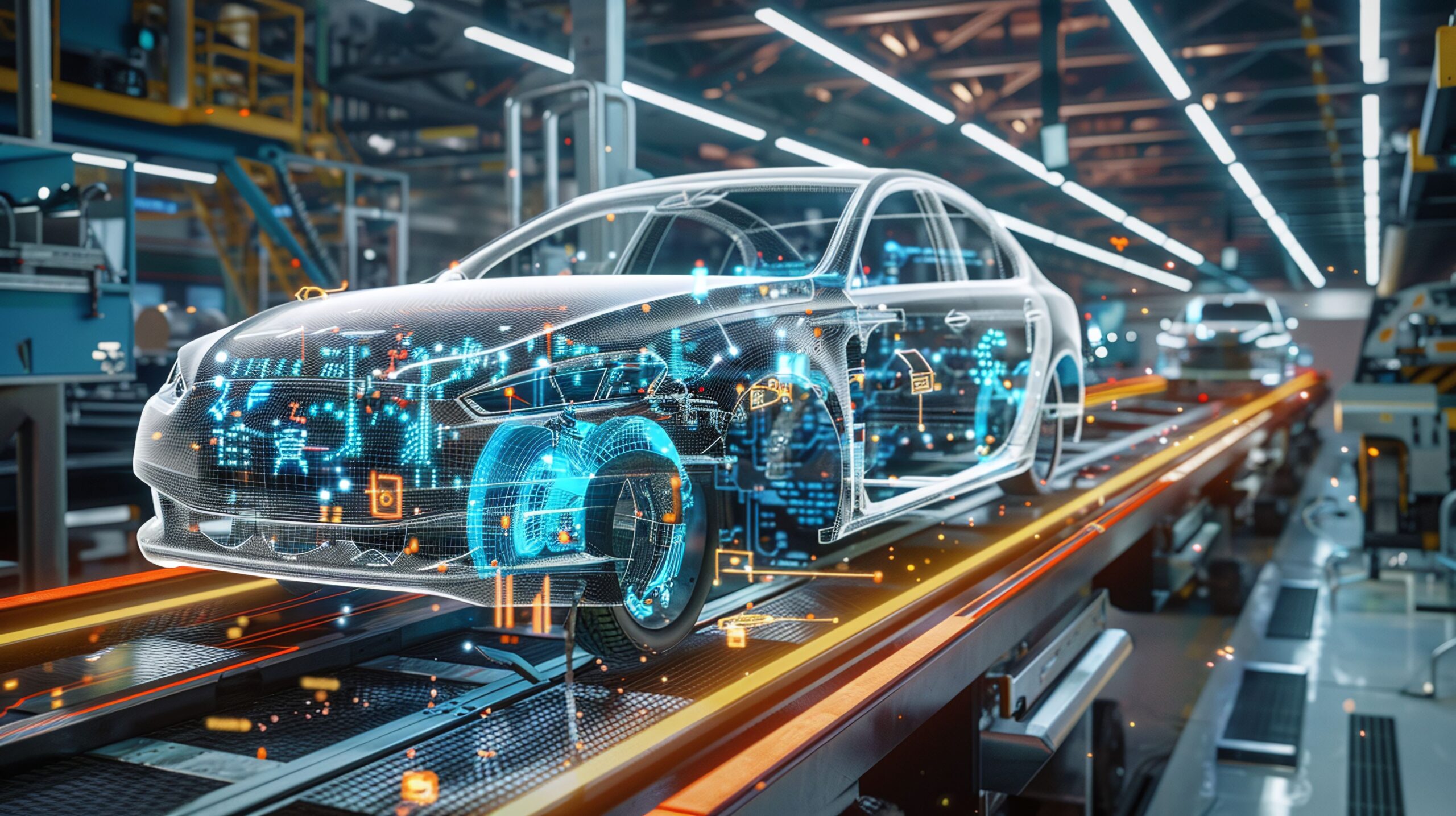
The automotive industry is undergoing a transformative shift, with sustainability and innovation taking center stage. At the heart of this evolution lies Product Lifecycle Management (PLM) — a digital backbone that not only streamlines the design and manufacturing processes but also catalyzes the industry’s push toward a more sustainable and innovative future. As traditional manufacturing approaches give way to smarter, more responsible practices, PLM has emerged as an indispensable tool for automakers aiming to meet environmental goals while delivering cutting-edge vehicles.
The Role of PLM in Enhancing Circularity and Sustainability
Sustainability in the auto industry is no longer a optional goal; it is a strategic necessity driven by consumer demand, regulatory pressures, and the broader global commitment to environmental stewardship. How PLM is powering the auto industry’s circularity push has revealed that automakers are harnessing PLM systems to optimize resource use, reduce waste, and design for recyclability.
This strategic integration enables companies to track materials throughout their entire lifecycle, from raw extraction to end-of-life recycling. For example, PLM tools facilitate detailed data collection about component composition and environmental impact, which informs sustainable decision-making at every stage. By enabling precise inventory management, digital twins, and simulation-based validation, PLM ensures that each vehicle is designed with minimal environmental footprint, aligning with the principles of the circular economy.
Innovation through Digital Transformation and Data Integration
Beyond sustainability, PLM accelerates innovation by enabling a seamless flow of data across departments and partners. The automotive industry is increasingly embracing electrification, autonomous driving, and connectivity — all of which demand robust collaboration and rapid iteration. PLM provides an integrated platform where designers, engineers, suppliers, and manufacturers can collaboratively develop new technologies, ensuring consistency, quality, and compliance.
Digital twins, a key feature of modern PLM systems, allow companies to create virtual prototypes of vehicles or components. This not only reduces physical prototyping costs but also accelerates testing and validation phases. Virtual simulations can detect potential issues early, saving both time and resources, and fostering a culture of continuous innovation.
Moreover, data-driven insights from PLM systems support predictive maintenance, enhanced vehicle performance, and smarter supply chain management. This interconnected ecosystem nurtures an environment where innovation is driven by real-time data, allowing automakers to respond swiftly to emerging trends and customer preferences.
Driving Sustainable Product Development
- Design for Disassembly: PLM enables engineers to develop vehicles that can be easily taken apart for recycling or reuse, reducing waste at the end of the product’s life.
- Material Selection: Detailed dashboards within PLM systems help select eco-friendly materials, considering factors like recyclability, toxicity, and carbon footprint.
- Compliance and Certification: Automakers can manage regulatory requirements related to sustainability, such as ISO standards and emissions regulations, through integrated PLM workflows.
Case Studies: Leading Automakers Embracing PLM for a Sustainable Future
Several automotive giants are leveraging PLM to spearhead their sustainability initiatives:
- Toyota’s Commitment: Toyota integrates PLM tools to manage complex supply chains, ensuring the sourcing of sustainable materials and adherence to environmental standards.
- Volkswagen’s Electrification Drive: VW utilizes PLM systems to streamline the design and manufacturing of electric vehicles, focusing on reducing lifecycle emissions and optimizing battery recyclability.
- Ford’s Circular Economy Strategies: Ford employs PLM to develop modular vehicle architectures that facilitate easy upgrading and recycling, aligning with their circular economy goals.
These examples underscore how PLM empowers automotive companies to embed sustainability into their core operations while fostering innovation and maintaining competitive advantage.
Challenges and The Future of PLM in Auto Sustainability
Despite its benefits, integrating PLM across complex global supply chains is not without challenges:
- Data Security: Protecting sensitive design and operational data from cyber threats remains critical.
- Standardization: Achieving interoperability among diverse PLM systems and across different regions requires unified standards.
- Cost of Implementation: High initial investment and training costs can be barriers for smaller firms or emerging markets.
However, ongoing technological advancements such as AI, IoT, and blockchain promise to enhance PLM capabilities, making systems more intelligent, secure, and inclusive. As these technologies mature, they will further empower automakers to fulfill their sustainability and innovation ambitions with greater efficiency.
Conclusion
Product Lifecycle Management is reshaping the auto industry — not just as a tool for efficiency but as a catalyst for sustainability and innovation. By facilitating circularity, optimizing resource use, and enabling rapid technological advancements, PLM positions automakers at the forefront of responsible manufacturing. As the industry evolves towards greener, smarter mobility solutions, those who effectively harness PLM will lead the charge towards a sustainable and innovative future in automotive manufacturing.
In essence, PLM is not merely a management system; it is a strategic enabler of the auto industry’s commitment to environmental stewardship and technological progress.
For more updated news please keep visiting Hourly Prime News.