

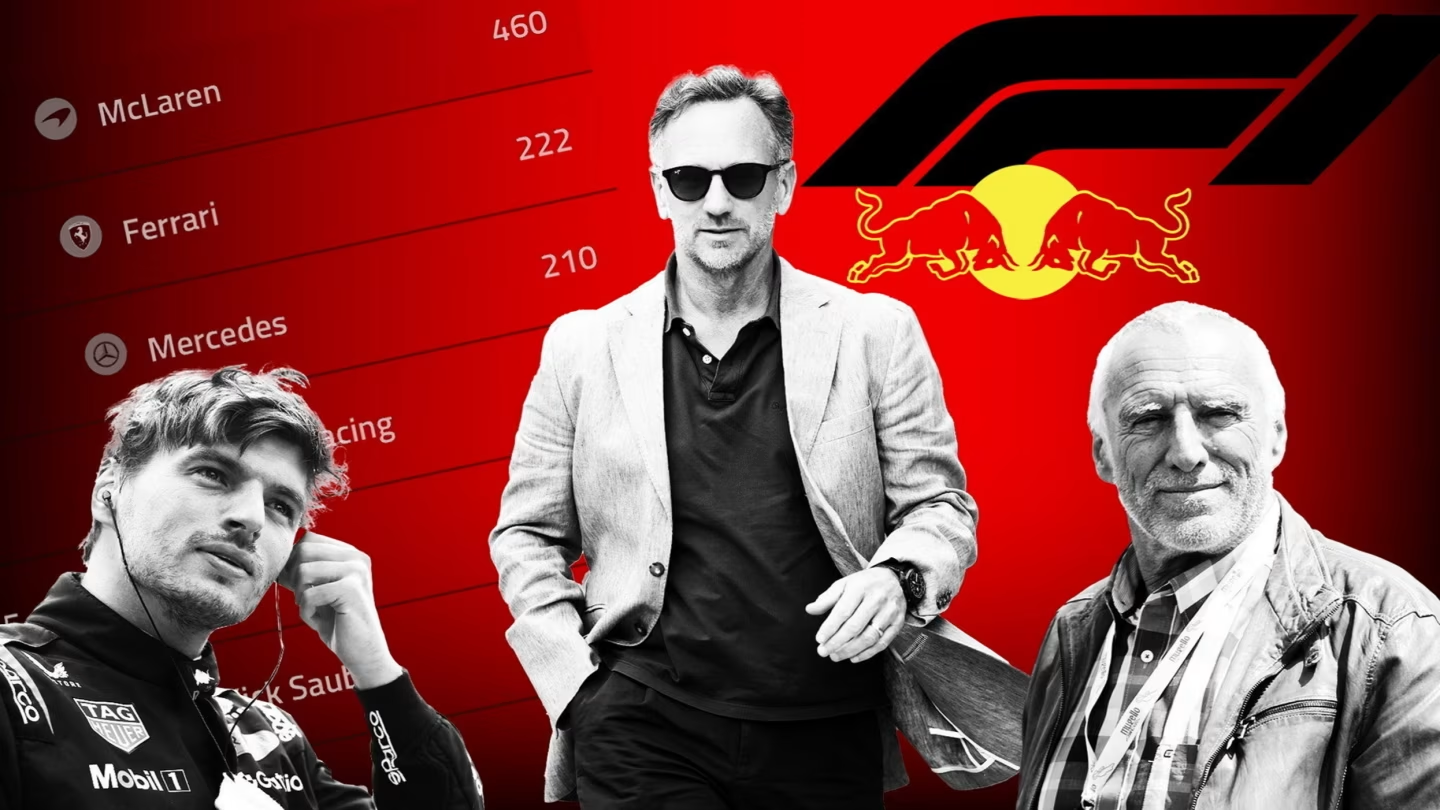
Analyzing the Potential Shift in F1 Power Dynamics
The world of Formula 1 is constantly evolving, with powerhouse teams vying for dominance on the track and within the business realm. Among the key figures shaping recent developments, Christian Horner, the charismatic and astute team principal of Red Bull Racing, has been at the center of speculation regarding his future endeavors. Recent reports suggest that Horner is being *tipped* to take a significant step by possibly becoming a part-owner of a rival team in F1 — a move that could profoundly alter the sport’s landscape.
This article delves into the intricacies of this potential shift, exploring Horner’s current position, the implications of his possible ownership stake in a competitor, and how this might influence the competitive balance in Formula 1. We will also analyze the broader context of team ownership structures, strategic motives behind such moves, and what this indicates about Horner’s ambitions beyond Red Bull.
The Background: Christian Horner and Red Bull Racing’s Current Standing
For over a decade, Christian Horner has been a dominant figure in F1, guiding Red Bull Racing from relative obscurity to a premier team commanding respect and success. Since taking the helm in 2005, Horner has overseen several championship victories, especially during the era of Max Verstappen’s rise and Red Bull’s resurgence as a top-tier contender.
Red Bull Racing’s strategic approach, under Horner’s leadership, emphasizes aggressive innovation, recruitment of talented drivers, and a relentless pursuit of technical excellence. Their triumphs in recent seasons have cemented their position at the front of the grid, often competing fiercely with traditional giants like Mercedes and Ferrari. Nonetheless, the sport’s evolving regulatory landscape, financial challenges, and internal team dynamics continue to influence the long-term strategic outlook for Red Bull.
Speculations and Rumors: Horner’s Potential Stake in a Rival Team
The rumor mill has been abuzz with speculation that Christian Horner might be considering a radical career move — acquiring a stake in a rival F1 team. PlanetF1 reports highlight that Horner’s potential move to share ownership could be motivated by several strategic considerations, including expanding his influence within the sport and diversifying his portfolio outside Red Bull.
The precise nature of this possible partnership remains speculative, but such a move would be unprecedented in recent F1 history. It could involve a significant financial investment, a leadership role, or a strategic partnership aimed at shaping the future of motorsport governance and competition.
Impacts on the F1 Ecosystem
1. Changing Power Structures
If Horner proceeds with such an ownership arrangement, it could result in a redistribution of influence within the F1 hierarchy. His deep understanding of the sport’s technical and strategic intricacies, combined with his experience managing Red Bull’s racing operations, would make him a formidable stakeholder in any competing team.
Such a move could also challenge the existing balance of power, especially if it leads to the emergence of teams with new ownership visions, innovative sponsorship models, or strategic alignment with different manufacturers or corporate interests.
2. Max Verstappen’s Future and Team Loyalty
Horner’s dual role as a team principal and potential owner of a rival team raises questions about driver loyalty and team dynamics. Verstappen’s recent dominance has been partly attributed to Horne’s leadership. But if Horner takes a stake elsewhere, it might influence Verstappen’s perceptions of Red Bull’s stability and competitiveness, especially amid ongoing management changes like the recent sacking of Christian Horner himself.
The recent decision to part ways with Horner underlines a transitional phase for Red Bull, with Laurence Mekies now taking on a key leadership role. How this shift interacts with potential external ownership arrangements remains to be seen.
Additional Developments and Key Insights
Laurent Mekies’ Focus and Red Bull’s Future Strategy
Following Horner’s departure, Laurent Mekies has outlined key focus areas for Red Bull to sustain their competitive edge. As reported by Sky Sports. His strategic emphasis aims to stabilize and enhance team performance, stabilize internal management, and prepare for future regulatory changes.
If Horner’s involvement in a rival team materializes, Jacques Villeneuve, the renowned F1 commentator and veteran, suggests that this could lead to a more competitive environment. It might also prompt teams to rethink their investment strategies, sponsorship alignments, and driver development programs, all of which could impact the sport’s overall spectacle.
3. Broader Implications for the Sport
The potential rise of new ownership factions driven by influential figures like Horner signals a broader trend towards commercialization and diversification in F1. With major manufacturers, private investors, and former team principals seeking to exert influence, the sport’s landscape could become more fragmented but also more dynamic.
Such ownership shifts could lead to:
- Enhanced financial competitiveness among teams.
- Greater emphasis on technological innovation as teams seek competitive edges.
- Potential regulatory challenges, as governing bodies adapt to these new power centers.
- Increased media scrutiny and fan engagement, fueled by ongoing strategic battles.
These developments may ultimately shape the future of F1, with competition not merely confined to the racetrack but also extending into the boardrooms and ownership suites.
What’s Next? The Likelihood of Horner’s Next F1 Move
While rumors continue to swirl, very few specifics are publicly confirmed about Horner’s next career steps. According to industry experts and insiders cited by The Race, the move remains speculative but is increasingly viewed as a strategic growth opportunity for Horner outside the constraints of Red Bull.
The evolving ownership landscape in F1 suggests it’s only a matter of time before such a high-profile transfer occurs, potentially reshaping the sport’s competitive and commercial fabric.
Conclusion: A New Chapter in F1 Leadership and Ownership?
In sum, Christian Horner’s rumored move into part-ownership of a rival team signifies not only a bold career step but also reflects the broader trend of increased investment and influence among key stakeholders in Formula 1. Whether it will materialize or remain a speculation, it underscores the significant shifts underway in the sport’s governance and competitive dynamics.
The sport is entering an era where leadership extends beyond trackside paddock strategies to encompass financial, technological, and ownership innovations. As Horner appears poised to possibly extend his influence, fans and industry watchers await further developments that could redefine F1’s future.
For more updated news please keep visiting Hourly Prime News.