

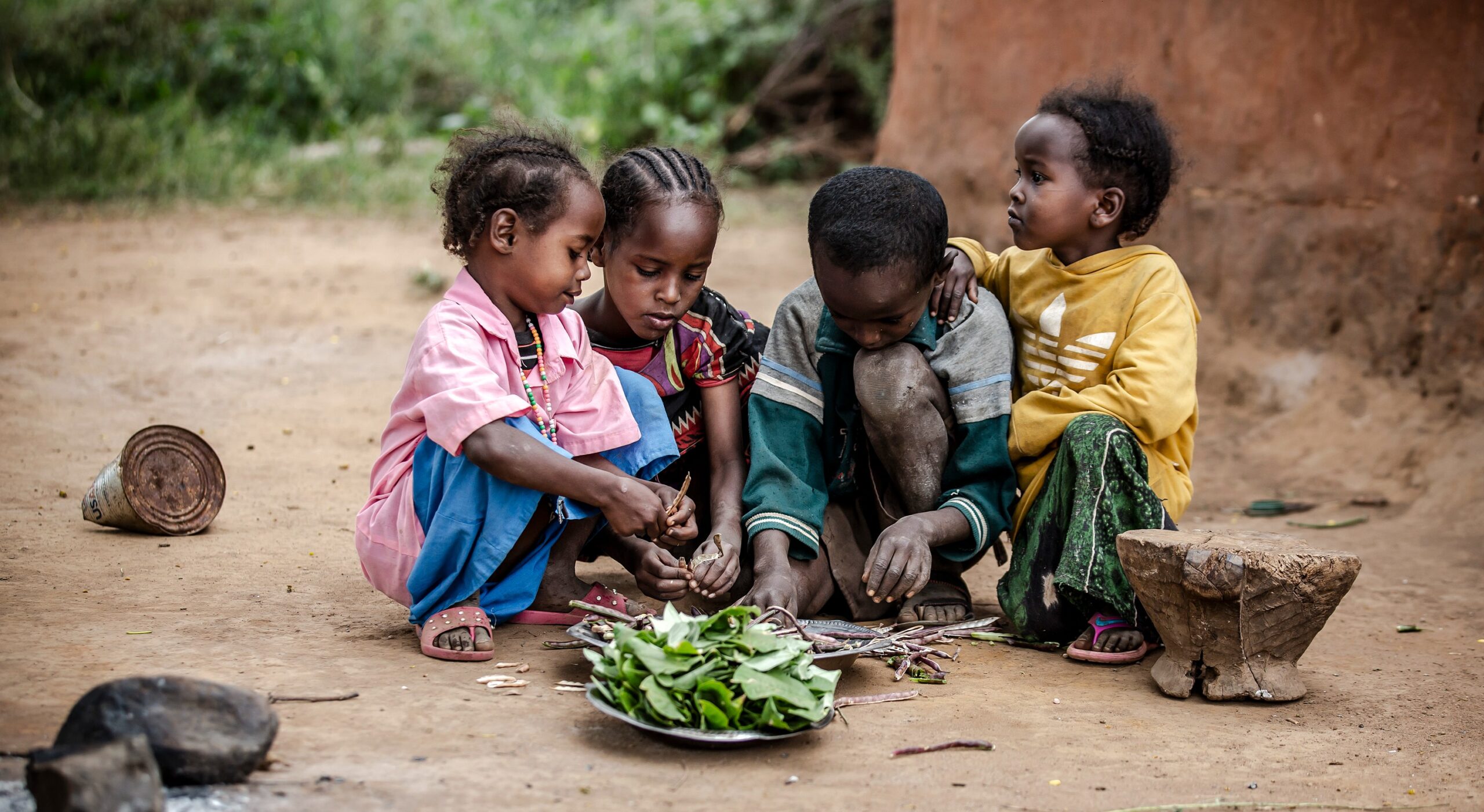
Recent studies and reports have shed light on an alarming trend: the health of children in the United States is deteriorating at an unprecedented rate. Once considered a symbol of a prosperous and resilient society, America’s youth now face mounting health challenges that threaten their well-being and future prospects. This decline is not just a matter of individual concern but a critical public health issue demanding immediate attention and strategic intervention.
Understanding the Current State of Children’s Health in the U.S.
The Evidence from Recent Studies
A comprehensive study highlighted by study: U.S. Children’s Health Is Declining conducted by health experts across the country, confirms a troubling pattern of increasing health disparities, rising obesity rates, and a surge in chronic illnesses among young Americans.
This study provides concrete data illustrating a downward trend across multiple health indicators. It underscores the growing prevalence of issues such as:
- Obesity and Overweight
- Type 2 Diabetes
- Asthma and Respiratory Problems
- Mental Health Disorders
- Nutritional Deficiencies
Key Factors Contributing to the Decline
Diet and Nutrition
The modern American diet, often characterized by processed foods, sugary beverages, and fast food, plays a pivotal role in the decline of children’s health. Many children consume excessive calories but lack essential nutrients vital for growth and development. The availability and marketing of unhealthy foods disproportionately influence children, leading to poor dietary habits that persist into adulthood.
Physical Inactivity
With technological advancements and increased screen time, children are spending less time engaging in physical activities. Schools have reduced physical education programs, and safe outdoor spaces are often limited in urban areas, further discouraging active lifestyles. This sedentary behavior significantly contributes to obesity and related health issues.
Socioeconomic and Environmental Factors
Children from lower socioeconomic backgrounds face additional barriers such as limited access to healthy foods, healthcare, and safe recreational facilities. Environmental factors, including pollution and exposure to harmful chemicals, also impact children’s health adversely, leading to respiratory problems and developmental issues.
Impact of Mental Health Crisis
Alongside physical health challenges, mental health problems among children are escalating. Anxiety, depression, and behavioral disorders are increasingly diagnosed, often linked to academic pressure, social media exposure, and family stressors. The stigma surrounding mental health and limited access to supportive services exacerbate the crisis.
The Consequences of Ignoring the Decline
Failure to address the declining health of children could have far-reaching implications for society, including:
- Increased Healthcare Costs: Chronic illnesses and preventable conditions lead to higher medical expenses and strain on healthcare systems.
- Reduced Educational and Social Outcomes: Health issues can impair cognitive development, leading to poor academic performance and reduced social engagement.
- Long-term Productivity Losses: Childhood health directly influences adult health, affecting workforce productivity and economic growth.
- Widening Health Disparities: Vulnerable populations might bear the brunt of the decline, deepening existing inequalities.
Urgent Strategies for Reversing the Trend
Enhancing Nutrition and Food Policies
Implementing policies that regulate marketing of unhealthy foods to children, increasing access to fresh produce, and promoting nutritional education are critical steps. Schools can serve as hubs for healthier meals and nutrition lessons that instill lifelong healthy eating habits.
Promoting Physical Activity
Integrating regular physical activity into school curricula, creating safe outdoor play areas, and encouraging sports and active hobbies can help combat sedentary lifestyles. Community programs should focus on providing accessible recreational opportunities for all children, especially in underserved areas.
Addressing Socioeconomic Disparities
Efforts must prioritize support for vulnerable populations by ensuring equitable access to healthcare, nutritious foods, and safe environments. Policies aimed at reducing poverty and improving living conditions can significantly impact children’s health outcomes.
Fostering Mental Health Support
Expanding mental health services in schools and communities, reducing stigma, and promoting awareness are essential. Incorporating mental health education into school curriculums can empower children to seek help and build resilience.
The Role of Families and Communities
Parents, caregivers, and community leaders play a vital role in fostering a healthy environment for children. Creating awareness, advocating for policy changes, and modeling healthy behaviors are fundamental actions to reverse the decline.
What Can Families Do?
- Encourage Healthy Eating: Prepare balanced meals and limit sugary snacks and drinks.
- Increase Physical Activity: Engage in family sports, outdoor activities, and limit screen time.
- Support Mental Well-being: Maintain open communication, monitor emotional health, and seek professional help when necessary.
- Advocate for Change: Participate in community efforts and advocate for policies that prioritize children’s health.
Conclusion: A Call to Action
The decline in U.S. children’s health is a complex, multifaceted challenge that requires coordinated efforts from policymakers, healthcare providers, educators, families, and communities. Recognizing the severity of this crisis is the first step toward meaningful change. Implementing evidence-based strategies, investing in preventive care, and fostering environments conducive to healthy lifestyles are essential to secure a healthier future for the next generation.
Addressing these issues proactively can help reverse the trend, reduce health disparities, and ensure that every child has the opportunity to grow, learn, and thrive. The health of our children is a reflection of our society’s values and priorities, making it imperative that urgent actions are taken now.
For more updated news please keep visiting Hourly Prime News.