

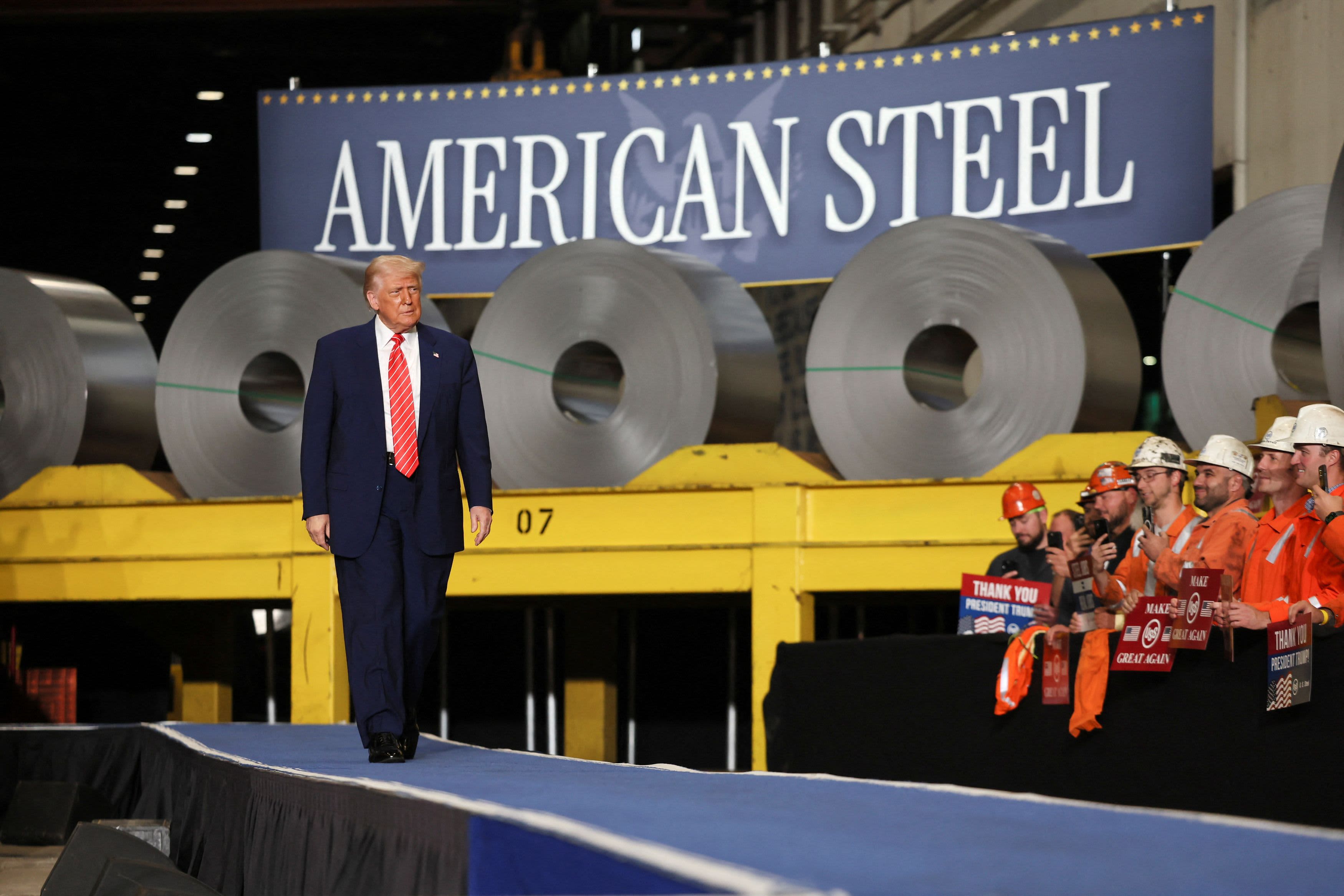
The Intersection of Trade Policies and the Auto Industry
The U.S. auto industry has long been a vital component of the nation’s economy, providing millions of jobs, fostering innovation, and generating significant export revenue. However, recent trade policies, particularly the imposition of tariffs on imported metals like copper, have introduced new challenges that threaten the industry’s stability and growth trajectory. Under the Trump administration, these tariffs aimed to shield domestic producers but inadvertently caused ripple effects across manufacturing sectors, especially the automotive sector.
This article explores the multifaceted impact of Trump’s copper tariffs on the U.S. auto industry, highlighting how policy decisions, driven by geopolitical considerations, inadvertently exacerbate existing economic pressures and hinder innovation and competitiveness.
The Rationale Behind Copper Tariffs
During the Trump administration, tariffs were a strategic tool employed to protect American industries from what was perceived as unfair foreign competition and to reshape the trade balance. Copper, an essential raw material in manufacturing, especially in vehicles, electronics, and wiring, became a focal point for tariffs. The goal was to make imported metals more expensive, nudging companies to source domestically and boost U.S. metal production.
However, the decision to impose tariffs on copper was based on complex geopolitical and economic considerations rather than straightforward industry needs. While intended to bolster American mining and manufacturing sectors, these tariffs failed to account for the interconnectedness of global supply chains, especially in the automotive industry.
Impact of Copper Tariffs on the U.S. Auto Industry
1. Rising Production Costs and Margins
The immediate consequence of the copper tariffs was an increase in raw material costs for auto manufacturers. Copper is integral to various vehicle components, including wiring harnesses, electronic systems, and motors. When tariffs raised the price of imported copper, manufacturers faced higher costs for raw materials.
- Increased manufacturing expenses: Auto companies had to pay more for essential materials, which directly impacted their cost structures.
- Reduced profit margins: To remain competitive, many brands avoided passing the entire cost increase to consumers, squeezing profit margins.
2. Disruption of Supply Chains
The automotive supply chain is highly complex and globalized. Many American auto plants rely on imported copper and copper-based components from countries unaffected by tariffs. The tariffs created supply chain disruptions, leading to delays and increased logistical costs.
- Supply shortages: Some suppliers scaled back or redirected sourcing, causing delays in production lines.
- Manufacturing downtime: Delays in sourcing raw materials resulted in plant shutdowns or reduced output, impacting overall productivity.
3. Competitive Disadvantage Against Foreign Automakers
Foreign automakers, primarily from Japan, Germany, and South Korea, have maintained more integrated and resilient supply chains. The tariffs put U.S.-based auto manufacturers at a disadvantage, raising costs relative to competitors exporting vehicles to the U.S.
- Higher vehicle prices: Increased production costs translated into more expensive vehicles for American consumers.
- Market share erosion: Consumers often turn to foreign brands perceived as more affordable or better quality, especially amidst rising costs.
Broader Economic Consequences for the Auto Industry
Beyond immediate operational challenges, copper tariffs have broader repercussions on innovation, employment, and the industry’s long-term competitiveness.
1. Stifling Innovation and Investment
The increased costs and supply chain uncertainties caused by tariffs create a cautionary environment for automakers contemplating new investments in technology, electric vehicles (EVs), and sustainable manufacturing practices. The additional financial strain diverts resources from R&D initiatives.
– Electric Vehicles (EVs): As EV production heavily depends on advanced wiring and electronic components, higher raw material costs threaten to slow the rollout of cleaner transportation options.
– Research and Development: Firms may delay or scale back investments in innovation due to increased overheads, stifling technological progress.
2. Negative Impact on Employment
Manufacturing costs and supply chain disruptions translate into job insecurity within the auto industry. Carmakers might resort to layoffs or shift production elsewhere to mitigate cost pressures, adversely affecting local economies.
3. Increased Consumer Prices
The cumulative effect of tariffs elevates vehicle prices, reducing affordability for consumers and potentially suppressing demand. This decrease impacts sales volumes, which can lead to layoffs and further economic downturns in auto manufacturing regions.
Potential Long-term Effects and Industry Adaptation
While the immediate effects of copper tariffs have been largely negative, some industry analysts suggest potential pathways to mitigate these impacts and adapt to the changing landscape.
diversification of supply chains
Companies are exploring sourcing copper from alternative regions or investing in recycling and sustainable mining practices to reduce dependency on imports and tariffs.
Investment in Domestic Production
The tariffs have inadvertently prompted some automakers and suppliers to consider expanding domestic metal manufacturing facilities, potentially creating jobs and fostering innovation within the U.S.
Technological Innovation
Greater emphasis on alternative materials or more efficient electrical systems could reduce reliance on copper, making vehicles more resilient to tariff-induced cost increases.
Conclusion: Balancing Trade Policies and Industry Needs
The case of Trump’s copper tariffs illustrates a critical lesson in trade policy: well-intentioned protective measures can have unintended downstream effects, especially in highly interconnected industries like automotive manufacturing. While protecting domestic mining interests temporarily cushions certain sectors, the broader consequences—cost inflation, supply chain disruptions, decreased competitiveness—pose significant risks to the long-term health of the U.S. auto industry.
To foster a sustainable and innovative automotive sector, policymakers must carefully weigh the short-term gains of tariffs against their long-term impacts. Embracing a balanced approach that encourages domestic manufacturing without compromising supply chain stability is essential for maintaining the U.S. auto industry’s global competitiveness.
Final Thoughts
The challenges brought on by copper tariffs underscore the importance of strategic resource management and industry cooperation. As the U.S. moves forward, fostering resilient supply chains, investing in research, and embracing innovation will be crucial steps toward revitalizing the industry and ensuring economic stability.
For more updated news please keep visiting Hourly Prime News.