

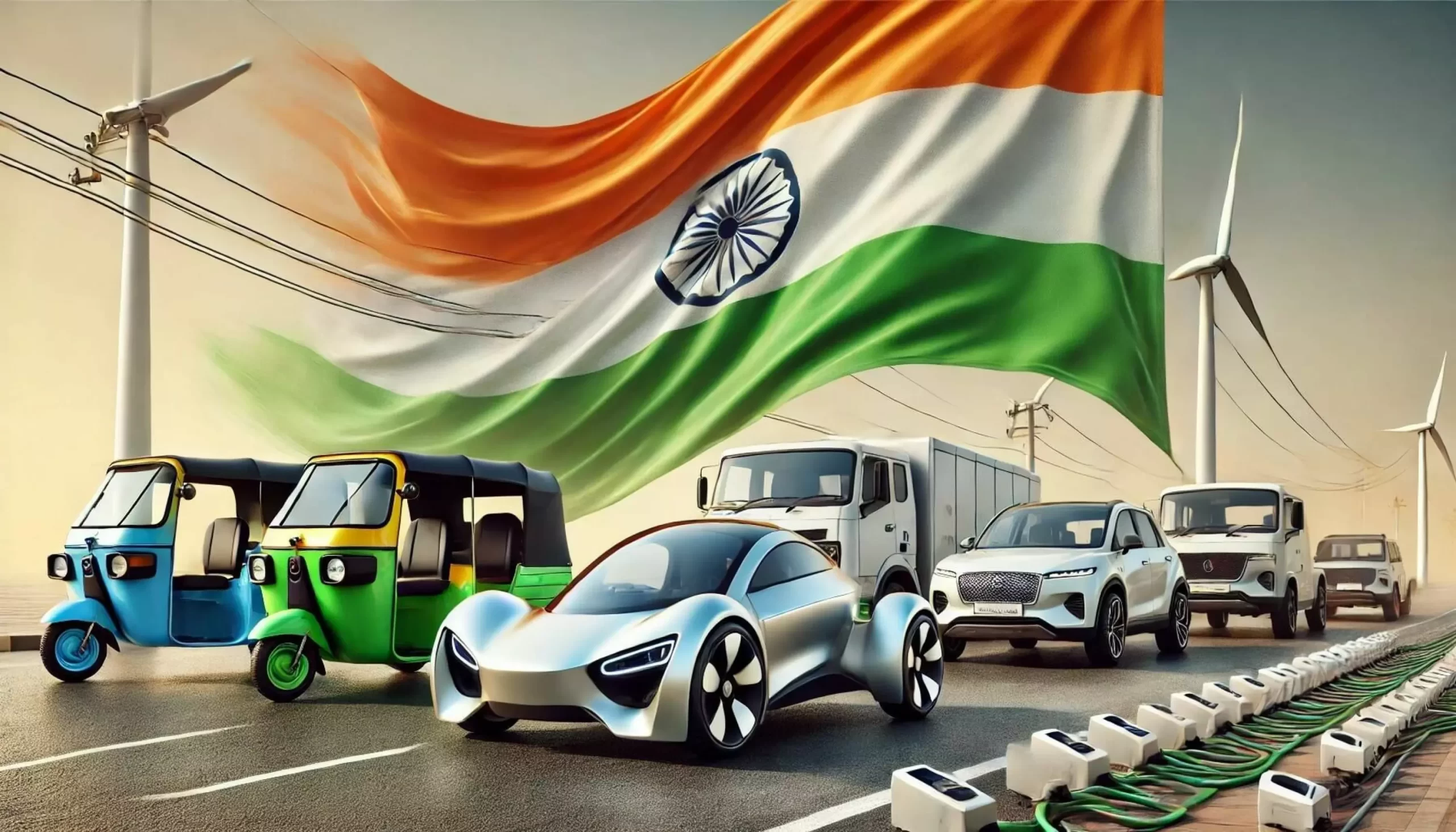
The global shift towards electric vehicles (EVs) has garnered significant momentum over the past few years, driven by increasing environmental awareness, advancing technology, and supportive policies. While new EV sales have been rising rapidly, the importance of a robust **used EV market** has started gaining attention within industry circles, policymakers, and environmental advocates alike. The auto industry emphasizes that for the EV revolution to be truly sustainable and inclusive, **government intervention and support** are not just beneficial but essential. This article delves into why the auto sector underscores the vital role of government in fostering a thriving used EV market and what this could mean for the future of sustainable transportation.
The Significance of a Vibrant Used EV Market
Making EVs More Accessible to a Broader Audience
One of the key benefits of developing a strong used EV market is increased accessibility. New EVs tend to be priced higher than their internal combustion engine (ICE) counterparts, which can be a barrier for many consumers. By encouraging the resale and secondhand market, the initial purchase price becomes less daunting, opening the door for a wider demographic to join the EV movement.
Furthermore, used EVs often have lower depreciation rates, making them a more financially attractive option for budget-conscious buyers. As a result, expanding this segment can accelerate overall EV adoption, contributing significantly to reductions in greenhouse gas emissions and polluted urban air quality.
Environmental and Economic Benefits
Developing a secondary market for EVs not only benefits individual buyers but also amplifies environmental benefits:
- Reduces waste and resource consumption: When EVs have a longer lifecycle through resale, the environmental costs associated with manufacturing new vehicles are mitigated.
- Supports a circular economy: It encourages reuse and recycling of automotive parts, aligning with sustainable practices.
- Stimulates job creation: A thriving used EV market can create opportunities across repair, refurbishment, and sales industries.
The Role of Government in Supporting Used EV Markets
Policy Frameworks and Incentives
The auto industry claims that government support could bridge gaps that hinder the growth of used EV markets. These include:
- Subsidies for refurbishment and resale: Financial incentives can motivate businesses to invest in refurbishing used EVs, ensuring they meet safety and efficiency standards.
- Legislative measures: Establishing clear regulations that promote transparency, safety standards, and consumer rights in the used EV sector.
- Tax benefits: Offering tax credits or reductions for buyers of used EVs, similar to those available for new EVs.
Challenges Addressed by Government Interventions
Despite growing interest, several hurdles impede the growth of the used EV market:
- Lack of standardization: Variations in battery health and vehicle history create buyer hesitation.
- Limited consumer awareness: Many individuals are unaware of the benefits and safety of purchasing used EVs.
- Battery degradation concerns: Uncertainty about battery longevity impacts resale value.
Government policies can address these issues through:
- Implementing certification programs for used EVs
- Providing funding for battery health diagnostics and refurbishment
- Launching awareness campaigns emphasizing the economic and environmental benefits of used EVs
Case Studies and Global Initiatives
Several countries are pioneering efforts to support used EV markets:
- Norway: By offering tax exemptions, deregulation, and extensive charging infrastructure, Norway encourages the reuse and resale of EVs, fostering a vibrant secondhand market.
- China: Through government-led refurbishment programs and subsidies, China has effectively increased the availability of affordable used EVs, leading to rapid market growth.
- United States: Various state-level incentives and programs are being implemented to promote used EV adoption, including trade-in rebates and certification schemes.
Future Outlook and Industry Expectations
Collaborative Efforts for Market Growth
Auto industry executives assert that **collaborations between government bodies, manufacturers, and refurbishers** will be central to unlocking the potential of used EV markets. Investment in infrastructure, consumer education, and standardized resale platforms are seen as crucial elements.
Technological Advancements and Battery Recycling
As battery technology advances, concerns about degradation and recyclability are diminishing. Governments are increasingly funding research into second-life batteries and recycling processes, further supporting the sustainability of the used EV ecosystem.
Market Predictions
Industry experts forecast that, with adequate policy support, the used EV market could surpass the growth rate of new EV sales within the next decade. This shift will not only make EVs accessible to a broader population but also significantly speed up overall environmental benefits associated with electric mobility.
Conclusion
The push for stronger government involvement in growing the used EV market is rooted in the desire to make sustainable mobility more inclusive, economically feasible, and environmentally responsible. By providing policy support, incentives, and infrastructure, governments can catalyze a secondary EV market that complements new vehicle sales, accelerates adoption, and maximizes ecological benefits.
Ultimately, a collaborative approach involving policymakers, industry stakeholders, and consumers is essential to unlock the full potential of the used EV market. Such efforts will pave the way for a cleaner, greener, and more sustainable future of transportation for all.
For more updated news please keep visiting Hourly Prime News.