

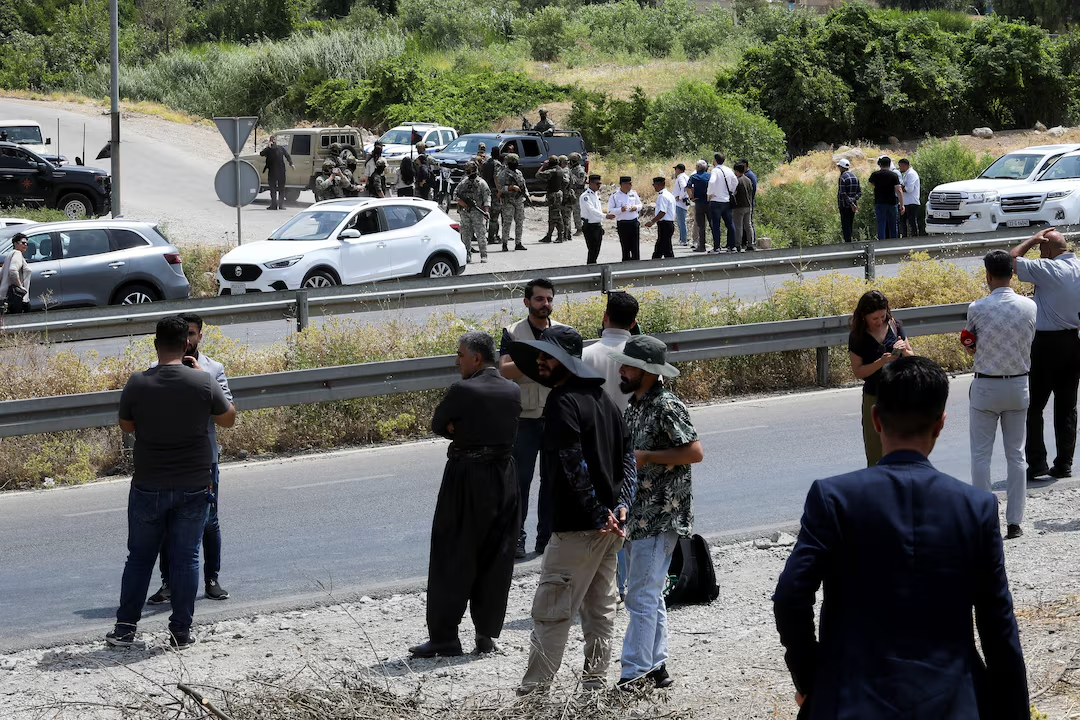
A Historic Turning Point in Kurdish-Turkish Relations
In a development that marks a significant shift in the long-standing conflict between the Kurdistan Workers’ Party (PKK) and Turkey, reports have emerged indicating that PKK militants have started voluntarily handing over their weapons in a cave in northern Iraq. This move signifies a potential breakthrough after decades of armed struggle, negotiations, and intermittent peace efforts. The process of disarmament not only opens a new chapter for the PKK but also offers hope for regional stability and peace in a complex geopolitical landscape.
The Disarmament Process: An Overview
The disarmament efforts are part of a broader initiative initiated by the PKK, which has historically engaged in an armed insurgency against Turkish authorities since 1984. According to Reuters, the process has begun with militants returning weapons in a designated cave in Iraq, a known stronghold for the PKK. The move has garnered international attention, with analysts viewing it as a first step toward peace negotiations and possible demilitarization of the region.
The Significance of Weapon Handovers
Handing over weapons is historically a complex and sensitive process, especially after long periods of conflict. The PKK’s decision to disarm demonstrates a strategic shift and a desire to seek political solutions rather than military confrontation. As detailed in reports from Al Jazeera, this development is viewed as an encouraging sign of reconciliation after four decades of conflict that has left thousands dead and many displaced.
The Broader Context of Peace Negotiations
The disarmament comes amidst ongoing peace negotiations involving multiple stakeholders, including the Turkish government, Kurdish leaders, and international mediators. The peace talks aim to address core issues such as autonomy, cultural rights, and political representation for Kurds in Turkey and the surrounding regions. The PKK’s move to lay down arms is seen as a crucial step towards de-escalation, fostering an environment where political dialogue can replace violence.
Regional and International Reactions
Many regional actors have welcomed the disarmament as a positive step toward stability. The Iraqi government, which hosts a significant PKK presence, has expressed cautious optimism and pledged to support the peace process. Meanwhile, international organizations, including the United Nations and the European Union, have called for continued dialogue and urged all parties to ensure that the disarmament process remains peaceful and sustainable.
However, skeptics warn that challenges remain. Past peace efforts have often faltered due to mutual distrust, unforeseen provocations, and the complex web of regional alliances. Nonetheless, the PKK’s public commitment to disarmament signals a genuine willingness to explore alternatives to armed conflict, which could pave the way for a more comprehensive peace deal.
The Political and Social Implications
This move is not just a military shift but also a political statement by the PKK. Leaders within the organization have emphasized that the disarmament is a “historic, democratic move,” as reported by The Hindu. This highlights a strategic effort to transition from an armed struggle to a political process, advocating for greater political participation and cultural recognition for the Kurdish population.
The process of disarmament could potentially lead to increased political freedoms and greater integration into democratic frameworks. For many Kurds, the disarmament symbolizes hope for recognition, rights, and equality within their respective nations. Socially, it could reduce tensions not just between the PKK and Turkey but also among various ethnic and political groups within the region, fostering a more peaceful coexistence.
Potential Challenges and Future Outlook
Despite the positive momentum, numerous hurdles remain. Ensuring the safety of disarmed fighters, providing economic opportunities, and addressing long-standing grievances are critical for sustaining peace. Moreover, both local and international actors will need to continue facilitating dialogue, monitoring the disarmament process, and preventing any resurgence of violence.
The disarmament in Iraq also raises questions about the future of the PKK’s political aspirations. Will this lead to increased engagement in political processes? Or will it remain a tactical pause in a broader struggle? These questions remain open, and the coming months will be decisive in determining whether this historic move results in lasting peace or if setbacks occur.
Conclusion: A New Dawn for Kurdish Peace Initiatives
The start of weapon handover by Kurdish PKK militants marks a hopeful chapter in a conflict that has endured for over four decades. It underscores the power of negotiation and the importance of dialogue in resolving deep-rooted disputes. While challenges lie ahead, the collective effort from various stakeholders—local communities, national governments, and international actors—can turn this disarmament into a genuine peace process. The region watches with cautious optimism as this historic move unfolds, potentially transforming the landscape of Kurdish-Turkish relations and fostering stability in a volatile region.
For more updated news please keep visiting Hourly Prime News.