

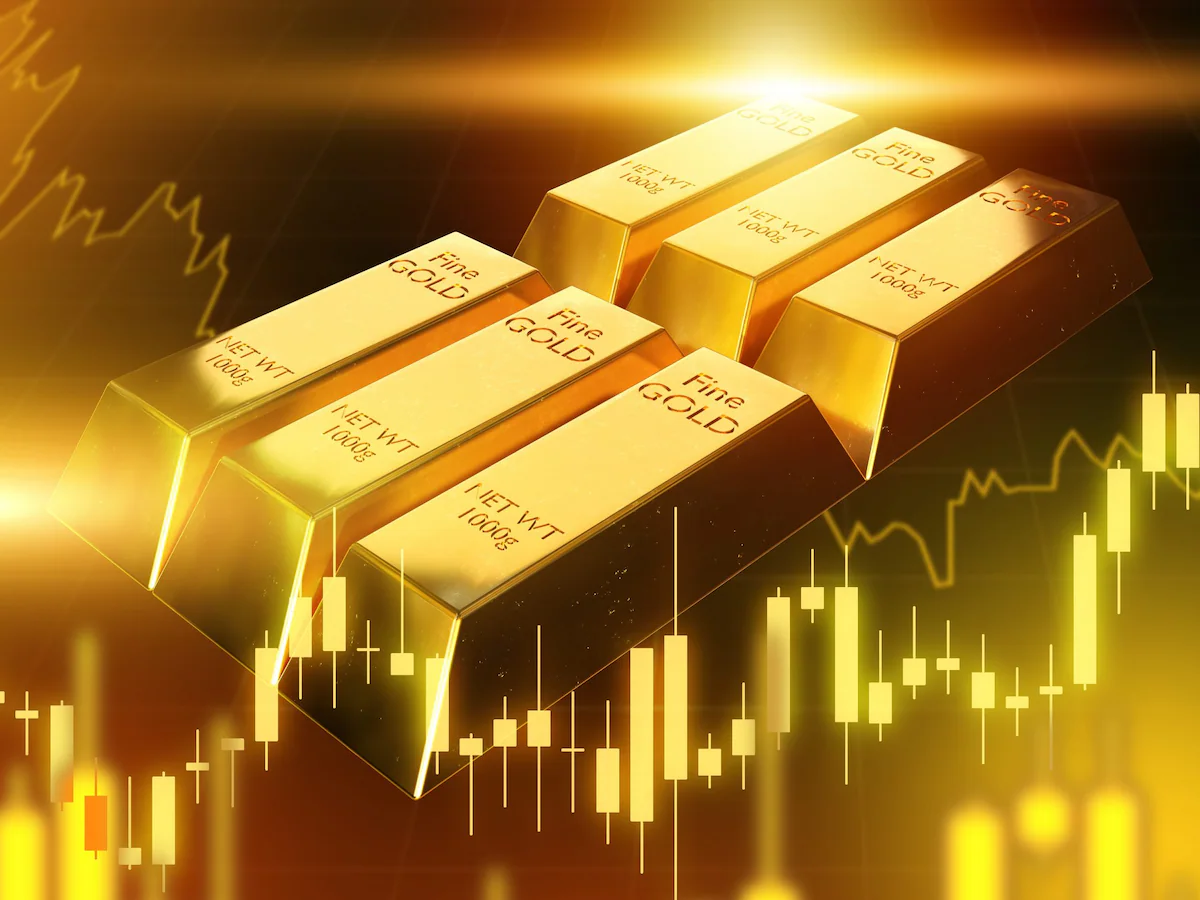
In recent weeks, gold has demonstrated remarkable stability and resilience, maintaining its gains amidst fluctuating market conditions driven by tariff uncertainties and interest rate speculation. This precious metal traditionally serves as a safe haven during times of economic tension and geopolitical uncertainty, and the current scenario continues to reinforce its status.
The Recent Surge in Gold Prices
Gold experienced a notable uptick over the past two days, buoyed by global economic concerns and investor apprehension about upcoming policy decisions. As reported by Gold Holds Two-Day Rise With Tariffs and Interest Rates in Focus, the upward momentum was driven by heightened concerns around escalating tariffs across multiple economies and the potential impacts on global trade. Additionally, investor attention was sharply focused on central banks’ interest rate strategies, which directly influence gold prices.
Impact of Tariff Uncertainty on Gold
Global Trade Tensions and Their Effect on Safe-Haven Assets
Tariff wars and trade disputes have created a climate of uncertainty that often benefits gold. When international trade tensions rise, investors tend to move their assets into assets perceived as safe, such as gold. Recent moves by major economies to impose or threaten tariffs on imports and exports have added fuel to this uncertainty. This instigates increased demand for gold, helping it maintain or elevate its price levels.
Furthermore, the unpredictability regarding trade policies magnifies concern over global economic growth prospects. As tariffs threaten to hamper trade flows and slow growth, precious metals often become a strategic hedge for investors looking to mitigate risk.
The Role of Interest Rates in Gold’s Performance
Interest Rate Dynamics and Investor Sentiment
Interest rates set by central banks significantly influence gold prices. When rates are low or expected to decrease, gold becomes more attractive because it does not generate periodic interest or dividends, making it a preferred store of value during lending rate declines. Conversely, rising interest rates can diminish gold’s appeal as opportunity costs increase.
Currently, markets are closely monitoring the trajectory of U.S. Federal Reserve policies and other major central banks. Any signals hinting at interest rate hikes or pauses can cause fluctuations in gold’s appeal. During times when rate hikes are anticipated, investors might foresee a decline in gold prices, but persistent geopolitical or economic uncertainties can offset this trend.
Market Sentiment and Investment Strategies
Gold’s recent performance reflects a delicate balance between macroeconomic indicators, geopolitical developments, and monetary policy outlooks. It has managed to sustain its gains despite volatility in equity markets and forex segments. Many investors perceive gold as a hedge against inflation, currency depreciation, and economic downturns.
Strategic Considerations for Investors
- Diversification: Including gold in investment portfolios can reduce overall risk, especially during periods of high uncertainty.
- Hedging: Gold serves as an effective hedge against inflation and currency devaluation.
- Liquidity: Gold’s high liquidity enables swift entry and exit, making it ideal for short-term trading or long-term holdings.
Yet, investors must also remain cautious of factors such as fluctuating interest rates, currency movements, and geopolitical developments, all of which can influence gold’s trajectory.
Technological and Market Factors Influencing Gold Trends
Technological Innovations and Supply Dynamics
While macroeconomic factors dictate the overall trend, supply-side elements also play a role. Gold mining outputs, geopolitical stability in resource-rich regions, and technological advancements in extraction methods can impact supply and, consequently, prices.
Meanwhile, market tools like ETFs, futures contracts, and physical holdings offer diverse avenues for investors to participate in the gold market. These instruments allow for flexible exposure depending on market outlooks and risk appetite.
Expert Opinions and Future Outlook
Market analysts suggest that gold is likely to remain resilient in the short to medium term, catalyzed by ongoing trade tensions and potential shifts in interest rate policies. While some anticipate a correction or consolidation phase, the overall risk environment supports sustained demand for the precious metal.
Looking ahead, investors should keep an eye on:
- Geopolitical developments: Escalations or de-escalations in trade conflicts, geopolitical tensions, and diplomatic negotiations.
- Monetary policies: Central bank statements, interest rate modifications, and inflation targets.
- Currency fluctuations: Particularly the strength of the U.S. dollar, which inversely correlates with gold prices.
Conclusion
Despite oscillations influenced by economic indicators and geopolitical events, gold continues to maintain its gains. Its role as a safe-haven asset remains unquestioned as investors navigate an environment filled with tariff concerns, interest rate uncertainty, and geopolitical tensions. The recent two-day rise underscores the market’s cautious optimism and strategic positioning amidst these challenges.
As the global economic landscape evolves, gold’s position as a key asset in diversified portfolios seems set to persist. Investors are advised to monitor macroeconomic signals, policy developments, and geopolitical developments closely to make informed decisions.
Ultimately, gold’s resilience highlights its importance in times of uncertainty, promising potential opportunities for those prepared to navigate its cycles wisely.
For more updated news please keep visiting Hourly Prime News.