

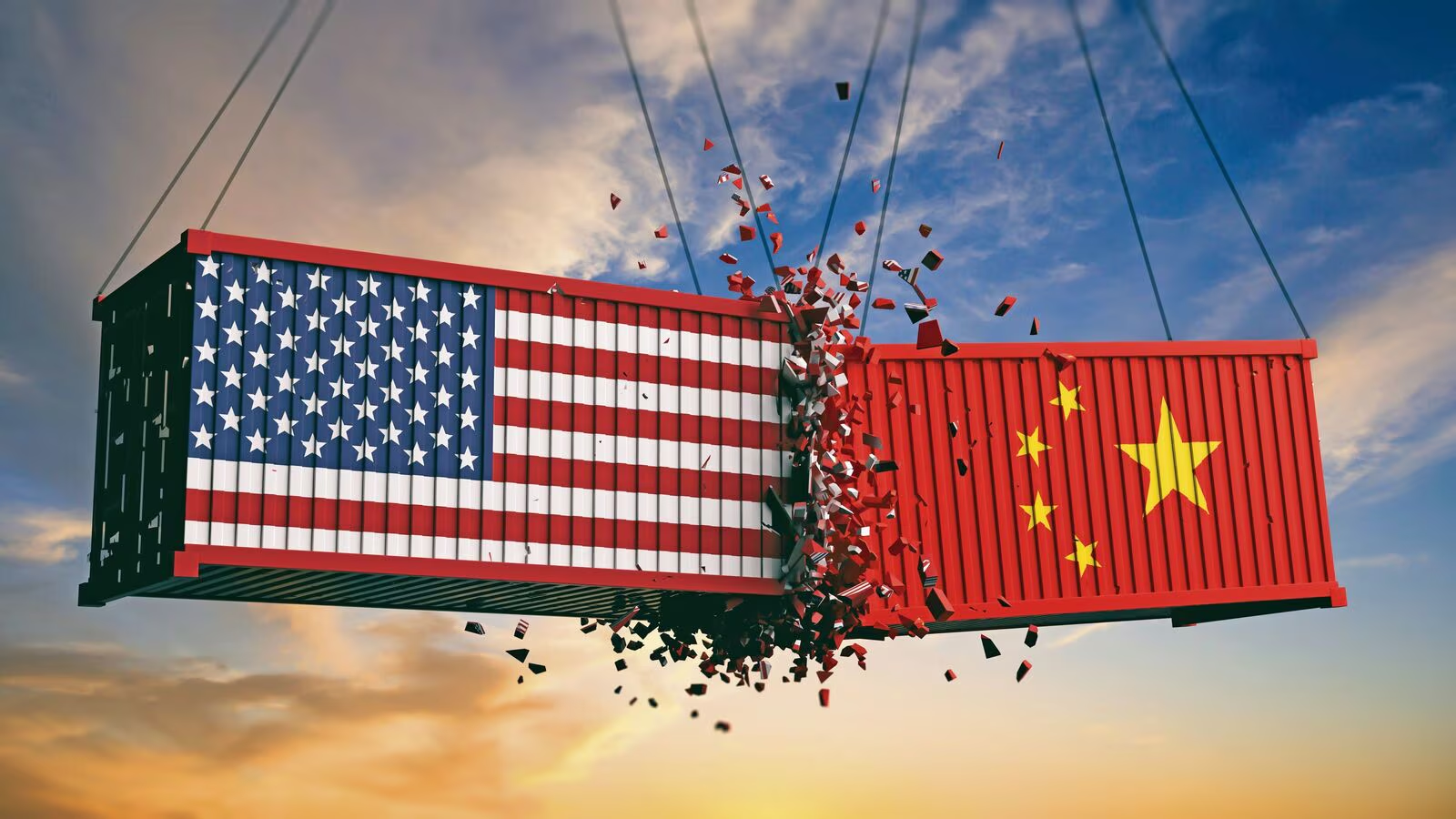
The global landscape of international education has traditionally been a robust component of the United States’ economic and cultural influence. American universities and educational institutions attract millions of international students each year, contributing significantly to the country’s economy and fostering global relationships. However, recent geopolitical tensions and the escalation of trade disputes threaten to undermine this vital sector, raising concerns among policymakers, educators, and economic analysts alike.
Understanding the Significance of US Education Exports
The export of educational services is one of the United States’ top non-traditional exports. In fact, data indicates that the U.S. education sector generates billions of dollars annually, supporting thousands of jobs and strengthening diplomatic ties across the globe.
- Economic Impact: International students pay hefty tuition fees, often subsidizing the operating costs of American institutions.
- Cultural Exchange: Students returning home foster goodwill, understanding, and long-term diplomatic connections.
- Innovation and Research: International collaborations lead to breakthroughs in various fields, benefiting the global community.
However, as the article from The Coast News highlights, trade tensions are now casting a shadow over this lucrative sector.
How Trade War Tensions Threaten US Education Export
Escalating Geopolitical Conflicts
Trade wars, especially those involving major economic powers like China and the United States, have wide-ranging implications beyond tariffs and market shares. They can also influence visa policies, student mobility, and international collaboration initiatives. The ongoing disputes have created an environment of uncertainty, deterring prospective international students from choosing American universities for their higher education pursuits.
Impacts on International Student Enrollment
Enrollment figures are already showing signs of decline in certain sectors. Factors contributing to this downturn include:
- Visa Restrictions: Stricter visa policies, often a consequence of diplomatic tensions, complicate the process for international students seeking to study in the U.S.
- Political Climate: Perceptions of unstable relations and unfavorable policies discourage students from countries like China, India, and others.
- Economic Uncertainty: Potential trade disruptions can lead to financial concerns for international students and their families.
This decline not only impacts university revenues but also stifles the cross-cultural exchange that enriches American academia and global understanding.
Consequences of a Prolonged Trade War on Education
Financial Losses and Institutional Struggles
Institutions heavily reliant on international tuition face budget shortfalls. With fewer international students, universities must find alternative funding sources or face program cutbacks and layoffs. This economic strain could compromise the quality of education and research capabilities.
Diplomatic and Cultural Setbacks
The educational relationship between the U.S. and other nations forms a pillar of soft power. Disruptions threaten to erode this influence, creating a vacuum that competing nations, such as China and European countries, could fill by promoting their own higher education sectors.
Long-term Innovation and Research Impediments
International collaboration fuels innovation through diverse perspectives and shared expertise. Trade tensions hinder such collaborations, delaying breakthroughs in science, technology, and medicine vital for addressing global challenges.
Strategies to Mitigate the Impact
Policy Responses and Diplomatic Outreach
To preserve the integrity of the US education export sector, it is essential for policymakers to adopt strategies that:
- Push for Diplomatic Engagement: Maintain open channels to mitigate misunderstandings and promote international cooperation.
- Streamline Visa Processes: Ensure that visa policies are transparent and accessible, encouraging students to choose the U.S.
- Promote Education as a Diplomatic Tool: Highlight the role of student exchanges and academic collaborations in strengthening bilateral relationships.
Institutional and Academic Initiatives
Universities can also take proactive steps such as:
- Enhancing Virtual Learning: Expand online programs to reach international students unable or unwilling to travel amid tensions.
- Building Partnerships: Collaborate with international institutions outside traditional diplomatic channels.
- Offering Financial Incentives: Scholarships and financial aid can attract international students despite geopolitical uncertainties.
The Road Ahead
While trade wars and geopolitical conflicts pose tangible risks to the US’s educational exports, they also serve as a wake-up call for diversification and innovation. By adopting strategic policies and fostering resilient academic networks, the United States can continue to attract international students and maintain its position as a leading global educational hub.
It is crucial to recognize that education is a long-term investment with benefits extending beyond economics. It strengthens cultural ties, promotes mutual understanding, and sustains the global influence of the United States.
Final Thoughts
The ongoing trade conflicts are more than just economic disagreements—they have far-reaching implications that threaten the core of America’s soft power. As tensions rise, stakeholders must collaborate to develop resilient policies that protect and nurture the nation’s educational exports, ensuring that the US remains a preferred destination for students worldwide.
In conclusion, preventing the adverse effects of trade wars on education will require visionary leadership, diplomatic finesse, and proactive institutional strategies. The future of US international education hinges on our collective ability to navigate these complex geopolitical waters.
For more updated news please keep visiting Hourly Prime News.