

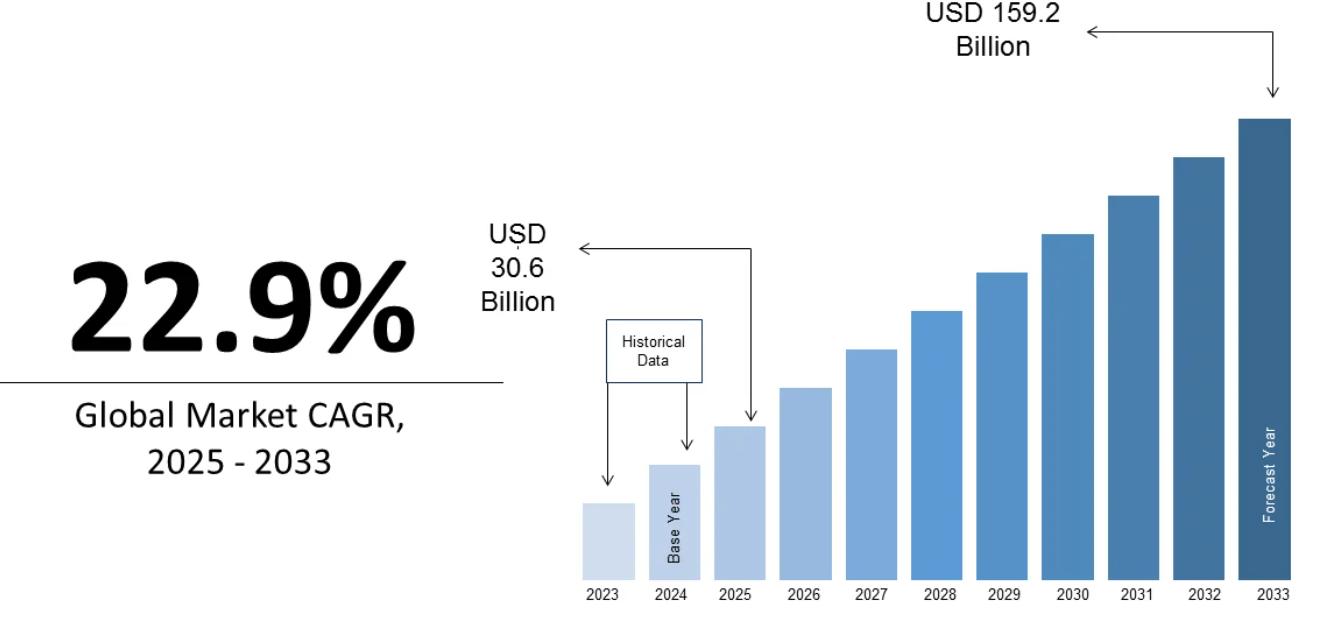
The North American cannabis industry has emerged as a dynamic and fast-evolving sector over the past decade. As legal frameworks become more permissive and societal attitudes shift favorably towards cannabis consumption, market players and investors are keenly monitoring the trajectory of this lucrative industry. The forecast spanning from 2025 to 2033 indicates substantial growth, driven by regulatory advancements, increasing consumer acceptance, and innovations in cannabis-based products.
Market Overview and Key Drivers
The **North America legal cannabis market** has demonstrated remarkable growth, with a sizable contribution from the United States and Canada. According to the recent North America Legal Cannabis Market Size, Share, Trends and Forecast Report 2025-2033 by Yahoo Finance, market growth is propelled by several significant factors:
- Expanding Legalization Frameworks: Multiple U.S. states are legalizing recreational cannabis, paving the way for broader acceptance and market expansion. Canada’s nationwide legalization in 2018 set a precedent for widespread market development.
- Increasing Consumer Demand: Consumers are increasingly seeking cannabis for medicinal, recreational, and wellness purposes, fueling demand across diverse age groups and demographics.
- Technological and Product Innovation: Advancements in cultivation, processing, and product delivery methods have created a wide array of cannabis products, from edibles and oils to topicals and beverages.
- Investment and Policy Support: Public and private investments, along with supportive policies, are fostering industry growth and infrastructure development.
Market Segmentation and Trends
Product Types and Consumer Preferences
The market segmentation broadly encompasses various **product types**, including:
- Flowers and Buds: Still the most traditional and preferred form of cannabis consumption.
- Edibles and Beverages: Products infused with cannabis are gaining popularity, especially among consumers seeking discreet or enjoyable consumption methods.
- Concentrates and Extracts: For users seeking potent effects, concentrates like wax, shatter, and oils are in high demand.
- Topicals and Wellness Products: Growing interest in health and wellness has driven the development of cannabis-infused creams, balms, and oils.
The trend towards healthier, discreet, and alternative consumption methods is likely to continue, promoting innovation and diversity in product offerings.
Regional Dynamics and Market Share
The geographic landscape of the North American cannabis market is characterized by variations in regulation, consumer behavior, and commercial activity:
- United States: As the largest market, the U.S. exhibits a mosaic of state-level legalizations, with California, Colorado, and Illinois leading in market size and innovation.
- Canada: Canada’s nationwide legalization and mature regulatory framework have created a robust and organized market, with significant contributions from provinces like Ontario and British Columbia.
- Emerging Markets: States and regions gradually legalizing cannabis are expected to contribute significantly to overall growth, especially as policies evolve.
Forecast and Market Projections (2025-2033)
The forecast depicted in the market report suggests an optimistic outlook, projecting that the North American cannabis industry will continue its upward trajectory through 2033. Key highlights of the forecast include:
- Consistent Double-Digit Growth: The market is expected to grow at a compound annual growth rate (CAGR) between 15-20%, driven by expanding legalization and consumer appetite.
- Market Size Doubling or Tripling: By 2033, the market size could potentially triple the current valuation, reaching new heights as more regions adopt legalization policies.
- Shift Towards Premium and Premiumization: Consumers’ increasing willingness to pay for high-quality, potent, and innovative products will influence market dynamics.
Opportunities and Challenges Ahead
Opportunities
The forecast reveals numerous opportunities that market players can capitalize on:
- Product Diversification: Crafting innovative products tailored for specific health conditions or consumer preferences.
- International Trade and Exports: As the regulatory landscape stabilizes, export opportunities to other regions and countries may emerge.
- Branding and Marketing: Establishing strong brands and targeted marketing strategies in an evolving legal environment could offer significant competitive advantages.
- Research and Development: Continued R&D to optimize formulations, delivery methods, and to uncover medicinal benefits.
Challenges to Overcome
Despite the optimistic forecast, the industry must navigate several hurdles:
- Regulatory Uncertainty: Changes in legal policies at federal, state, or provincial levels could impact market stability.
- Banking and Financial Services: Limited access to banking services remains a significant obstacle for many cannabis businesses.
- Market Saturation and Competition: As the industry matures, increased competition could lead to price pressures and consolidation.
- Public Perception and Education: Ongoing efforts are needed to promote responsible use and dispel misinformation.
Emerging Trends Shaping the Future
Several key trends are shaping the future of the North American cannabis market:
- Focus on Wellness and CBD: The wellness segment, especially CBD-based products, is gaining traction among consumers seeking therapeutic benefits without psychoactive effects.
- Technological Integration: Adoption of data analytics, e-commerce platforms, and blockchain for supply chain transparency and consumer engagement.
- Sustainable Cultivation: Growing emphasis on environmentally friendly cultivation practices, reducing carbon footprints, and sustainable packaging.
- Medical Research Advances: Increasing clinical research to substantiate medicinal claims and expand medical use cases.
Conclusion
The North American cannabis market is poised for extraordinary growth from 2025 through 2033. The combination of legislative momentum, societal acceptance, and innovation will facilitate a highly competitive, diverse, and lucrative industry landscape. Stakeholders who adapt to regulatory shifts, focus on product quality, and emphasize sustainability will be best positioned to capitalize on the immense opportunities ahead.
As the market continues to evolve, keeping abreast of policy changes, consumer trends, and technological innovations will be crucial for success in this rapidly expanding industry.
For more updated news please keep visiting Hourly Prime News.