

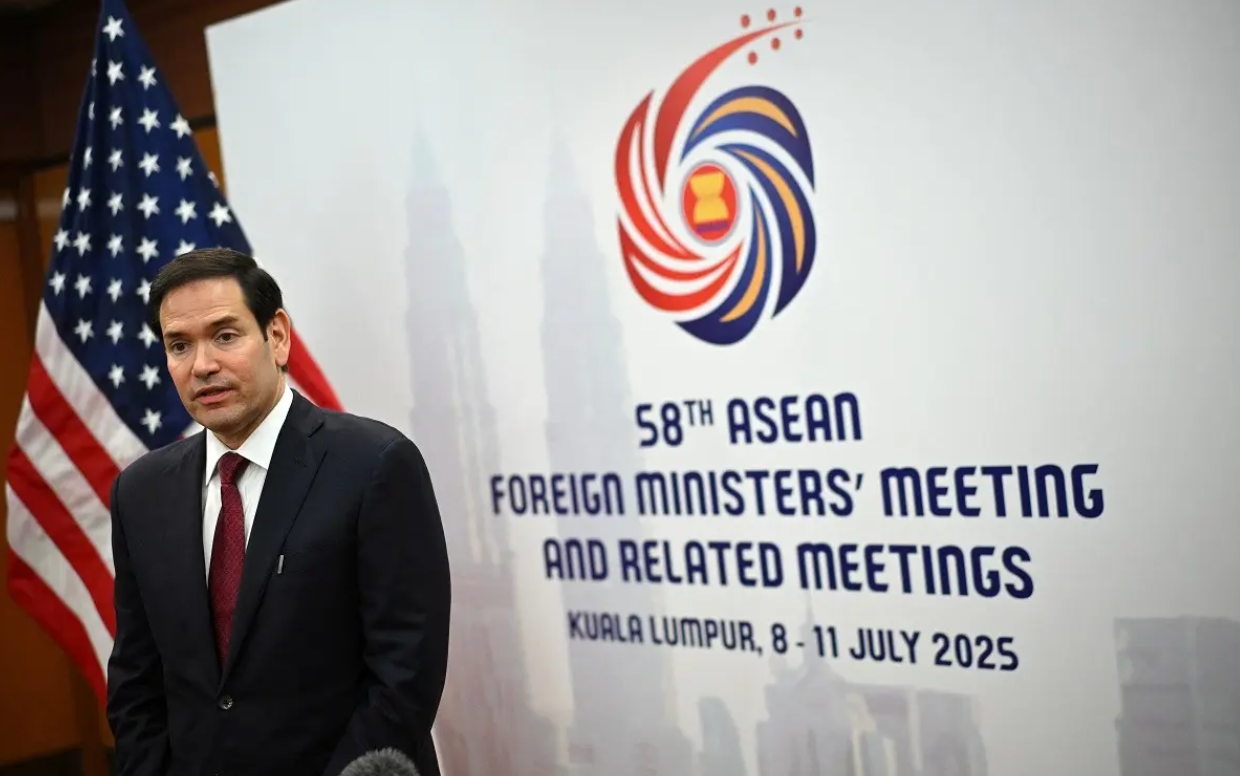
Introduction: A Diplomatic Journey in a Minefield
Arab American senator Marco Rubio’s recent trip to Asia marks an important chapter in U.S. foreign policy amid rising tensions over trade tariffs imposed during the Trump administration. As the United States navigates a complex web of geopolitical rivalries, Rubio’s visit underscores the strategic importance of maintaining diplomatic ties within the rapidly evolving Asian landscape. This trip is not just about diplomatic protocol; it symbolizes a delicate balancing act where economic interests, regional security, and diplomatic alliances intersect against the backdrop of U.S.-China competition.
The Context: US-China Tensions and the Trump Tariffs
The roots of Rubio’s visit can be traced to ongoing disputes between the United States and China, primarily driven by tariffs enacted during Donald Trump’s presidency. These tariffs, aimed at protecting American industries, have instead led to retaliatory measures, affecting global trade flows and regional stability. The Reuters article highlights that this trip comes at a time when unease prevails among America’s allies and trading partners about possible spill-over effects and the broader implications of U.S. policies. The imposition of tariffs has not only strained economic relations but also cast a shadow over diplomatic initiatives aimed at strengthening regional partnerships.
The Trump administration’s tariff policies were a significant pivot from traditional trade agreements, emphasizing tariffs as a tool of economic diplomacy. However, these measures have garnered criticism for risking global economic stability and complicating alliances, especially with ASEAN nations and other partners in Southeast Asia. Rubio’s journey, therefore, carries the weight of ensuring that diplomatic engagement persists despite these economic headwinds.
Rubio’s First Asia Trip: Objectives and Expectations
Given the backdrop, Rubio’s visit aims to serve multiple strategic objectives:
- Reaffirm Alliances: Strengthening ties with key ASEAN countries and Asian allies to counterbalance China’s influence.
- Diplomatic Engagement: Engaging in discussions surrounding regional security, trade policies, and collective responses to China’s growing assertiveness.
- Trade and Economic Cooperation: Highlighting the importance of resilient economic partnerships that can withstand tariffs and economic disputes.
- Countering China’s Soft Power: Promoting American values and establishing a clear stance on trade and security issues.
While the trip is historic in itself, given it is Rubio’s first official visit to the region, its success hinges on tangible outcomes. As reported by the Hindustan Times, there is also an underlying concern that ongoing tariff disputes could overshadow diplomatic efforts, even as the U.S. seeks to project strength and partnership in Asia.
The Impact of Trump’s Tariffs on Diplomatic Relations
The trip’s significance is amplified by the shadow cast by Trump’s tariffs. Articles from sources like the Indian Express point out that tariffs have disrupted traditional diplomacy, forcing countries in the region to reassess their economic dependencies and alliances. These tariffs have created an atmosphere of uncertainty, leading to a cautious approach by Asian nations wary of becoming collateral damage in the economic tussles between the U.S. and China.
Furthermore, the Hindustan Times emphasizes that these tariffs could potentially hinder the diplomatic momentum Rubio seeks to build, especially with Southeast Asian nations that are still balancing economic cooperation with China and the U.S. The possibility of tariffs overshadowing diplomatic visits reflects a broader challenge: how can the U.S. maintain a strategic partnership in a trade war environment?
Rubio’s Strategic Moves: Bridging Regional Ties and Addressing Threats
Rubio’s approach appears to be focused on pragmatic diplomacy—aiming to reinforce alliances and address regional security concerns directly. As detailed in Firstpost, Rubio’s meetings include discussions on strengthening ties with ASEAN nations and engaging with regional leaders on shared interests such as combating maritime security threats, North Korea’s missile program, and economic resilience. The goal is to foster a united front that can withstand economic shocks induced by tariffs and trade disputes.
In addition, the Indian Express details efforts to reinforce commitments to economic cooperation with Asia, emphasizing that the U.S. recognizes the strategic importance of ASEAN and the need for a balanced, multilateral approach in the face of Chinese influence. Rubio’s visit thus symbolized a broader effort to reaffirm America’s presence and trustworthiness in the region, even amidst trade tensions.
Diplomatic Challenges and Regional Dynamics
While Rubio’s trip underscores the importance of diplomacy, it also highlights the complexities of regional dynamics. As the ASEAN Post-Ministerial Conference suggests, there is ongoing dialogue about the future trajectory of the U.S.-ASEAN relationship, especially regarding the “Comprehensive Strategic Partnership,” which seeks to deepen cooperation on security, economic, and technological fronts. However, concerns remain that the lingering economic uncertainties caused by tariffs could hinder these initiatives.
Furthermore, the ongoing discussion about tariffs advancing to a broader economic decoupling threatens to foster a fractured regional landscape. Countries are increasingly wary of choosing sides, balancing economic ties with both the U.S. and China. Rubio’s diplomatic efforts are thus critical in persuading ASEAN nations to view the U.S. as a reliable partner capable of mutual growth despite economic disagreements.
Implications for Future US-Asia Relations
Rubio’s trip sets the tone for the future trajectory of U.S.-Asia relations, especially in a world where trade disputes threaten to redefine diplomacy. The ongoing friction over tariffs signals the necessity for innovative diplomatic strategies; traditional tools of diplomacy are now interwoven with economic policy decisions that have long-term impacts.
As reported by The Indian Express, the trip also seeks to signal U.S. commitment to maintaining regional influence and countering China’s expanding soft power. The aim is to strike a balance—asserting economic and security interests while avoiding alienation of regional partners.
Conclusion: A Diplomatic Balancing Act
In sum, Rubio’s first Asia trip amid the turbulence of the Trump-era tariffs exemplifies the intricate dance of diplomacy in a polarized global economy. It demonstrates the U.S.’s recognition of Asia’s critical role and the necessity of strengthening alliances beyond economic disagreements. While tariffs pose significant challenges, diplomatic visits like Rubio’s serve as vital instruments to reaffirm commitments, foster dialogue, and craft strategies to overcome trade and security hurdles.
As global leaders navigate a shifting geopolitical landscape, the success of such trips will hinge on their ability to translate diplomatic initiatives into tangible regional partnerships. Maintaining open channels of communication and trust will be key as the U.S. seeks to balance economic protectionism with regional stability and influence.
For more updated news please keep visiting Hourly Prime News.