

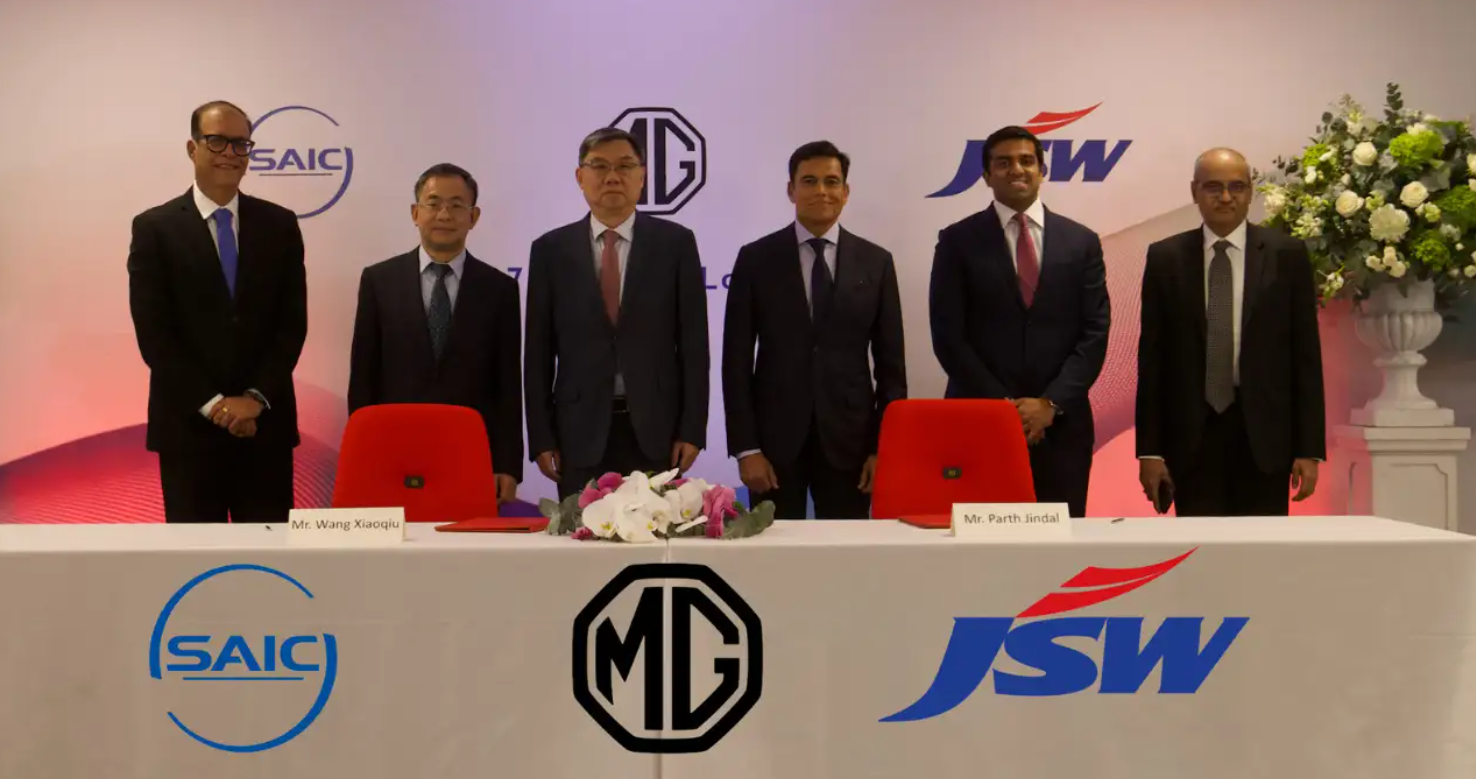
The dynamic landscape of the Indian automotive industry continues to evolve, especially with significant shifts involving international giants. Recently, the announcement that the **SAIC Motor Corporation**, one of China’s leading automotive manufacturers, is planning to exit the Indian market has sent ripples through the industry. Amid this major development, the JSW Group, a prominent Indian conglomerate known for its diversification into steel, energy, infrastructure, and now automobiles, is poised to strengthen its foothold in the automotive sector by increasing its stake in **JSW MG Motor India**.
Understanding the Context of SAIC’s Market Exit
SAIC Motor’s decision to withdraw from the Indian market appears to be part of a larger strategic realignment. The company, which launched its MG (Morris Garages) brand in India a few years ago, initially aimed to leverage the fast-growing demand for SUVs and compact vehicles. However, despite initial optimism, various challenges such as increasing competition from domestic players, regulatory hurdles, and fluctuating consumer preferences seem to have impacted its operations negatively.
Details from recent reports indicate that SAIC is actively exploring options to unwind their investments in India, leading to a potential exit. The move underscores the challenging environment foreign automakers are facing, especially with the growing prominence of local manufacturers like Tata, Mahindra, and newer entrants such as Kia and Hyundai, which have established a robust presence. The exit also signals a strategic retreat for SAIC, possibly to re-evaluate their global footprint and focus on more lucrative markets.
JSW Group’s Strategic Expansion in the Automotive Sector
In contrast to SAIC’s retreat, the **JSW Group** appears to be eyeing a strategic leap forward. With its recent plans to increase its stake in JSW MG Motor India, the conglomerate demonstrates a clear intent to cement its position in this fast-growing sector. This move aligns with JSW’s broader vision to diversify beyond its traditional steel and energy businesses, bolstering its presence in the automotive industry through substantial investments.
The decision to increase ownership is backed by multiple factors:
- Market potential: The Indian automotive sector continues to grow robustly, driven by rising urbanization, income levels, and government incentives for electric vehicles (EVs). JSW aims to tap into this expanding market.
- Synergistic opportunities: JSW’s existing manufacturing capabilities, especially in steel, can be synergized with automotive production, reducing costs and improving integration.
- Strategic positioning: By increasing stake, JSW can exert more control over operations, branding, and product development, tailoring offerings to local consumer preferences.
Implications of SAIC’s Exit and JSW’s Expansion
For the Indian Automotive Industry
The exit of a major international player like SAIC might be seen as a setback for foreign investment in India’s automotive sector. However, it could also open doors for domestic firms and local conglomerates like JSW to fill the void, leading to more indigenous innovation and competitiveness.
Moreover, it signals an increasing importance of local manufacturing and strategic alliances that are more attuned to domestic market demands. The Indian government’s push for Atmanirbhar Bharat (self-reliant India) complements this trend, providing incentives and a more conducive environment for homegrown players.
For JSW Group
This move is a testament to JSW’s confidence in India’s automotive future. By increasing their stake, JSW aims to leverage its industrial expertise, access to cutting-edge automotive technologies, and cost efficiencies to compete effectively. This expansion could also pave the way for investments in electric mobility, autonomous vehicles, and other innovations shaping the future of transportation.
Future Outlook for JSW MG Motor India
With the enhanced stake, JSW is well-positioned to accelerate product development, expand its dealership network, and improve customer service. The company is likely to introduce new models, possibly focusing on electric and hybrid vehicles to align with global sustainability goals and India’s push for greener transportation solutions.
Moreover, JSW’s entry into the passenger vehicle segment is expected to intensify competition among domestic and foreign automakers in India. The company’s focus on quality, technology, and affordability will be crucial in appealing to the diverse Indian consumer base.
Potential Challenges and Considerations
While the prospects are promising, JSW Group must navigate various challenges:
- Supply chain disruptions: Global supply chain issues can impact production schedules and cost structure.
- Regulatory and policy environment: Evolving emission standards and safety regulations require continuous innovation and compliance.
- Consumer preferences: Understanding and adapting to local tastes, especially in the electrification trend, remains vital.
Additionally, managing brand perception and establishing a robust after-sales network will be key to sustaining growth in a competitive market.
Conclusion
The unfolding scenario of SAIC’s exit and JSW’s increased stake in JSW MG Motor India encapsulates the shifting sands of India’s automotive industry. It highlights opportunities for local businesses to rise, innovate, and meet the increasing demand for mobility solutions. JSW’s strategic move not only signifies confidence in India’s automotive outlook but also emphasizes the importance of domestic industry resilience and adaptability.
As JSW harnesses this momentum, the coming months will be critical in observing how their expansion influences market dynamics, consumer choices, and the broader ecosystem of automobile manufacturing in India.
Overall, this development underlines the importance of strategic agility and local strength in navigating a rapidly changing global auto industry landscape.
For more updated news please keep visiting Hourly Prime News.