

Introduction
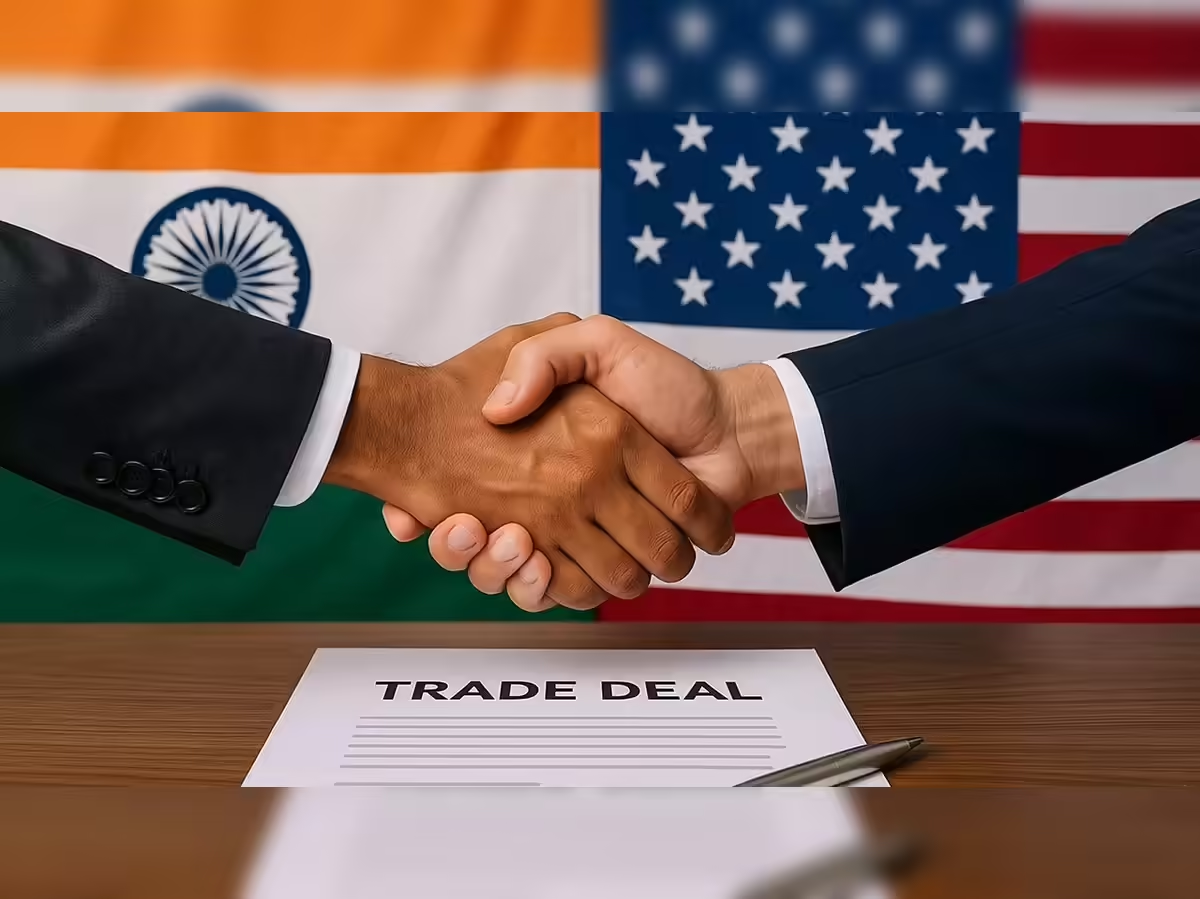
The landscape of international trade is continuously evolving, with regional and bilateral negotiations playing a pivotal role in shaping economic policies. As the global economy becomes more interconnected, the trade relations between India and the United States remain a focal point for policymakers, businesses, and investors alike. Recent reports suggest that India’s trade negotiation team is scheduled to visit the United States next week, signaling a renewed push towards strengthening bilateral ties and addressing key trade issues.
Context and Background
India and the US have long been significant trading partners, with their economic relationship spanning multiple sectors including technology, pharmaceuticals, agriculture, and manufacturing. Historically, the negotiations have revolved around tariff arrangements, trade barriers, intellectual property rights, and market access. Recent years have seen both countries seek to enhance cooperation while addressing lingering trade imbalances and disputes. The upcoming visit of India’s negotiating team is seen as a strategic move to reinforce commitments, resolve ongoing issues, and explore new avenues for collaboration.
What Prompted the Upcoming Visit?
The plan for the Indian trade delegation’s visit comes amidst heightened activity in trade news circles, with reports from CNBC-TV18 highlighting the possibility of negotiations taking a more serious turn in the coming days. As tariffs and other trade barriers continue to be a concern, both nations appear motivated to find mutually beneficial solutions. The visit aims to:
- Address Tariff and Non-Tariff Barriers: Negotiators are expected to discuss reducing tariffs on key Indian exports and eliminating non-tariff barriers that hinder smooth trade flow.
- Enhance Market Access: India seeks better access for its agricultural and manufacturing products in the US market, while the US aims for more favorable conditions for its technology and services sectors in India.
- Intellectual Property Rights and Innovation: Strengthening cooperation on intellectual property protections and fostering innovation-based trade.
- Resolve Disputes and Clarify Policies: Clarification of existing trade policies and resolving pending disputes to ensure clearer pathways for businesses from both countries.
Implications of the Visit
Strengthening Bilateral Ties
This visit is anticipated to bolster bilateral relations, laying groundwork for future trade agreements and strategic partnerships. Both countries recognize the importance of a stable and predictable trade environment, especially in a time of global economic uncertainty.
Impact on Global Trade
The outcomes of these negotiations could reverberate beyond bilateral borders, influencing trade dynamics in Asia and North America. A successful dialogue might set a precedent for resolving complex trade issues through diplomatic engagement rather than unilateral measures.
Key Sectors Likely to Be Discussed
Technology and Software: Given the crucial role of technology in bilateral trade, negotiations will likely focus on easing restrictions and fostering innovation collaboration.
Agriculture and Food Products: The US exports a substantial volume of agricultural products to India, such as soybeans, dairy, and meat. Discussions may aim to improve market access and safety standards.
Pharmaceuticals and Healthcare: Both nations are leaders in pharmaceuticals, and the negotiations could pave the way for smoother drug approval processes and patent protections.
Manufacturing and Machinery: Tariffs and trade barriers affecting machinery and industrial equipment are expected to be on the agenda.
Challenges and Expectations
While optimism surrounds the upcoming negotiations, several hurdles remain. The US may push for more open markets for its tech companies and service providers, while India seeks to safeguard its nascent manufacturing sector. Respecting each other’s domestic policies and economic priorities will be key for successful negotiations.
Experts anticipate that progress may be gradual, with some issues requiring multiple rounds of dialogue. However, the willingness of both sides to engage constructively indicates a positive trajectory for future trade relations.
Expert Opinions and Market Reactions
Trade analysts believe that this visit is a pivotal moment, with potential to unlock new trade opportunities. “A successful negotiation could lead to a win-win situation, boosting economic growth on both sides,” said a senior economist. Investors and businesses are also watching closely, awaiting signs of policy clarity that could influence market movements.
On the geopolitical front, strengthening India-US trade ties may also serve broader strategic interests, including cooperation on regional security and technology governance.
Conclusion
The upcoming visit of India’s trade negotiating team to the United States marks a crucial step forward in refining bilateral economic ties. As both nations navigate complex trade landscapes, dialogue and diplomacy will be essential in achieving mutually beneficial agreements. While challenges persist, the spirit of cooperation evident in recent reports suggests that the future holds promising opportunities for enhancing trade and economic partnership.
Looking Ahead
As negotiations unfold, stakeholders from governments, industries, and consumer groups will be keenly interested in the outcomes. The success of this visit could set the tone for future negotiations and shape the trajectory of India-US economic relations in the years to come.
For more updated news please keep visiting Hourly Prime News.