

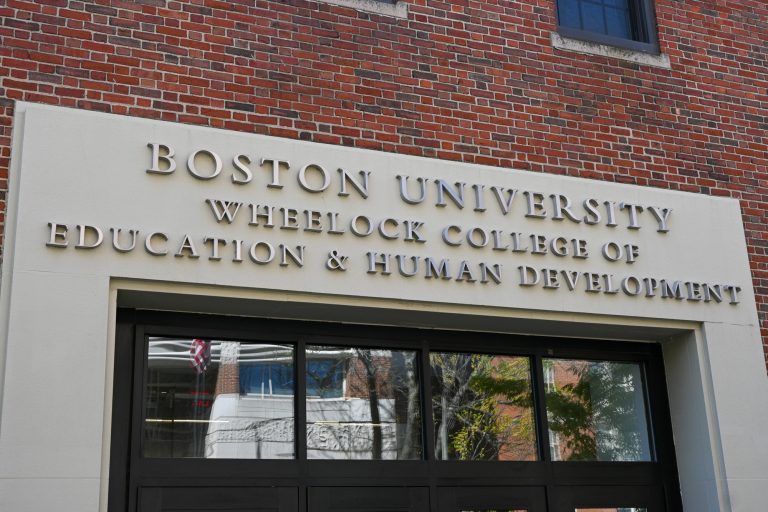
Overview of Boston University’s Latest Workforce Reductions
In a significant move reflective of broader challenges facing American higher education institutions, Boston University has announced the layoffs of 120 employees. Alongside these layoffs, the university is also reducing 120 vacant positions, signaling a strategic response to the ongoing financial strains impacting educational institutions nationwide.
This decision underscores the severity of the current US higher education budget crisis, which has compelled many universities to reevaluate their operational expenses and staffing structures. Boston University’s approach aims to balance financial sustainability with continued commitment to academic excellence, though it inevitably raises concerns about the impacts on staff, faculty, and students.
Factors Contributing to the Budget Shortfall
Declining Enrollment and Revenue Challenges
One of the principal drivers behind such cost-cutting measures is the decline in student enrollment, which directly affects tuition revenue. Post-pandemic recovery has been uneven, with many institutions experiencing lower enrollment numbers, especially among international students and graduate programs, which traditionally contribute significantly to university budgets.
Reduced State Funding and Public Support
While Boston University is a private institution, broader state support reductions for public universities have had ripple effects across the entire higher education sector. Additionally, fluctuations in federal and state aid allocations, as well as donations and endowment performance, contribute to financial instability.
Operational Cost Pressures
Rising operational costs, including facility maintenance, healthcare benefits, technology upgrades, and administrative expenses, further strain budgets. In a bid to preserve core academic programs and research initiatives, universities often resort to workforce modifications.
Implications of Job Cuts and Vacant Position Reductions
The reduction of 120 jobs and vacancies at Boston University illustrates a strategic shift aimed at cost containment and resource reallocation. These measures will likely influence multiple branches, including administrative departments, research centers, and support services.
Impact on Staff and Faculty
- Immediate job losses affect employees’ livelihoods and create a climate of uncertainty within the campus community.
- The reduction in vacant positions may delay new projects or initiatives, potentially impacting faculty research and student services.
- Concerns about overburdened remaining staff and possible reductions in quality of service or academic offerings follow such layoffs.
Long-term Institutional Effects
- Potential reorganization of departments and an emphasis on core academic strengths.
- Increased focus on alternative revenue streams such as online programs, partnerships, and research grants.
- Risk of diminished competitiveness in attracting top faculty and students if staffing cuts become more extensive.
Broader Context: The US Higher Education Crisis
Boston University’s financial cutbacks are part of a larger trend impacting campuses nationwide. The National Association of College and University Business Officers (NACUBO) reports that many institutions are facing similar funding crises, leading to layoffs, program cuts, and tuition hikes.
Key Challenges Facing US Higher Education
– Enrollment Decline: Many universities are struggling to maintain student numbers, particularly in undergraduate programs, due to demographic shifts and economic factors.
– Funding Cuts: State and federal support has stagnated or decreased, forcing reliance on tuition and private donations.
– Operational Cost Growth: Expenses related to infrastructure, technology, and healthcare continue to rise rapidly.
– Student Debt and Affordability: Increasing tuition fees contribute to student debt concerns, affecting enrollment and institutional reputation.
– Competition and Market Dynamics: Universities must innovate to stay attractive amid changing educational preferences and online learning alternatives.
Strategies for Navigating Financial Pressures
Institutions like Boston University are adopting several strategic measures, including:
- Implementing layoffs and reducing vacant positions as immediate cost-saving actions.
- Rethinking academic program offerings to focus on high-demand fields.
- Enhancing online education platforms to attract a broader student base and generate additional revenue.
- Seeking alternative funding sources such as research grants, corporate partnerships, and philanthropy.
- Streamlining administrative functions to reduce overhead without impacting core academic quality.
The Human Element and Future Considerations
While these measures are financially prudent, they also bring human resource challenges. The employees affected by layoffs face uncertainty, and the morale among remaining staff can be strained. Moreover, students might experience changes in services or support, impacting their academic experience.
Long-term solutions require balancing fiscal responsibility with preserving the integrity and accessibility of higher education. Universities may need to rethink their business models, diversify revenue streams, and engage more effectively with alumni, donors, and industry partners.
Conclusion
Boston University’s decision to lay off 120 employees and cut vacant positions exemplifies the tough choices many US universities face amid an ongoing financial crisis. While these steps may provide immediate relief, they also highlight the urgent need for sustainable strategies to ensure that higher education remains accessible, innovative, and resilient in the evolving landscape.
As the sector continues to grapple with economic challenges, the emphasis must remain on safeguarding the core mission of education while adapting to new realities. Stakeholders across the board—administrators, faculty, staff, students, and policymakers—must collaborate to navigate these turbulent times effectively.
Final Thoughts
The landscape of higher education is at a pivotal juncture. Institutions like Boston University are showing that resilience and strategic adaptation are crucial. However, the human impact of these cuts cannot be overlooked, emphasizing the importance of compassionate planning and long-term vision.
For more updated news please keep visiting Hourly Prime News.