

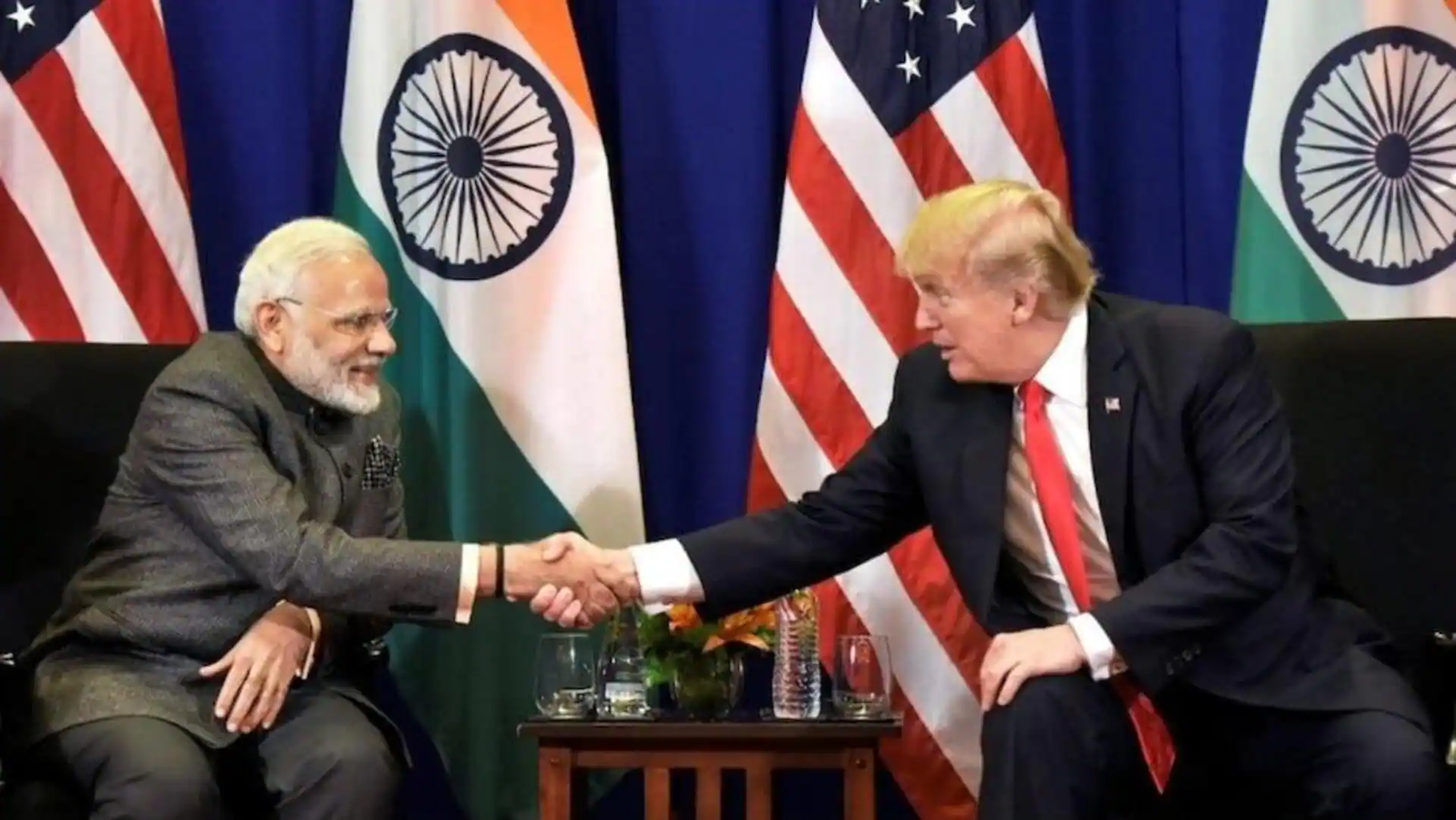
Introduction: A Significant Step Towards Strengthening Bilateral Ties
In an encouraging development that has garnered attention across the global economic landscape, India and the United States are poised to announce a mini trade deal today. This significant move signals a deepening of economic cooperation between the two largest democracies, aiming to enhance bilateral trade, address long-standing issues, and foster a more robust partnership. According to CNBC-Awaaz and reports from Moneycontrol, this announcement is expected to take place in the evening, marking a critical milestone in the evolving India-US relations.
Context and Background of the Trade Negotiations
The India-US trade relationship has historically been marked by periods of cooperation and contention. Over the years, both countries have sought ways to reduce barriers and promote smoother trade exchanges. In recent times, negotiations have been intense, with discussions centered around tariffs, market access, intellectual property rights, e-commerce, and agricultural exports.
Despite some hurdles, the two nations have continually shown interest in deepening ties, especially as global economic shifts prompted them to reconsider trade policies. The current mini trade deal is viewed as a strategic move designed to resolve specific issues that have hampered deeper economic integration, without the extensive negotiations associated with larger trade agreements such as the Comprehensive Economic Partnership Agreement (CEPA).
Details and Expectations of the Mini Trade Deal
Key Aspects Anticipated in the Agreement
- Tariff Reductions and Exemptions: Both countries are expected to agree on certain tariff concessions, particularly in sectors like agriculture, textiles, and technology.
- Market Access Improvements: Enhanced access for Indian exports into the American market, especially in sectors like pharmaceuticals, IT services, and handicrafts.
- Intellectual Property & Digital Trade: Measures to protect IP rights and facilitate cross-border digital transactions, addressing concerns related to innovation and cybersecurity.
- Dispute Resolution Mechanisms: Establishing clear pathways for resolving trade disagreements swiftly and effectively.
- Boycott & Sanctions Restrictions: Agreement to reduce tariffs and restrictions that hinder export and import activities.
Officials and trade experts suggest that the deal, albeit termed ‘mini,’ could unlock new opportunities for both nations. It’s notably aimed at creating a conducive environment for small and medium enterprises (SMEs) and fostering economic growth amid global uncertainties.
Strategic Significance of the Deal
Impacts on Bilateral Relations
The mini trade deal is more than just an economic arrangement; it is a strategic signal of burgeoning camaraderie and cooperation. It reflects mutual recognition of each country’s importance in the global supply chain and their shared interest in countering protectionist tendencies.
For India, this agreement offers a gateway to greater foreign investment and access to advanced technologies, while for the US, it opens markets for American products and strengthens alliances in geopolitically sensitive regions. It also cushions both economies from external shocks, especially considering the unpredictable global trade environment.
Economic and Political Repercussions
Economically, this deal is poised to bolster exports, create jobs, and foster innovation. Politically, it signals to domestic audiences and international stakeholders that India and the US are committed to constructive dialogue and pragmatic solutions.
Analysts believe this mini deal could pave the way for larger agreements in the future, setting a precedent for ongoing negotiations and collaborations across multiple sectors.
Challenges and Criticisms
Despite the positive outlook, some experts warn against overly optimistic expectations. Challenges remain, including:
- Balancing National Interests: Both nations need to manage domestic political pressures and industry-specific concerns.
- Ensuring Long-Term Sustainability: The deal must be comprehensive enough to sustain future negotiations and avoid renegotiations.
- Addressing Non-Tariff Barriers: Persistent non-tariff issues like regulatory hurdles and standards need continuous resolution.
Further, critics express concerns that a mini trade deal may be too limited in scope, potentially missing broader economic objectives. Nonetheless, the consensus remains optimistic about the strategic value of the current arrangement.
Looking Forward: What This Means for the Future
Potential for Expanded Cooperation
If successful, this mini deal could act as a springboard for deeper economic integration. Both countries might expand negotiations to include more sectors and address other thorny issues such as agricultural subsidies, labor standards, and environmental regulations.
Enhancing Global Supply Chains
With global disruptions causing supply chain vulnerabilities, a strengthened India-US trade relationship can contribute to stabilizing and diversifying key supply routes. This has significant implications for industries reliant on timely imports and exports, including pharmaceuticals, electronics, and automotive components.
Political and Geopolitical Implications
Beyond economics, the deal carries geopolitical importance. It aligns with the broader US strategy to bolster alliances in the Indo-Pacific, counterbalance China’s influence, and promote democratic values through economic partnerships. For India, it reaffirms its stature as a key player on the global stage, fostering strategic partnerships beyond traditional allies.
Conclusion: An Historic Milestone Towards Closer Ties
The upcoming announcement of the mini trade deal between India and the US marks a pivotal moment in bilateral relations. While it may be limited in scope, the move signifies mutual trust and a shared commitment to economic cooperation amidst a complex global scenario. As detailed in reports from CNBC-Awaaz and Moneycontrol, this deal has the potential to open new avenues for growth, innovation, and diplomatic collaboration.
As negotiations unfold and implementation begins, stakeholders from businesses, governments, and civil society will be watching closely. The success of this mini trade deal could serve as a model for future agreements, contributing to a resilient and mutually beneficial India-US relationship for years to come.
Overall, the deal underscores a strategic shift towards pragmatic and cooperative engagement, which could reshape the economic landscape of both nations and strengthen their roles as global leaders.
For more updated news please keep visiting Hourly Prime News.