

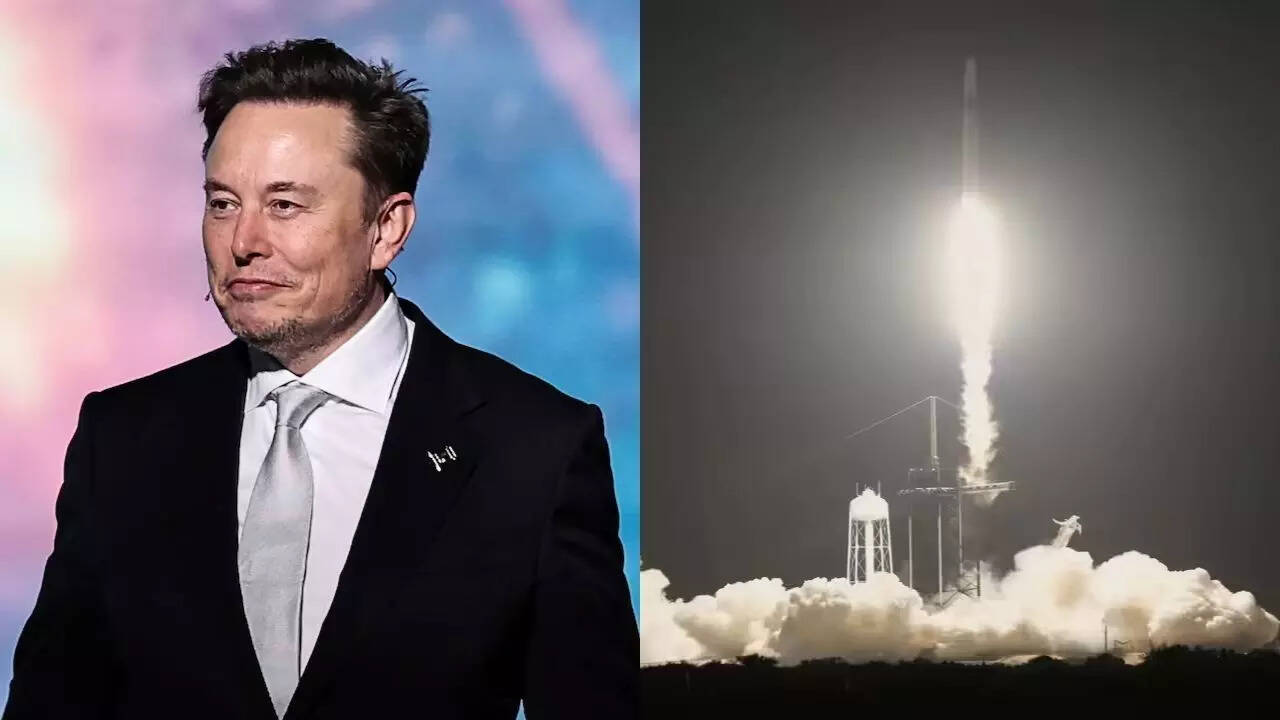
An Unexpected Halt in a Promising Collaboration
The recent announcement of the suspension of the US Air Force’s collaboration with SpaceX has sent ripples throughout the aerospace industry. The project, which was poised to advance strategic military and commercial satellite launches, now faces uncertainty. While official statements cite various operational reasons, speculation points toward underlying concerns about technological integrity, security protocols, and associated strategic risks.
This decision surprises many industry insiders, especially given SpaceX’s reputation as a leading innovator in space technology, driven by Elon Musk’s visionary leadership. Musk’s outspoken nature and emphasis on decentralization and transparency have often clashed with traditional military and governmental caution. This tension appears to have reached a critical point, prompting the suspension of a high-profile project.
Why Did the US Air Force Suspend the Project?
Official Reasons and Underlying Concerns
While the official explanation from the US Air Force emphasizes the need for further assessment of technical readiness and security review, behind the scenes, many believe that broader strategic and trust-related issues are at play. Reports suggest that the decision may be influenced by concerns over:
- Technological Compatibility: The Air Force might question whether SpaceX’s proprietary technology meets the rigorous standards necessary for classified military applications.
- Security and Data Integrity: Privacy and security concerns surrounding SpaceX’s openness about its innovations may create vulnerabilities perceived as unacceptable by defense agencies.
- Strategic Autonomy: Elon Musk’s criticisms of government contracts and his push for more independent enterprise practices could have fostered a sense of distrust.
- Recent Public Statements: Musk’s comments publicly challenging certain government regulations and hints at alternative plans could have cast doubt on the project’s security assurance.
Elon Musk’s Stance and Past Comments
Elon Musk is known for his candid and sometimes controversial remarks. Recently, he hinted at skepticism regarding heavy reliance on governmental agencies for technological development, stating that certain collaborations “will not be easy” or might face insurmountable hurdles. This public skepticism could have indirectly influenced the US Air Force’s decision, prompting a reevaluation of future engagements.
Musk’s comments often reflect his broader philosophy of pushing innovation beyond traditional constraints, which occasionally conflicts with cautious government approaches. For example, he has previously expressed reservations about regulatory bottlenecks, advocating for rapid development, even if it entails certain risks. Such stance may not sit well with conservative defense agencies wary of untested or incomplete technologies.
Implications of the Suspension
Impact on SpaceX and Commercial Space Development
This suspension is a setback for SpaceX’s ambitions to dominate military launches and establish a defense-oriented satellite network. It may:
- Delay Contractual Milestones: Future contracts with the US military might face postponements or cancellations.
- Cause Financial Strain: Project delays could impact revenue and investor confidence, especially as SpaceX invests heavily in Starship and other innovative projects.
- Impede Innovation: Critical testing phases or joint development efforts may slow down, affecting technological advancement.
Broader Industry and Geopolitical Effects
Beyond SpaceX, this move signals caution from defense agencies towards private sector collaborations in critical infrastructure. It underscores the need for:
- Enhanced Security Protocols: Ensuring confidential military technology remains protected amid rapid innovation.
- Trust-Building Measures: Private companies like SpaceX need to address regulatory and security concerns transparently.
- Strategic Reassessments: Governments may review policies related to civilian-military tech collaborations, influencing future partnerships.
The Future of Public-Private Space Collaborations
This incident spotlights the delicate balance between innovation and security. As private companies push boundaries, government agencies are tasked with safeguarding national security interests while fostering technological progress. Elon Musk’s outspoken approach exemplifies the tension—it drives progress but may provoke caution or skepticism from traditional institutions.
Moving forward, both sides must reassess their strategies. For SpaceX, establishing more transparent communication channels and robust security measures could help restore confidence. Meanwhile, the US Air Force may develop clearer policies to integrate private sector innovations without compromising security.
Lessons from Elon Musk’s Approach
Elon Musk’s leadership style—marked by bold statements and a penchant for pushing technological boundaries—has revolutionized the space industry. However, such an unorthodox approach can sometimes lead to friction with conservative entities wary of risks.
His approach underscores several key lessons:
- Transparency is critical: Open discussions about capabilities and limitations build trust.
- Security cannot be compromised: Innovations must adhere to strict confidentiality for military applications.
- Balancing innovation with caution: While disruptive, progress must be balanced with strategic safety concerns.
- Communication matters: Clear, diplomatic messaging from industry leaders can reduce misunderstandings and foster partnership.
Conclusion
The suspension of the SpaceX project by the US Air Force marks a cautionary chapter in the evolving landscape of space technology and defense collaboration. While frustrations and setbacks are part of disruptive innovation, they serve as important reminders of the complex interplay between technological advancement, security, and strategic trust.
As both government agencies and private entities work toward common goals, transparent dialogue and mutual understanding will be critical. Elon Musk’s bold ambitions continue to inspire, but navigating the intricacies of security and regulation will determine the future of civilian-military space endeavors.
Ultimately, this incident emphasizes the need for adaptive strategies, trust-building, and unwavering commitment to security principles, as the space race continues to shift toward collaboration with private innovators like SpaceX.
For more updated news please keep visiting Hourly Prime News.