

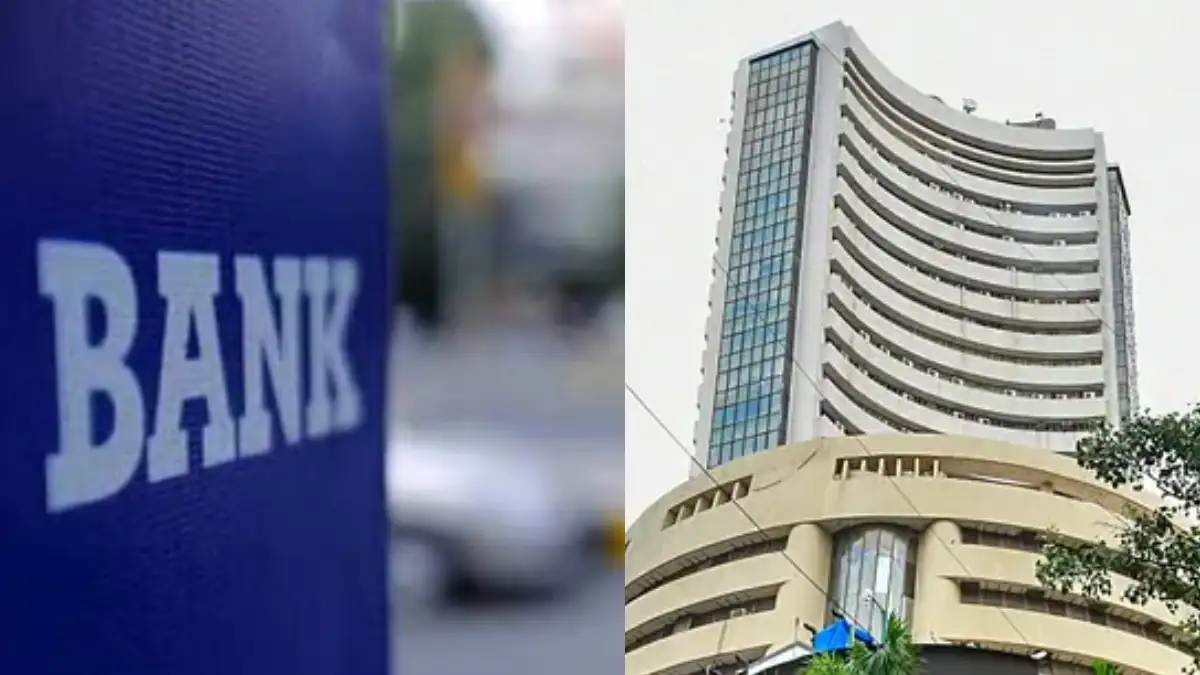
The concept of a ‘Bharat Bandh’ has historically served as a significant form of protest in India, often involving nationwide strikes, demonstrations, and shutdowns. Such protests are usually aimed at voicing public grievances or opposing government policies. With the recent call for a Bharat Bandh, many investors, traders, and business owners are naturally concerned about the operational status of the Indian stock market in the upcoming days. The question on everyone’s mind is: Will the Indian stock market remain open or close tomorrow?
Understanding the Context of Bharat Bandh
A Bharat Bandh is typically organized by various political parties, trade unions, or social groups to make a collective demand or protest against certain policies or issues. The impact of such a nationwide strike extends beyond just the streets and public transport; it influences financial markets, business operations, and everyday economic activities.
In the past, when significant political or social movements have called for strikes, the stock exchanges—namely NSE and BSE—have often temporarily halted trading to ensure the safety of traders and the integrity of the market. These closures are usually announced well in advance, providing investors and market participants time to prepare accordingly.
Official Announcements and Market Operations
As per recent reports from reputable sources like Mint, the decision regarding the opening or closure of the stock market on the day of a Bharat Bandh depends on several factors:
- Government advisories — Authorities may declare a holiday or restrict movement in sensitive areas.
- Security concerns — Large-scale protests can escalate, prompting market regulators to shut down trading temporarily for safety reasons.
- Historical precedents — Past instances where strikes resulted in market closures set a pattern for future responses.
According to the latest updates, the Bombay Stock Exchange (BSE) and National Stock Exchange (NSE) are monitoring the situation closely. If the protest disrupts transportation, communication, or poses security threats, it’s highly likely that the stock exchanges will either amend their trading hours or declare a market holiday.
The Impact of a Market Closure
When the stock market closes unexpectedly due to a Bharat Bandh, it reflects the seriousness of the protest and the government’s concern for maintaining order. Market closure can have multiple implications:
- Investor sentiment — Uncertainty often leads to increased volatility and cautious trading once markets reopen.
- Market liquidity — Halts reduce liquidity temporarily, impacting short-term traders and institutional investors.
- Economic indicators — Prolonged closures may delay the release of key economic data and corporate earnings reports, influencing broader economic assessments.
However, it’s important to note that market closures are generally temporary. Historically, once the situation stabilizes, markets tend to rebound, reflecting investor confidence and economic resilience.
What Should Investors Do?
Given the uncertainty surrounding the Bharat Bandh, investors should adopt a cautious approach:
- Stay informed — Keep track of official announcements from market regulators and government authorities through trusted news sources.
- Avoid unnecessary trades — Until clarity is achieved regarding market operation hours, refraining from making impulsive financial decisions is advisable.
- Assess portfolio risk — Reevaluate exposure to sectors most affected by social disruptions, such as transportation, infrastructure, and manufacturing.
- Prepare for volatility — Expect increased market swings when trading resumes, and plan accordingly to mitigate potential losses.
The Broader Economic Perspective
While protests are a vital part of democratic expression, their impact on economic stability warrants a balanced approach. Authorities aim to minimize disruptions, but large-scale shutdowns can temporarily impair business activities and investor confidence. The government’s handling of the protest, security measures, and communication will play critical roles in determining market responses.
Moreover, in a rapidly globalizing economy, external factors such as international market sentiments, currency fluctuations, and foreign investments can also influence how the Indian stock markets react to domestic protests.
Looking Ahead: Will the Market Open or Close?
As of now, the definitive answer hinges on the nature and scale of the protest call. If security agencies report significant unrest or logistical challenges, the stock exchanges are likely to stay closed or delay trading to safeguard participants. Conversely, if protests are peaceful and manageable, operations might proceed as usual, perhaps with adjusted timings.
In either case, investors should monitor updates from official sources like the NSE and BSE websites, along with credible news outlets like Mint for accurate, timely information.
Summary
- The decision to open or close the stock market during a Bharat Bandh depends on security, operational feasibility, and government advisories.
- Historical trends suggest that market closures in response to protests are not uncommon, especially in cases of significant unrest.
- Investors should stay vigilant, follow official communications, and avoid impulsive trading during such uncertain times.
In conclusion, whether the Indian stock market opens or remains closed tomorrow will depend on the evolving situation on the ground. Maintaining a cautious yet informed approach is essential in navigating days marked by nationwide protests and strikes.
For more updated news please keep visiting Hourly Prime News.