

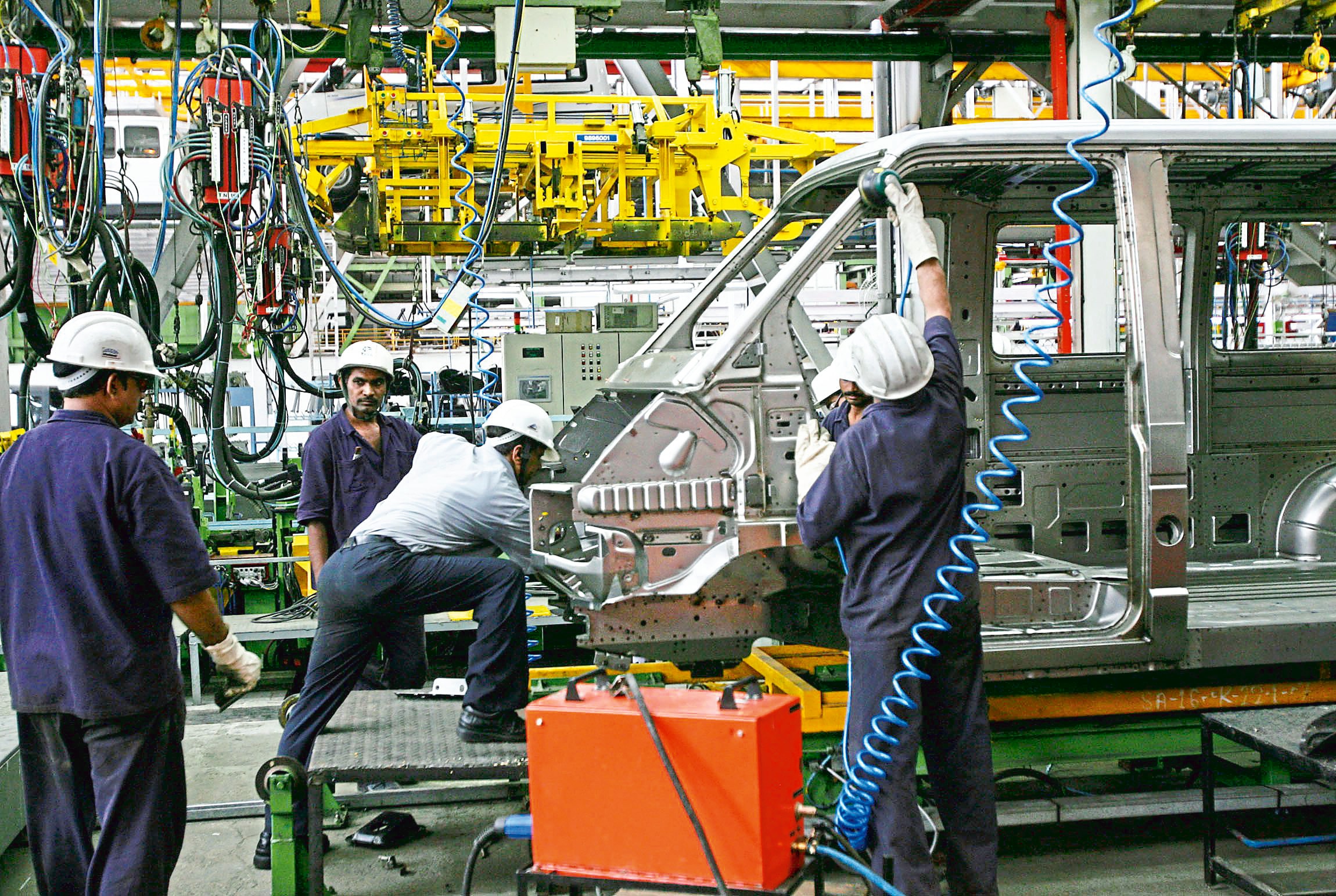
The Indian automotive industry is currently navigating through a period of significant uncertainty and internal contention. At the center of this discord are two critical issues: the eligibility criteria for the upcoming CAFÉ 3 norms and the stalled discussions within the Society of Indian Automobile Manufacturers (SIAM). What was once a unified voice advocating for industry interests has now been fractured as stakeholders express divergent opinions about regulatory compliance and strategic objectives.
The Context of CAFÉ Norms and Their Impact
Fuel efficiency standards, known as Corporate Average Fuel Economy (CAFÉ) norms, have traditionally aimed to balance environmental sustainability with the economic feasibility for automakers. The transition from CAFÉ 2 to CAFÉ 3 norms is expected to impose stricter emission and fuel efficiency targets. However, the eligibility criteria—essentially which vehicles, models, or manufacturers qualify to meet these new standards—have become a point of contention within the industry.
The core debate revolves around the stringency of criteria and which vehicle segments or automakers should be mandated to comply. Some industry players advocate for a phased, flexible approach, citing concerns over technological readiness and cost implications. Others push for rapid adoption to meet environmental goals, risking increased prices and reduced competitiveness. This divergence has led to disagreements on what constitutes a fair and practical implementation timeline, thereby contributing to a fractured industry consensus.
Stakeholder Perspectives
- Large Automakers: Some industry giants favor a gradual transition, emphasizing the need for technological development and infrastructural support. They argue that a hasty shift could harm sales and employment.
- Emerging Manufacturers and Start-ups: These players often support stringent standards, viewing them as opportunities to innovate and differentiate themselves.
- Government Regulators: They aim for aggressive targets to meet environmental commitments under international climate agreements and domestic policies, but their enforcement strategies are caught in internal debates.
This divergence in views has made it difficult for policymakers to finalize eligibility for CAFÉ 3 norms, thus delaying their effective implementation and creating uncertainty across the supply chain.
The SIAM Discussion Stall
The Society of Indian Automobile Manufacturers (SIAM) serves as the collective voice representing automakers in India, engaging in policy dialogues, industry standards, and strategic planning. Recent reports indicate that discussions within SIAM have reached an impasse, primarily due to the lack of a unified stance on key issues, including regulatory compliance, technological adoption, and environmental objectives.
The deadlock has been intensified by conflicting priorities among member companies, with some pushing for more lenient norms to ensure short-term competitiveness and others advocating for robust measures to future-proof the industry. The absence of consensus has stalled critical deliberations, affecting the industry’s ability to negotiate favorable terms with regulators and to chart a coherent path forward.
This paralysis not only hampers strategic decision-making but also impacts the industry’s image, as policymakers and investors look for clear signals of industry direction amidst global sustainability goals.
Implications for the Industry
- Delayed Policy Clarity: Uncertainty around CAFÉ 3 eligibility criteria hampers automaker planning on investments, product launches, and technological upgrades.
- Strained Business Models: Diverging opinions and stalled negotiations increase operational risks, especially for companies contemplating significant R&D expenditure for compliance.
- Environmental Commitments at Risk: The fragmented approach could delay the industry’s ability to meet national and international emission reduction commitments.
- Market Disruptions: Inefficiencies and indecision may lead to increased prices, reduced consumer confidence, and potential loss of market share to foreign competitors with clearer regulatory pathways.
Moving Toward Resolution
Addressing these issues requires a concerted effort from all stakeholders to bridge the divide. Some potential pathways include:
- Facilitated Dialogue: Establishing neutral mediators or industry forums to foster constructive discussions on eligibility criteria and strategic compliance pathways.
- Incremental Implementation: Phasing in CAFÉ 3 norms to allow automakers adequate time for technological adaptation and cost management.
- Collaborative Innovation: Promoting joint R&D initiatives to develop affordable, compliant vehicle technologies that meet future standards.
- Regulatory Flexibility: Incorporating adaptive policies that consider regional development disparities and technological readiness levels.
Only through transparency, cooperation, and shared goals can the Indian auto industry navigate these regulatory hurdles and emerge resilient in the face of global environmental and economic challenges.
Conclusion
The current division within the auto sector over CAFÉ 3 eligibility and the impasse in SIAM discussions reflect deeper issues of strategic misalignment and divergent priorities. While these disagreements pose short-term setbacks, they also present an opportunity for industry players to come together, forge consensus, and adapt proactively to evolving regulatory landscapes. As policymakers and industry stakeholders work toward a common vision, embracing dialogue and innovation will be key to ensuring sustainable growth for India’s automotive future.
For more updated news please keep visiting Hourly Prime News.