

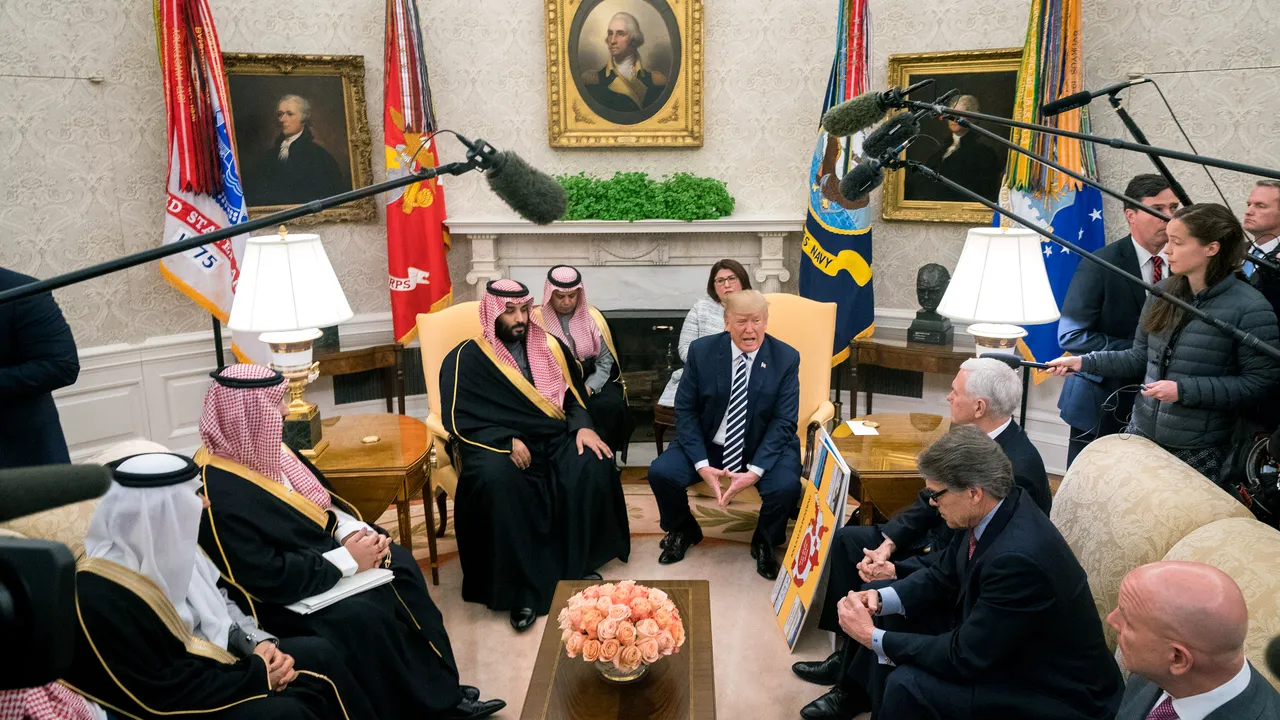
The geopolitical landscape in the Middle East, especially concerning Saudi Arabia’s role on the world stage, has been dramatically reshaped in recent years. The assassination of journalist Jamal Khashoggi in 2018 marked a significant downturn in the Kingdom’s international reputation, sanctioning a period of diplomatic isolation and strained relations with Western nations, particularly the United States. However, recent developments suggest a strategic pivot by Saudi Arabia’s leadership, exemplified by the recent visit of the Saudi crown prince to the White House—the first such trip since the Khashoggi incident. This trip signals a conscious effort by Saudi Arabia to restore its influence, reaffirm alliances, and reassert its position in global politics. The following discussion delves into the significance of this visit and what it portends for future diplomatic and strategic relations.
The Context: From Pariah to Power Player
For years, Saudi Arabia faced international condemnation due to the Khashoggi affair, which tarnished its image as a responsible global actor. The incident provoked widespread calls for accountability and led to a period of diplomatic distancing from Western powers, especially the United States. Yet, notwithstanding the controversy, Saudi Arabia’s strategic importance—thanks to its vast oil reserves, regional influence, and economic ambitions—remained undiminished.
In recent months, many analysts observed a subtle but notable shift in the Kingdom’s foreign policy posture. The crown prince, Mohammed bin Salman (MBS), appears determined to re-engage with the global community, restore diplomatic ties, and position Saudi Arabia as a key peace broker rather than a pariah state. His recent trip to the US marks a watershed moment, signaling a new phase where economic, security, and geopolitical interests align with a desire to re-establish influence.
The Significance of the White House Visit
Restoring Diplomatic Clout
The trip underscores Saudi Arabia’s desire to repair and deepen its relationships with the United States. While past years saw strained ties, this visit demonstrates MBS’s recognition that diplomatic engagement remains central to Saudi Arabia’s strategic objectives. The trip was carefully orchestrated to project strength, stability, and diplomacy, aimed at reinforcing Saudi Arabia’s role as a pivotal regional leader.
Economic and Strategic Agenda
- Security and Defense: The discussion of security guarantees and military cooperation remains a focal point, especially amid regional conflicts and the evolving cybersecurity landscape. The Saudis keenly seek US support in missile defense, counter-terrorism, and regional stability.
- Artificial Intelligence and Nuclear Concerns: The visit highlighted advanced technology cooperation, including AI development and potential nuclear energy collaborations—further evidence of Saudi Arabia’s ambitions to diversify its economy and technological capabilities.
- Energy and Oil Markets: Although the global energy landscape is shifting towards renewables, oil remains vital for both economies. The Saudis aim to ensure market stability and secure their position as the dominant supplier.
Reclaiming the Global Stage
The trip’s narrative paints MBS as a recalibrated statesman, willing to engage openly on the world stage. The media coverage positioning him as a “peace broker” and a “reclaimed leader” signals a strategic relabeling aimed at overcoming the tarnished reputation from the Khashoggi episode. This image-building campaign underscores Saudi Arabia’s intent to portray stability, progress, and diplomacy—an essential move for a nation eager to reshape its international image.
Implications for U.S.-Saudi Relations
The trip has sparked diverse reactions within international circles, especially regarding the future of U.S.-Saudi relations. Some analysts believe the visit signifies an alignment of interests, with the US seeking stable energy partnerships and regional security cooperation. Others warn that the relationship remains complex and that underlying issues—such as human rights concerns—persist.
Experts highlight that:
- The U.S. should approach with a balanced perspective, avoiding one-sided security guarantees that could entrench Saudi autonomy or overlook problematic aspects of its governance.
- The partnership’s future hinges on mutual benefits rather than dependence, emphasizing shared interests in regional stability, economic growth, and technological innovation.
Indeed, the visit marks a turning point, but the nature of ongoing relations will depend on continued diplomatic engagement and mutual commitments to transparency and progress.
Regional and Global Reactions
Reactions from regional neighbors and global powers varied post-visit. While some view it as a pragmatic move by Saudi Arabia—prioritizing regional stability and economic growth—others remain cautious about MBS’s consolidating power and the implications for human rights and regional conflicts.
The visit has also been seen in the context of shifting alliances, especially in relation to Iran, Yemen, and broader Middle Eastern geopolitics. MBS’s outreach to the West signals a desire to strengthen alliances that can provide both diplomatic leverage and strategic security assurances.
Furthermore, international organizations and advocacy groups continue to scrutinize the Kingdom’s internal policies. However, the tangible diplomatic gains from this high-profile visit suggest that Saudi Arabia is now more focused on shaping perceptions and fostering tangible partnerships globally.
Looking Ahead: Future Prospects
This White House trip is undoubtedly a strategic step in Saudi Arabia’s journey towards modernizing its image and influence. Moving forward, several key themes are likely to define the relationship:
- Technological Collaboration: Expansion in AI, cybersecurity, and nuclear energy sectors to diversify the economy and modernize infrastructure.
- Regional Diplomacy: Continued efforts to mediate conflicts and foster peace in the Middle East, positioning Saudi Arabia as a regional leader capable of balancing alliances with both Western powers and neighboring states.
- Human Rights and Governance: While diplomatic overtures are critical, ongoing international pressures around human rights issues will influence the depth and nature of the partnership.
In conclusion, the Saudi crown prince’s first White House visit since the Khashoggi crisis signifies a moment of recalibration and renewed influence. While challenges remain, this diplomatic reset paves the way for a more engaged Saudi Arabia—one that seeks to reassert its leadership on the global stage through strategic diplomacy, economic modernization, and technological advancement.
Final Remarks
The evolving narrative underscores the shifting dynamics of global diplomacy, where strategic interests often take precedence over past controversies. As Saudi Arabia endeavors to forge stronger ties with the US, it also signals a broader ambition to redefine its identity—from a nation embroiled in controversy to a proactive global leader.
For more updated news please keep visiting Hourly Prime News.