

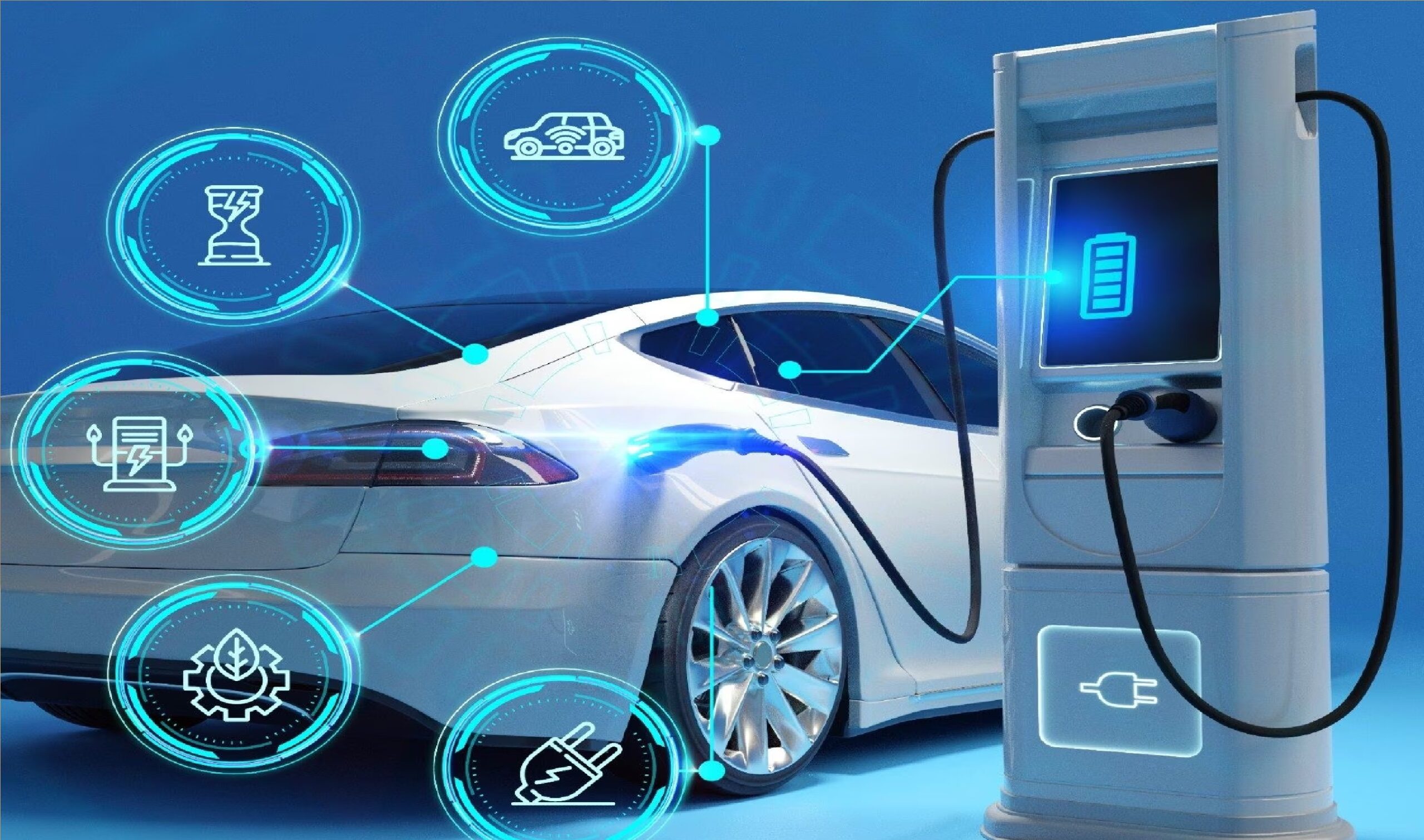
The Indian automobile sector is experiencing an unprecedented transformation that is set to redefine the future of mobility in the country. The recent Supreme Court (SC) directive to phase out traditional luxury vehicles symbolizes a significant policy shift aimed at promoting sustainable transportation. This bold move not only signals India’s commitment to environmental preservation but also encourages automakers and consumers to embrace cleaner, smarter alternatives—primarily Electric Vehicles (EVs). As the automobile industry grapples with this sweeping change, a new dawn emerges where EVs dominate the roads, signaling a greener and more sustainable future for India.
The Supreme Court’s Revolutionary Decision
The Rationale Behind the Ban
The decision by the Supreme Court to impose a phased ban on traditional luxury vehicles was driven by multiple concerns related to environmental pollution, climate change, and urban air quality. Luxury vehicles, often powered by internal combustion engines, contribute significantly to vehicular emissions—a primary source of harmful pollutants in Indian cities. Recognizing the urgent need to curb pollution levels, the SC’s directive aims to accelerate India’s shift towards environmentally friendly mobility solutions.
The key objectives of this ban include:
- Reducing vehicular emissions to improve air quality
- Supporting India’s commitments under international climate agreements
- Promoting innovation in cleaner transportation technologies
- Encouraging consumers to adopt electric mobility
Impact on the Automotive Sector
The phased ban is poised to disrupt the traditional luxury vehicle segment profoundly. Automakers who have historically focused on high-end internal combustion engine vehicles are now compelled to rethink their strategies. This policy shift acts as a catalyst for innovation, compelling the industry to pivot swiftly toward electric and hybrid solutions.
Driving Factors Behind the Shift to Electric Vehicles
Environmental Concerns and Government Initiatives
India’s government has long recognized the environmental threat posed by conventional vehicles. Initiatives like the Faster Adoption and Manufacturing of Hybrid and Electric Vehicles (FAME) scheme underscore the nation’s commitment to EV adoption. These policies provide significant incentives, subsidies, and infrastructure support to make EVs more accessible to the Indian populace.
Economic Benefits and Industrial Growth
Transitioning to EVs presents economic opportunities as well. The development of local EV manufacturing plants, battery production, and charging infrastructure has become a priority. India aims to become a global hub for electric mobility, creating jobs and attracting investments in futuristic automotive technology.
Indian Initiatives and Industry Response
Innovative Strategies for Auto Manufacturers
Leading Indian and international automakers are rapidly adapting to the new regulatory landscape. Many are unveiling electric vehicle models tailored for the Indian market, focusing on affordability, endurance, and performance. Some key strategies include:
- Investment in domestic EV battery manufacturing
- Development of affordable electric variants of luxury vehicles
- Creating comprehensive charging infrastructure networks
- Forming strategic partnerships with tech firms for smart mobility solutions
Emergence of Electric Luxury Vehicles
As traditional luxury vehicle sales decline in the wake of the ban, electric luxury vehicles are stepping into the spotlight. These vehicles combine high-end features with eco-friendly technology, appealing to affluent consumers who wish to maintain status while contributing to environmental causes. International brands like Tesla, Mercedes-Benz, and BMW are expanding their electric offerings, meanwhile Indian automakers such as Tata and Mahindra are accelerating their EV development programs.
Implications for Consumers and Market Dynamics
Consumer Acceptance and Changing Preferences
Consumer preferences are evolving rapidly. Young, environmentally conscious buyers are increasingly inclined to choose electric vehicles, driven by both eco-awareness and the allure of advanced technology. The ban is expected to accelerate this adoption, making EVs more mainstream.
Market Growth and Investment Opportunities
With the phased curtailment of traditional luxury vehicles, the EV market in India is poised for exponential growth. Investors are eyeing opportunities in EV manufacturing, charging infrastructure, and technology innovation sectors. The government’s push and industry commitments are creating a fertile environment for startups and established firms alike.
The Road Ahead: Challenges and Opportunities
Challenges to Overcome
Despite optimistic projections, several challenges remain, including:
- Building a robust charging infrastructure across urban and rural areas
- Reducing the costs of EV technology to make vehicles more affordable
- Enhancing battery life and vehicle range to meet consumer expectations
- Addressing the recyclability and disposal of EV batteries
Opportunities for Sustainable Growth
This decisive move by the SC offers a unique opportunity for India to leapfrog into a sustainable transportation era. It encourages innovation, creates new business avenues, and aligns the automotive sector with global environmental standards. As EV adoption gains momentum, India can become a global leader in clean mobility solutions, setting an example for other nations to follow.
Conclusion: A Green Revolution on the Horizon
The phased ban on luxury traditional vehicles by the Supreme Court marks a turning point in India’s automotive narrative. This bold policy not only aims to safeguard the environment but also paves the way for a proliferation of electric vehicles across the country. While challenges remain, the collective efforts of policymakers, industry leaders, and consumers will be crucial in realizing a sustainable, innovative, and prosperous automotive future for India.
In summary:
- The SC’s ban accelerates India’s transition toward electric mobility
- Major automakers are investing heavily in EV technology and infrastructure
- Electric luxury vehicles are emerging as the new symbol of status and sustainability
- Consumer awareness and government incentives are propelling EV adoption
- Potential for India to become a global leader in clean automotive innovation
As the wheels of change turn faster, India stands at the cusp of a green revolution that promises a cleaner environment, a booming economy, and a pioneering role in the future of mobility.
For more updated news please keep visiting Hourly Prime News.