

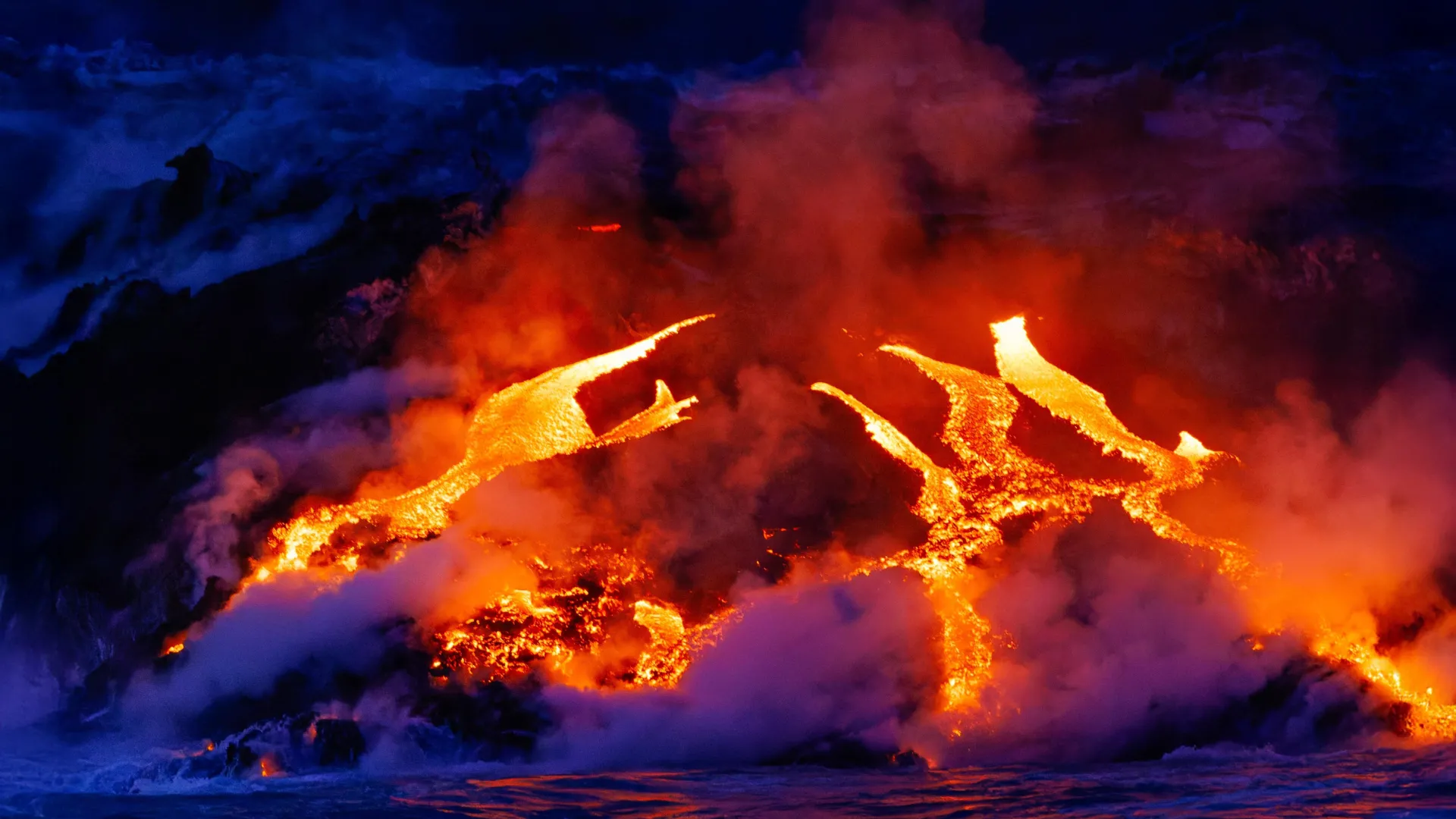
Our planet Earth is far from being a static entity; it is a dynamic, constantly evolving world where the crust is in perpetual motion. Recent scientific studies have shed light on a fascinating and somewhat alarming process: the continents themselves are slowly peeling away from below. This ongoing geological phenomenon has significant implications, including the fueling of oceanic volcanoes and the occurrence of underwater earthquakes. Understanding these processes is crucial for comprehending Earth’s seismic activity and volcanic behavior, especially in the oceanic regions where much of this activity is concentrated.
The Phenomenon of Continental Peeling
According to recent reports from ScienceDaily, this process involves the Earth’s crust gradually “peeling” away from the underlying mantle. Think of it as a slow, tectonic peeling where the Earth’s solid outer layer is being stripped or pulled apart from below, revealing a dynamic and often volatile interior. This peeling effect influences the formation and movement of magma, which subsequently feeds oceanic volcanoes, leading to eruptions that can be both spectacular and destructive.
The Mechanics Behind the Peeling and Its Seismic Consequences
The Earth’s crust is composed of large tectonic plates that are constantly in motion. When these plates interact, they create a range of geological phenomena. The peeling process occurs mainly in areas where mantle currents exert pressure underneath the crust, causing it to stretch and detach from the underlying layers. This activity can generate seismic events, including earthquakes that are often concentrated beneath ocean floors.
As the crust peels away, it creates opening spaces for magma to ascend, which results in volcanic eruptions underwater. These ocean volcanoes, also known as submarine volcanoes, are abundant and account for a significant portion of Earth’s volcanic activity. The eruption of magma from the mantle through these fissures can alter oceanic landscapes, introduce new landforms, and even influence global sea levels over geological timescales.
The Role of Mantle Currents in Feeding Oceanic Volcanoes
Further scientific insights, as detailed in Moneycontrol, these mantle currents serve as vital pathways that feed and sustain volcanic islands remotely.
The mantle is a semi-fluid layer beneath the Earth’s crust that contains convection currents. These currents transport heat and material from deep within Earth toward the surface. When mantle currents intensify or shift, they can cause increased magma upwelling, which manifests as volcanic activity on ocean floors. This process often occurs far from the tectonic plate boundaries traditionally associated with volcanic activity, making submarine volcanoes a widespread yet elusive subject of study.
How Mantle Currents Influence Earthquakes and Volcano Formation
- Feeding Volcanoes: Mantle currents act as conduits for magma, channeling it upwards and allowing for the formation of volcanic islands even in isolated oceanic regions.
- Triggering Seismic Events: Fluctuations in mantle convection can induce stress within the crust, leading to earthquakes, often beneath oceanic crusts, contributing to the planet’s seismic noise.
- Creating New Landforms: When magma breaches the surface, it cools and solidifies, gradually forming new seamounts and islands, which continue to evolve over geological timescales.
The Remnants of Lost Continents and Their Significance
Scientists have long debated the existence and remnants of ancient or lost continents that have been submerged or broken apart over Earth’s history. Recently, groundbreaking research published in 404 Media,
indicates that remnants of lost continents are more widespread than previously thought. These fragments are scattered across the oceans, often hidden beneath layers of sediments and volcanic deposits. The study of these remnants helps scientists reconstruct Earth’s geological past, revealing how the continents have drifted, collided, and broken apart, contributing to the current configuration of Earth’s landmasses.
The Global Impact of Oceanic Volcanoes and Seismic Activity
The continuous process of peeling and mantle activity is not just a remote geological phenomenon; it has tangible effects on Earth’s environment and human life:
- Volcanic Eruptions: Undersea eruptions can create new islands, such as the famous Surtsey Island near Iceland. These new landforms can sometimes alter ocean currents and marine ecosystems.
- Seismic Risks: Earthquakes generated by crustal stress release can cause tsunamis, which pose threats to coastal populations. Understanding the linkage between mantle currents and seismic activity is vital for disaster preparedness.
- Climate Influence: Large volcanic eruptions can inject ash and sulfur dioxide into the atmosphere, temporarily affecting global climate and weather patterns.
Conclusion: A Continually Changing Planet
The evidence that Earth’s continents are peeling away from beneath the surface and fueling ocean volcanoes underscores the dynamic, ever-changing nature of our planet. This process, driven by mantle currents and tectonic movements, shapes the underwater landscape, creates new landforms, and triggers seismic activity that can impact ecosystems and human societies alike. As science advances, our understanding of these deep Earth processes will improve, enabling better prediction and mitigation of geological hazards.
Recognizing that Earth’s surface is in a constant state of flux offers a humbling perspective on our planet’s resilience and fragility. It also highlights the importance of continued exploration and research into the unseen depths of Earth’s mantle and crust, which remain some of the least understood aspects of our planet.
For more updated news please keep visiting Hourly Prime News.