

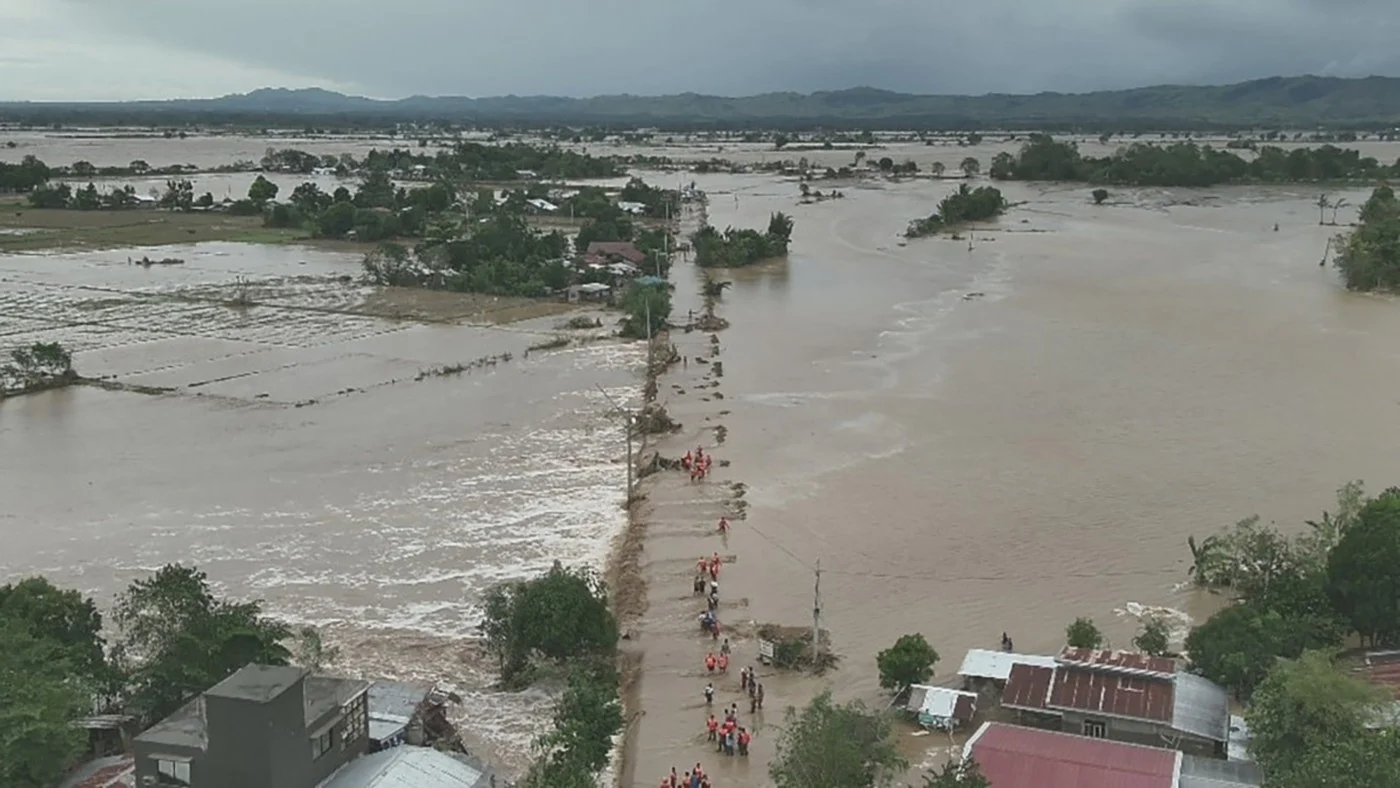
As Typhoon Fung-wong approaches Taiwan with increasing intensity, the island nation is taking swift and decisive action to safeguard its residents and minimize potential damages. With weather forecasts indicating heavy rainfall, strong winds, and possible flooding, authorities have already initiated evacuations and closed schools and offices in vulnerable areas. This proactive approach underscores Taiwan’s resilience and preparedness in the face of natural calamities.
The Scale of Evacuations and Precautionary Measures
According to reports from Reuters, approximately 3,000 residents have been evacuated from key districts at risk of flooding and landslides. These evacuations reflect the seriousness with which Taiwan is treating the impending storm, especially given the unpredictable nature of Typhoon Fung-wong. Authorities have established emergency shelters to accommodate those displaced and are continuously monitoring the storm’s trajectory.
Why Evacuations Were Necessary
- High wind speeds and heavy rainfall: As the storm intensifies, winds are projected to reach dangerous levels, which can cause structural damages and debris hazards.
- Flooding risks: Low-lying areas and regions near rivers are particularly vulnerable to flash floods, prompting evacuations in these zones.
- Landslide threats: Mountainous regions face increased risks of landslides due to saturated soil, making evacuations crucial for safety.
Educational and Business Sector Responses
In anticipation of the storm, schools and offices across Taiwan have been temporarily closed. As reported by Tribune India, heavy rains and severe weather conditions have prompted authorities to enact precautionary shutdowns to protect students and employees alike. These closures are not only about safety but also aimed at reducing potential casualties and ensuring that emergency services can operate unhindered.
Impact on Daily Life
- School closures: Schools are suspending classes, and many students are remaining at home under parental supervision.
- Business interruptions: Offices and shops in affected regions are closed, contributing to temporary economic slowdown but prioritizing safety.
- Public transport disruptions: Transit services may experience delays or cancellations in storm-affected areas, enhancing the need for residents to stay indoors.
Storm Path and Anticipated Trajectory
Forecasts predict that Typhoon Fung-wong will skirt Taiwan’s northern and eastern coasts before heading towards the South China Sea. The Hong Kong Free Press HKFP reports that Fung-wong is a **severe tropical storm**, with the possibility of making an early-week impact on Hong Kong as well. Residents in the region are advised to remain vigilant, as the storm’s path remains uncertain and can change rapidly depending on atmospheric conditions.
Authorities in Hong Kong are closely monitoring the storm and preparing to issue warnings or activate contingency plans if needed. The concern remains that, even if the storm skims the region, its strong winds and rainfall could have local impacts, such as flash floods and waterlogging.
Localized Evacuations and Preparations in Mainland China
In areas like Guangfu Township in Taiwan, officials have closed schools and offices and issued evacuation orders to residents in vulnerable zones. Focus Taiwan highlights that local authorities are working diligently to ensure residents are moved to safe locations before the storm makes landfall or passes through nearby regions.
Similarly, in parts of mainland China near Taiwan and Hong Kong, authorities are on high alert due to Fung-wong’s proximity. Emergency management teams are coordinating efforts to evacuate residents from at-risk areas and deploy resources for storm response and relief.
Visual Impact and Community Response
Images circulating online showcase the severity of Typhoon Fung-wong’s approach. For instance, Reuters Connect features a striking photograph of a woman holding an umbrella amidst strong winds and pouring rain as the storm nears Taipei. Such images exemplify the resilience of residents facing the storm’s fury, yet also serve as stark reminders of the importance of preparedness.
Communities are rallying around safety measures, with local volunteers assisting in evacuations and distributing supplies in shelters. The collective effort demonstrates Taiwan’s communal spirit and readiness to confront natural disasters.
International Preparedness and Forecasting
Meteorological agencies worldwide are collaborating to track Fung-wong’s progression and provide timely updates. Systems in place help forecast storm paths, wind speeds, and rainfall levels to inform evacuation plans and emergency responses. International cooperation ensures that regions likely to be affected are well-informed and prepared, reducing the risk of casualties.
As the storm approaches, residents are urged to heed official advice, secure their properties, and stay updated through reliable news sources. While immediate dangers are being addressed, the storm’s impact could extend beyond Taiwan, requiring ongoing vigilance and international support.
Conclusion: The Path Towards Safety Amidst the Storm
Typhoon Fung-wong exemplifies the power of nature and the importance of proactive disaster management. Taiwan’s swift evacuation of 3,000 residents, closure of schools and offices, and ongoing monitoring efforts showcase a dedicated approach to minimizing harm and protecting lives. While uncertainty remains regarding the storm’s exact trajectory, the comprehensive preparedness displayed by authorities and communities offers reassurance that they are well-equipped to face the challenges ahead.
As Taiwan braces itself for Typhoon Fung-wong, the global community watches with concern and hope for swift resolution and minimal impact. The incident underscores the continuous need for robust emergency response systems and community resilience in the face of natural disasters.
For more updated news please keep visiting Hourly Prime News.